
Health
Ontario Medical Labs Urgently Need Staff and Educators to Expand Capacity

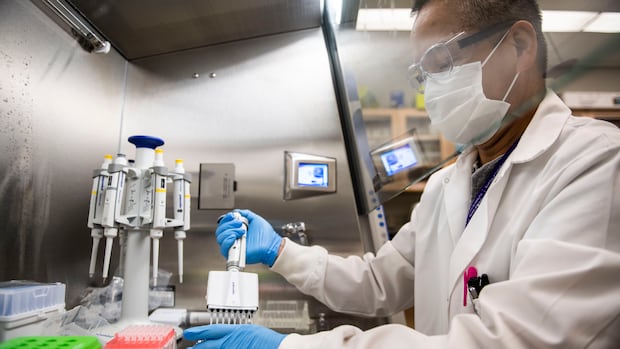
Medical laboratories in Ontario are grappling with a severe staffing crisis, prompting the Medical Laboratory Professionals Association of Ontario (MLPAO) to urge the provincial government to increase student placement capacity by funding necessary training positions. According to a recent survey conducted by the MLPAO, approximately 68 percent of medical labs in Ontario report shortages of medical lab technologists (MLTs). These professionals play a critical role in analyzing medical samples, such as blood tests and nasal swabs, which are essential for diagnosing illnesses and managing public health.
The ongoing staffing shortages are leading to significant delays in test result processing, which can hinder timely diagnoses for conditions like cancer and sexually transmitted infections. The MLPAO’s findings suggest that the situation has worsened, with many patients facing longer wait times to receive crucial health information.
Michelle Hoad, CEO of the MLPAO, highlighted that students pursuing MLT programs must complete clinical placements as part of their education. Unfortunately, many labs are unable to accommodate these students due to staffing constraints. Hoad explained that the backlog is not a reflection of a lack of interest in the profession, but rather a “bottleneck effect” caused by insufficient staffing. “When a lab is short-staffed, they’re not able to take a student from that program,” she noted.
The MLPAO is requesting $6 million over three years to support the hiring of educators in medical labs. This funding would enable labs to train more students and alleviate the current staff shortages. In 2024, the provincial government announced the creation of 700 new spots in MLT programs to help produce more qualified technologists. Ema Popovic, spokesperson for Health Minister Sylvia Jones, stated that the government also expanded the Ontario Learn and Stay Grant to include MLT students, aiming to encourage graduates to remain in Ontario by covering tuition and other educational expenses.
Despite these initiatives, Hoad expressed concern that the current measures are inadequate. She remarked that many lab technicians are working double shifts and foregoing vacations to maintain workflow. “It’s a very giving group,” she said. “But that being said, we need to make sure that we don’t take advantage of them and we make sure that they’re properly staffed.”
The MLPAO’s survey revealed that 37 percent of labs in Ontario that do not currently accept students for clinical placements indicated they would be willing to do so if the government provided funding for a trainer. This highlights a significant opportunity for the province to expand its medical laboratory workforce and improve health care delivery.
As the demand for testing continues to rise, particularly in light of recent public health challenges, addressing the staffing shortages in Ontario’s medical labs has never been more critical. The MLPAO’s call for action underscores the urgent need for investment in the healthcare workforce to ensure that patients receive timely and accurate diagnoses.

iShares Core Dividend Growth ETF Faces Challenges; Alternatives Suggested

Discover 7 Scenic Hikes Near Calgary to Explore This Spring

Scientists Uncover Life’s Building Blocks in Ryugu Asteroid Samples

Windsor-Essex Unveils New Action Plan to Combat Substance Use

Boost Your Business Visibility with These Local SEO Strategies

East Algoma OPP Urges Public to Limit Travel Amid Hazardous Conditions

Universities Must Rethink Failure to Support Student Growth

Canada Invests $6.4 Million to Boost Green Shipping Corridors

Stony Plain Secures 14th Consecutive Award for Financial Reporting Excellence

Rhythm Pharmaceuticals Reports Strong Q4 Growth Ahead of FDA Decision

Brandon University’s Failed $5 Million Project Sparks Oversight Review

Microsoft Confirms U.S. Law Overrules Canadian Data Sovereignty

Discover Aritzia’s Latest Fashion Trends: A Comprehensive Review

Winnipeg Celebrates Culinary Creativity During Le Burger Week 2025

New SĆIȺNEW̱ SṮEȽIṮḴEȽ Elementary Opens in Langford for 2025/2026 Year

EngineAI Unveils T800 Humanoid Robot, Setting New Industry Standards

Montreal’s Groupe Marcelle Leads Canadian Cosmetic Industry Growth

Tech Innovator Amandipp Singh Transforms Hiring for Disabled

Dragon Ball: Sparking! Zero Launching on Switch and Switch 2 This November

Digg Relaunches as Founders Kevin Rose and Alexis Ohanian Join Forces
-
 Education7 months ago
Brandon University’s Failed $5 Million Project Sparks Oversight Review
-
 Science8 months ago
Microsoft Confirms U.S. Law Overrules Canadian Data Sovereignty
-
 Lifestyle4 months ago
Discover Aritzia’s Latest Fashion Trends: A Comprehensive Review
-
 Lifestyle8 months ago
Winnipeg Celebrates Culinary Creativity During Le Burger Week 2025
-
 Education8 months ago
New SĆIȺNEW̱ SṮEȽIṮḴEȽ Elementary Opens in Langford for 2025/2026 Year
-
 Business4 months ago
EngineAI Unveils T800 Humanoid Robot, Setting New Industry Standards
-
 Health8 months ago
Montreal’s Groupe Marcelle Leads Canadian Cosmetic Industry Growth
-
 Science8 months ago
Tech Innovator Amandipp Singh Transforms Hiring for Disabled
-
 Technology8 months ago
Dragon Ball: Sparking! Zero Launching on Switch and Switch 2 This November
-
 Technology3 months ago
Digg Relaunches as Founders Kevin Rose and Alexis Ohanian Join Forces
-

 Lifestyle4 weeks ago
Canmore’s Le Fournil Bakery to Close After 14 Successful Years
-
 Top Stories4 months ago
Canadiens Eye Elias Pettersson: What It Would Cost to Acquire Him
-

 Health7 months ago
Eganville Leader to Close in 2026 After 123 Years of Reporting
-

 Education8 months ago
Red River College Launches New Programs to Address Industry Needs
-

 Top Stories4 months ago
Nicol Brothers Shine as Wheat Kings Dominate U18 AAA Hockey
-

 Business8 months ago
BNA Brewing to Open New Bowling Alley in Downtown Penticton
-

 Business7 months ago
Rocket Lab Reports Strong Q2 2025 Revenue Growth and Future Plans
-

 Lifestyle5 months ago
Edmonton’s Beloved Evolution Wonderlounge Closes, New Era Begins
-

 Education6 months ago
Alberta Petition Aims to Redirect Funds from Private to Public Schools
-

 Education8 months ago
Alberta Teachers’ Strike: Potential Impacts on Students and Families
-

 Technology8 months ago
Google Pixel 10 Pro Fold Specs Unveiled Ahead of Launch
-

 Technology6 months ago
Discord Faces Serious Security Breach Affecting Millions
-

 Business8 months ago
Iconic Golden Lion Restaurant in South Surrey to Close After 50 Years
-

 Lifestyle6 months ago
Canadian Author Secures Funding to Write Book Without Financial Strain