
Health
Mark Carney Elevates “Resilience” as Key Government Theme

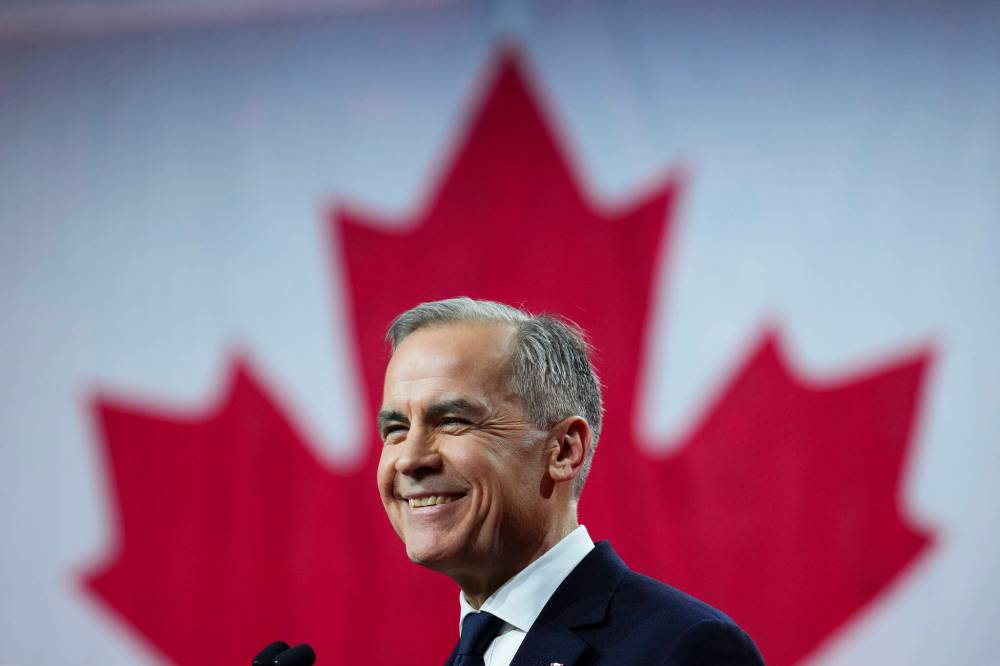
Prime Minister Mark Carney has identified “resilience” as a central theme of his government’s agenda, shaping his vision for Canada’s future. By prioritizing this concept, Carney aims to navigate the nation through economic challenges and enhance its capacity to adapt to global shifts. This focus marks a significant departure from previous governmental approaches and sets a clear direction for policy-making.
Carney frequently uses “resilience” in various contexts: as a goal for long-term development, a process for evolving from reliance to resilience, and a measure of economic stability. In his inaugural budget, the term appears over **dozens** of times, including a dedicated chapter titled “Shifting from Reliance to Resilience.” Here, Carney outlines plans to allocate **$16 billion** over the next five years to initiatives that aim to bolster this resilience.
In contrast, the term was mentioned only **nine** times in the last budget presented by former Prime Minister Justin Trudeau, often in a defensive context describing the economy’s state. Carney’s administration, however, elevates resilience to a national imperative, emphasizing its importance in shaping Canada’s future.
Defining Resilience in Canadian Context
The significance of “resilience” can be traced back to its Latin roots, meaning “to bounce back.” Over the centuries, it has evolved into a term used across various fields, from psychology to climate science, often representing the ability to recover from adversity. Carney’s emphasis on resilience comes as Canada faces ongoing economic uncertainties, particularly following the impacts of the COVID-19 pandemic.
The budget states that a core mission of the new government is to help households and businesses emerge stronger from global economic shifts. This involves investing in the economy to catalyze growth and build long-term resilience. The appeal of resilience lies in its positive connotation, making it a favorable term for policymakers. It suggests adaptability and strength, qualities that resonate well with the public.
Yet, the term’s ambiguity raises important questions about its practical implications. What does a “resilient Canada” truly entail? Will it merely mean overcoming current challenges, or does it suggest a transformative approach to future economic shocks? The government’s definition of resilience is critical as it attempts to navigate these complex issues.
Implications for Policy and Economic Strategy
The Carney administration is already implementing criteria that prioritize resilience in national interests. For instance, the Major Projects Office has established guidelines to ensure that projects contribute to Canada’s autonomy, resilience, and security. Trade initiatives aimed at sectors affected by tariffs from the United States have been framed as efforts to develop a more self-sufficient and resilient economy, reducing dependence on a single trading partner.
This strategic focus positions resilience not just as a desirable attribute but as a foundational element of the government’s policy framework. Nonetheless, the concept demands a more nuanced explanation from Carney. A resilient Canada must involve not only surviving economic adversity but evolving in response to it.
The budget does offer some clarity by defining “domestic resilience” as securing critical sectors and supply chains. However, this leaves many questions unanswered about the overarching vision for Canada’s economy. As the country continues to face disruptions, the need for a clear economic model that balances immediate needs with long-term sustainability becomes increasingly urgent.
In reflecting on past experiences, notably during the pandemic, Canada has demonstrated the resilience of its public institutions. Yet, the response has often returned to a status quo rather than embracing an opportunity for systemic improvement. Carney’s administration must ensure that resilience translates into meaningful change rather than a temporary fix to current challenges.
As Canada progresses through these turbulent times, the concept of resilience must evolve into a comprehensive strategy that prepares the nation for future uncertainties. The ongoing dialogue around resilience will be essential as Carney’s government seeks to redefine its priorities and objectives in the face of shifting global dynamics.
In summary, the focus on resilience encapsulates a pivotal moment for Canada, inviting critical evaluation of what it means to be resilient in an ever-changing world. The path forward requires not only a commitment to weathering challenges but also a vision for creating a stronger, more adaptable Canada.

iShares Core Dividend Growth ETF Faces Challenges; Alternatives Suggested

Discover 7 Scenic Hikes Near Calgary to Explore This Spring

Scientists Uncover Life’s Building Blocks in Ryugu Asteroid Samples

Windsor-Essex Unveils New Action Plan to Combat Substance Use

Boost Your Business Visibility with These Local SEO Strategies

East Algoma OPP Urges Public to Limit Travel Amid Hazardous Conditions

Universities Must Rethink Failure to Support Student Growth

Canada Invests $6.4 Million to Boost Green Shipping Corridors

Stony Plain Secures 14th Consecutive Award for Financial Reporting Excellence

Rhythm Pharmaceuticals Reports Strong Q4 Growth Ahead of FDA Decision

Brandon University’s Failed $5 Million Project Sparks Oversight Review

Microsoft Confirms U.S. Law Overrules Canadian Data Sovereignty

Winnipeg Celebrates Culinary Creativity During Le Burger Week 2025

Discover Aritzia’s Latest Fashion Trends: A Comprehensive Review

New SĆIȺNEW̱ SṮEȽIṮḴEȽ Elementary Opens in Langford for 2025/2026 Year

EngineAI Unveils T800 Humanoid Robot, Setting New Industry Standards

Montreal’s Groupe Marcelle Leads Canadian Cosmetic Industry Growth

Tech Innovator Amandipp Singh Transforms Hiring for Disabled

Dragon Ball: Sparking! Zero Launching on Switch and Switch 2 This November

Digg Relaunches as Founders Kevin Rose and Alexis Ohanian Join Forces
-
 Education7 months ago
Brandon University’s Failed $5 Million Project Sparks Oversight Review
-
 Science8 months ago
Microsoft Confirms U.S. Law Overrules Canadian Data Sovereignty
-
 Lifestyle7 months ago
Winnipeg Celebrates Culinary Creativity During Le Burger Week 2025
-
 Lifestyle4 months ago
Discover Aritzia’s Latest Fashion Trends: A Comprehensive Review
-
 Education7 months ago
New SĆIȺNEW̱ SṮEȽIṮḴEȽ Elementary Opens in Langford for 2025/2026 Year
-
 Business4 months ago
EngineAI Unveils T800 Humanoid Robot, Setting New Industry Standards
-
 Health8 months ago
Montreal’s Groupe Marcelle Leads Canadian Cosmetic Industry Growth
-
 Science8 months ago
Tech Innovator Amandipp Singh Transforms Hiring for Disabled
-
 Technology8 months ago
Dragon Ball: Sparking! Zero Launching on Switch and Switch 2 This November
-
 Technology3 months ago
Digg Relaunches as Founders Kevin Rose and Alexis Ohanian Join Forces
-
 Top Stories4 months ago
Canadiens Eye Elias Pettersson: What It Would Cost to Acquire Him
-

 Lifestyle4 weeks ago
Canmore’s Le Fournil Bakery to Close After 14 Successful Years
-

 Health7 months ago
Eganville Leader to Close in 2026 After 123 Years of Reporting
-

 Education8 months ago
Red River College Launches New Programs to Address Industry Needs
-

 Top Stories4 months ago
Nicol Brothers Shine as Wheat Kings Dominate U18 AAA Hockey
-

 Business7 months ago
Rocket Lab Reports Strong Q2 2025 Revenue Growth and Future Plans
-

 Business8 months ago
BNA Brewing to Open New Bowling Alley in Downtown Penticton
-

 Education6 months ago
Alberta Petition Aims to Redirect Funds from Private to Public Schools
-

 Education8 months ago
Alberta Teachers’ Strike: Potential Impacts on Students and Families
-

 Technology6 months ago
Discord Faces Serious Security Breach Affecting Millions
-

 Technology8 months ago
Google Pixel 10 Pro Fold Specs Unveiled Ahead of Launch
-

 Lifestyle5 months ago
Edmonton’s Beloved Evolution Wonderlounge Closes, New Era Begins
-

 Business7 months ago
Iconic Golden Lion Restaurant in South Surrey to Close After 50 Years
-
 Science8 months ago
China’s Wukong Spacesuit Sets New Standard for AI in Space