
Health
Federal Funding Boosts Addiction Support in Northern Ontario

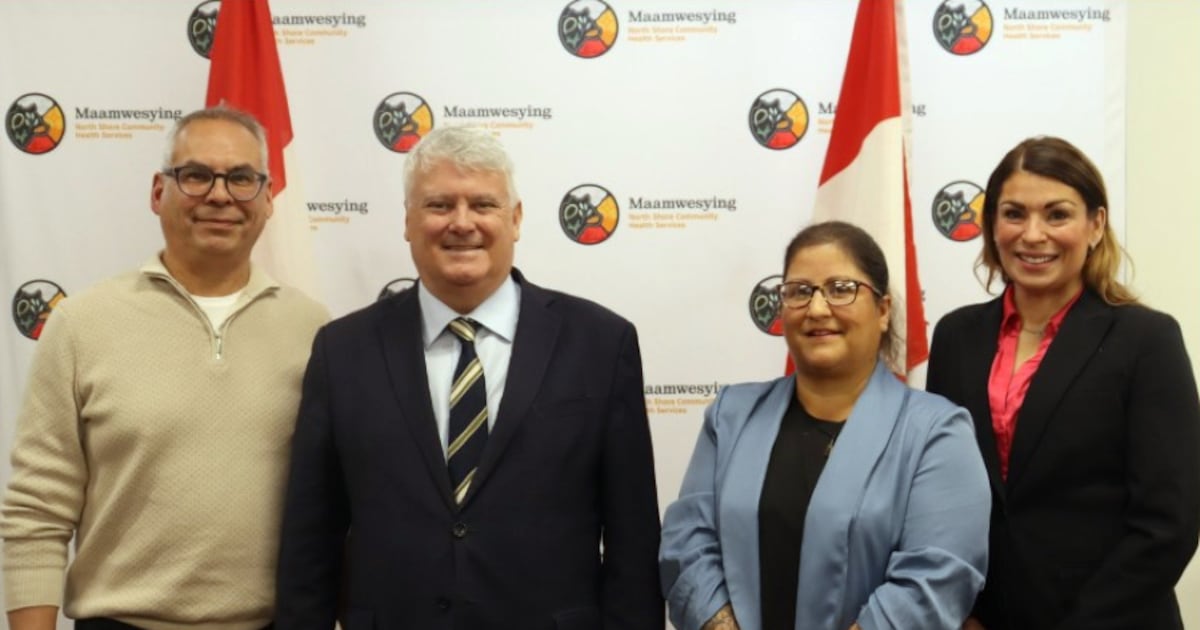
The federal government announced significant funding on March 15, 2024, aimed at addressing the pressing challenges linked to the illegal drug crisis in northern Ontario. Among the recipients is the Maamwesying North Shore Community Health Services, which will receive $3.6 million to enhance its efforts in combatting substance use in urban Sault Ste. Marie and the surrounding North Shore area.
The funding comes from the Emergency Treatment Fund, which totals $11.4 million allocated to eight projects throughout Ontario. MP Terry Sheehan announced the investment at the Maamwesying location on Albert Street, emphasizing that the initiative is designed to empower communities in their response to the illegal drug crisis.
“In rural Canada, in northern Ontario, in Indigenous communities and non-Indigenous communities, we can fund these important initiatives that are going to combat this,” Sheehan stated.
Enhancing Community Connections
The Maamwesying North Shore Community Health Services plays a crucial role in addressing addiction and mental health issues. The organization combines primary health care with mental health support, placing its staff on the front lines of the ongoing drug crisis.
“Our vision is rooted in Anishinaabe teachings that remind us healing happens through relationship, community, and balance,” said Chantelle Evans, the health service’s director of mental health and addictions. “Our role is to walk beside our relatives as they reclaim wellness in their own way and on their own time.”
The funding will assist in strengthening the organization’s client connection model and outreach programs. “This allows us to identify challenges early and respond with care before situations become crisis,” Evans explained. “When people feel connected, they are more likely to stay engaged and experience positive outcomes.”
Supporting Multiple Initiatives
In addition to Maamwesying, several other projects also received funding. The City of Sault Ste. Marie was awarded $3.5 million last year for its Outreach and Wellness Response Team, enabling its Wellness Bus to provide low-barrier access to medical, mental health, addiction, harm reduction, and housing support.
The Ngwaagan Gamig Recovery Centre will receive $79,712 to operate a fully-equipped six-bed residential Pretreatment Transition Home in Wiikwemkoong. Meanwhile, the Wiidookaage Waabandan program in Birch Island has been allocated $1,050,623 for 24-hour on-call support, in-person response, and training.
Furthermore, Wiikwemkoong Unceded Territory will get $160,019 to hire a program coordinator responsible for developing and implementing a healing program named Kii Daanaandwengwan (The Earth is Healing Me), aimed at connecting community members to their culture and the land to address substance use issues.
Allan Moffat, CEO of the Mamawenan North Shore Tribal Council, emphasized the importance of culturally sensitive approaches to health care. “For many Indigenous people, mainstream systems have not always felt safe, accessible, or responsive,” he noted. “There are real and ongoing concerns about the care people receive, the barriers they face, and the impact of historical and systemic inequities.”
This infusion of funding represents a concerted effort to tackle the complex and urgent issues surrounding substance use in northern Ontario, demonstrating a commitment to community-led solutions and culturally relevant support systems.

iShares Core Dividend Growth ETF Faces Challenges; Alternatives Suggested

Discover 7 Scenic Hikes Near Calgary to Explore This Spring

Scientists Uncover Life’s Building Blocks in Ryugu Asteroid Samples

Windsor-Essex Unveils New Action Plan to Combat Substance Use

Boost Your Business Visibility with These Local SEO Strategies

East Algoma OPP Urges Public to Limit Travel Amid Hazardous Conditions

Universities Must Rethink Failure to Support Student Growth

Canada Invests $6.4 Million to Boost Green Shipping Corridors

Stony Plain Secures 14th Consecutive Award for Financial Reporting Excellence

Rhythm Pharmaceuticals Reports Strong Q4 Growth Ahead of FDA Decision

Brandon University’s Failed $5 Million Project Sparks Oversight Review

Microsoft Confirms U.S. Law Overrules Canadian Data Sovereignty

Winnipeg Celebrates Culinary Creativity During Le Burger Week 2025

New SĆIȺNEW̱ SṮEȽIṮḴEȽ Elementary Opens in Langford for 2025/2026 Year

EngineAI Unveils T800 Humanoid Robot, Setting New Industry Standards

Montreal’s Groupe Marcelle Leads Canadian Cosmetic Industry Growth

Tech Innovator Amandipp Singh Transforms Hiring for Disabled

Discover Aritzia’s Latest Fashion Trends: A Comprehensive Review

Dragon Ball: Sparking! Zero Launching on Switch and Switch 2 This November

Digg Relaunches as Founders Kevin Rose and Alexis Ohanian Join Forces
-
 Education7 months ago
Brandon University’s Failed $5 Million Project Sparks Oversight Review
-
 Science7 months ago
Microsoft Confirms U.S. Law Overrules Canadian Data Sovereignty
-
 Lifestyle7 months ago
Winnipeg Celebrates Culinary Creativity During Le Burger Week 2025
-
 Education7 months ago
New SĆIȺNEW̱ SṮEȽIṮḴEȽ Elementary Opens in Langford for 2025/2026 Year
-
 Business4 months ago
EngineAI Unveils T800 Humanoid Robot, Setting New Industry Standards
-
 Health7 months ago
Montreal’s Groupe Marcelle Leads Canadian Cosmetic Industry Growth
-
 Science7 months ago
Tech Innovator Amandipp Singh Transforms Hiring for Disabled
-
 Lifestyle3 months ago
Discover Aritzia’s Latest Fashion Trends: A Comprehensive Review
-
 Technology7 months ago
Dragon Ball: Sparking! Zero Launching on Switch and Switch 2 This November
-
 Technology2 months ago
Digg Relaunches as Founders Kevin Rose and Alexis Ohanian Join Forces
-
 Top Stories3 months ago
Canadiens Eye Elias Pettersson: What It Would Cost to Acquire Him
-

 Health6 months ago
Eganville Leader to Close in 2026 After 123 Years of Reporting
-

 Education7 months ago
Red River College Launches New Programs to Address Industry Needs
-

 Business6 months ago
Rocket Lab Reports Strong Q2 2025 Revenue Growth and Future Plans
-

 Top Stories3 months ago
Nicol Brothers Shine as Wheat Kings Dominate U18 AAA Hockey
-

 Business7 months ago
BNA Brewing to Open New Bowling Alley in Downtown Penticton
-

 Education5 months ago
Alberta Petition Aims to Redirect Funds from Private to Public Schools
-

 Technology7 months ago
Google Pixel 10 Pro Fold Specs Unveiled Ahead of Launch
-

 Technology6 months ago
Discord Faces Serious Security Breach Affecting Millions
-

 Education7 months ago
Alberta Teachers’ Strike: Potential Impacts on Students and Families
-

 Lifestyle2 weeks ago
Canmore’s Le Fournil Bakery to Close After 14 Successful Years
-

 Business7 months ago
Iconic Golden Lion Restaurant in South Surrey to Close After 50 Years
-

 Science7 months ago
China’s Wukong Spacesuit Sets New Standard for AI in Space
-

 Lifestyle5 months ago
Edmonton’s Beloved Evolution Wonderlounge Closes, New Era Begins