
Health
Durham Officers Challenge Police Service Over PTSD Claims

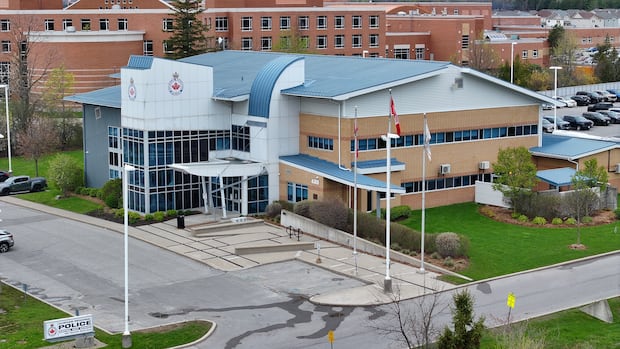
Multiple police officers from the Durham Region, diagnosed with post-traumatic stress disorder (PTSD), have raised concerns that their employer is undermining their recovery by contesting their access to workplace mental health benefits. The officers allege that the Durham Regional Police Service (DRPS) has frequently challenged their claims, complicating their healing process.
The issue has come to light following a report by the Ontario Civilian Police Commission, which indicated that the DRPS “vigorously opposed virtually every” application from officers for PTSD benefits through the Workplace Safety Insurance Board (WSIB). This report, which emerged from a six-year investigation initiated in 2019, was released via a freedom of information request but was heavily redacted, limiting insight into the officers’ testimonies.
Chief Peter Moreira, who assumed his role in March 2023, stated that the service only contests a small percentage of WSIB claims to obtain more information about the cases. According to DRPS data, the service submitted intent to object forms for approximately 10 percent of all WSIB claims since the beginning of 2023, with most related to mental health issues. Despite this, the service rarely escalates these objections to formal appeals.
Officers who spoke with CBC News, using pseudonyms to protect their identities, reported feeling betrayed by the DRPS, particularly after years of dedicated service responding to traumatic incidents that contributed to their PTSD. One officer, known as Stephen, expressed frustration over the service’s appeal of his approved claim. “It makes you feel worthless when you’ve poured so much into your employer and you’ve been so faithful,” he stated.
During a one-on-one interview, Chief Moreira emphasized that the objections are meant to facilitate timely access to vital information regarding the claims. He explained, “There’s no other mechanism by which, as an employer, we can find out any information with regards to how the injury happened, how we can best support it, and how we can prevent it from happening to somebody else.”
Despite assertions from the DRPS, some officers maintain that the service’s actions hinder their recovery. Kevin, another officer, remarked, “I’ve never had a period of time [since I’ve been off] where I can say that I was able to heal. Every time I get a little bit better, DRPS will do something.”
Psychologists treating DRPS members have voiced concerns regarding the impact of these objections. Sean O’Brien, a psychologist with nearly three decades of experience, described the objections without accompanying arguments as “absolutely devastating” to his patients’ mental health.
The WSIB system allows employers to request updates on injured workers without formally contesting claims. Christine Arnott, a WSIB spokesperson, noted that employers can directly communicate with case managers for updates on a worker’s functional abilities and recovery recommendations.
However, some officers argue that the DRPS’s insistence on objections undermines their claims, which are supported by independent medical assessments from institutions like the Centre for Addiction and Mental Health (CAMH). They question why the DRPS challenges the conclusions of qualified professionals.
The report detailing the investigation into the DRPS has raised serious concerns about the workplace environment, highlighting failures to address harassment and mental health issues. Many officers have reported significant emotional distress, with symptoms such as mood swings and difficulty sleeping, often affecting their families.
As the situation unfolds, the DRPS faces scrutiny over its handling of PTSD claims and the impact of its actions on officers’ mental health and recovery. The issue has ignited discussions about the need for reform within the WSIB system, particularly regarding how it addresses the mental health needs of first responders.
The DRPS has yet to provide data on the success rate of its appeals. In the meantime, officers continue to navigate the challenges posed by their claims, hoping for a resolution that allows them to heal and return to their vital roles in serving the community.

iShares Core Dividend Growth ETF Faces Challenges; Alternatives Suggested

Discover 7 Scenic Hikes Near Calgary to Explore This Spring

Scientists Uncover Life’s Building Blocks in Ryugu Asteroid Samples

Windsor-Essex Unveils New Action Plan to Combat Substance Use

Boost Your Business Visibility with These Local SEO Strategies

East Algoma OPP Urges Public to Limit Travel Amid Hazardous Conditions

Universities Must Rethink Failure to Support Student Growth

Canada Invests $6.4 Million to Boost Green Shipping Corridors

Stony Plain Secures 14th Consecutive Award for Financial Reporting Excellence

Rhythm Pharmaceuticals Reports Strong Q4 Growth Ahead of FDA Decision

Brandon University’s Failed $5 Million Project Sparks Oversight Review

Microsoft Confirms U.S. Law Overrules Canadian Data Sovereignty

Winnipeg Celebrates Culinary Creativity During Le Burger Week 2025

Discover Aritzia’s Latest Fashion Trends: A Comprehensive Review

New SĆIȺNEW̱ SṮEȽIṮḴEȽ Elementary Opens in Langford for 2025/2026 Year

EngineAI Unveils T800 Humanoid Robot, Setting New Industry Standards

Montreal’s Groupe Marcelle Leads Canadian Cosmetic Industry Growth

Tech Innovator Amandipp Singh Transforms Hiring for Disabled

Dragon Ball: Sparking! Zero Launching on Switch and Switch 2 This November

Digg Relaunches as Founders Kevin Rose and Alexis Ohanian Join Forces
-
 Education7 months ago
Brandon University’s Failed $5 Million Project Sparks Oversight Review
-
 Science8 months ago
Microsoft Confirms U.S. Law Overrules Canadian Data Sovereignty
-
 Lifestyle7 months ago
Winnipeg Celebrates Culinary Creativity During Le Burger Week 2025
-
 Lifestyle3 months ago
Discover Aritzia’s Latest Fashion Trends: A Comprehensive Review
-
 Education7 months ago
New SĆIȺNEW̱ SṮEȽIṮḴEȽ Elementary Opens in Langford for 2025/2026 Year
-
 Business4 months ago
EngineAI Unveils T800 Humanoid Robot, Setting New Industry Standards
-
 Health8 months ago
Montreal’s Groupe Marcelle Leads Canadian Cosmetic Industry Growth
-
 Science8 months ago
Tech Innovator Amandipp Singh Transforms Hiring for Disabled
-
 Technology8 months ago
Dragon Ball: Sparking! Zero Launching on Switch and Switch 2 This November
-
 Technology3 months ago
Digg Relaunches as Founders Kevin Rose and Alexis Ohanian Join Forces
-
 Top Stories4 months ago
Canadiens Eye Elias Pettersson: What It Would Cost to Acquire Him
-

 Lifestyle3 weeks ago
Canmore’s Le Fournil Bakery to Close After 14 Successful Years
-

 Health6 months ago
Eganville Leader to Close in 2026 After 123 Years of Reporting
-

 Education8 months ago
Red River College Launches New Programs to Address Industry Needs
-

 Top Stories4 months ago
Nicol Brothers Shine as Wheat Kings Dominate U18 AAA Hockey
-

 Business7 months ago
Rocket Lab Reports Strong Q2 2025 Revenue Growth and Future Plans
-

 Business8 months ago
BNA Brewing to Open New Bowling Alley in Downtown Penticton
-

 Education6 months ago
Alberta Petition Aims to Redirect Funds from Private to Public Schools
-

 Education8 months ago
Alberta Teachers’ Strike: Potential Impacts on Students and Families
-

 Technology6 months ago
Discord Faces Serious Security Breach Affecting Millions
-

 Technology8 months ago
Google Pixel 10 Pro Fold Specs Unveiled Ahead of Launch
-

 Lifestyle5 months ago
Edmonton’s Beloved Evolution Wonderlounge Closes, New Era Begins
-

 Business7 months ago
Iconic Golden Lion Restaurant in South Surrey to Close After 50 Years
-

 Science8 months ago
China’s Wukong Spacesuit Sets New Standard for AI in Space