
Education
Universities Face Criticism for Failing Disabled Students’ Needs

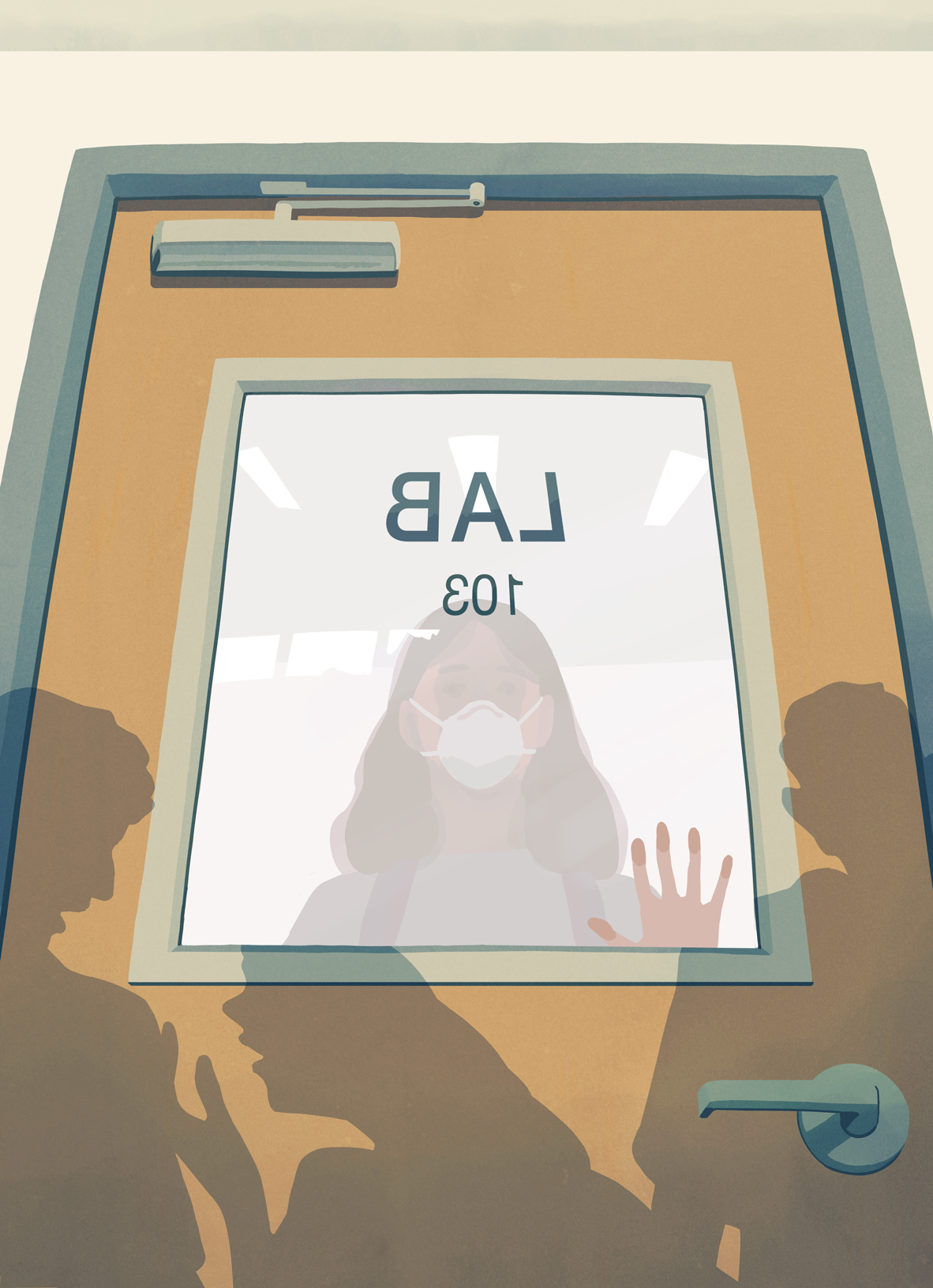
Recent investigations highlight how universities are failing to adequately support disabled students and staff, often treating accommodation requests as burdens rather than rights. This troubling trend has left many individuals feeling excluded from educational opportunities and raises serious questions about equity and inclusion within academic institutions.
Challenges Faced by Disabled Students
Naomi, a university student in Toronto, experienced significant challenges when her institution transitioned back to in-person classes after the COVID-19 pandemic. Initially relieved by the shift to online learning, Naomi discovered that the sensory overload of campus life exacerbated her autism and learning disabilities. Despite her academic success, achieving a 4.0 GPA, she faced substantial barriers when attempting to secure remote learning accommodations, which her university ultimately denied.
Naomi’s story is not unique. Many students across Canada have reported similar experiences, revealing a pattern of institutional resistance to necessary accommodations. According to Jay Dolmage, a professor at the University of Waterloo and founding editor of the Canadian Journal of Disability Studies, there has been a missed opportunity to redesign higher education to better serve disabled individuals following the pandemic. “Disabled people were always told this was impossible,” he stated. “Now we have evidence that it can be done.”
The Legal Framework and Institutional Responses
Under human rights law, universities are required to provide accommodations for disabled individuals unless doing so would impose an undue hardship. This typically means that the university must demonstrate that fulfilling an accommodation request would be significantly expensive. In many cases, such as Naomi’s request for recorded lectures, the cost is negligible. Nevertheless, many requests are met with skepticism and denial.
Statistics from Statistics Canada reveal that around 35 percent of graduating students are disabled, yet only 10 percent accessed services for disabled students, indicating a significant gap between need and support. The findings suggest that universities may not be doing enough to encourage students to come forward with their needs.
In 2019, Statistics Canada reported that 35 percent of disabled faculty members faced unfair treatment or discrimination, further illustrating the systemic issues present within academic settings. For instance, faculty members have described environments where seeking accommodation is viewed negatively, creating a culture of fear and reluctance to disclose disabilities.
As these barriers persist, many disabled students and faculty feel pressured to remain silent about their needs or risk being seen as “troublemakers.” This attitude reflects a broader societal misunderstanding of disability, where accommodations are perceived as advantages rather than essential rights.
Institutional Accountability and Future Directions
Despite universities promoting their commitments to equity and inclusion, the reality on the ground often contrasts sharply with these ideals. Reports indicate that many institutions are more focused on minimizing costs than on fulfilling their legal obligations. This has led to a culture where disabled individuals feel marginalized and unsupported.
The case of Naomi and others like her has prompted calls for greater accountability within universities. Advocates argue that institutions must prioritize genuine inclusivity over the mere appearance of compliance with human rights laws. As the World Health Organization continues to classify COVID-19 as a pandemic, it is critical for institutions to adapt their policies to ensure that disabled individuals are not left behind in the transition back to traditional educational models.
For many, the battle for proper accommodations is not just about accessing education—it is about dignity, respect, and the right to pursue one’s dreams without unnecessary barriers. As universities reassess their approaches, the hope remains that a more inclusive future can be created for all students and staff, regardless of their abilities.

iShares Core Dividend Growth ETF Faces Challenges; Alternatives Suggested

Discover 7 Scenic Hikes Near Calgary to Explore This Spring

Scientists Uncover Life’s Building Blocks in Ryugu Asteroid Samples

Windsor-Essex Unveils New Action Plan to Combat Substance Use

Boost Your Business Visibility with These Local SEO Strategies

East Algoma OPP Urges Public to Limit Travel Amid Hazardous Conditions

Universities Must Rethink Failure to Support Student Growth

Canada Invests $6.4 Million to Boost Green Shipping Corridors

Stony Plain Secures 14th Consecutive Award for Financial Reporting Excellence

Rhythm Pharmaceuticals Reports Strong Q4 Growth Ahead of FDA Decision

Brandon University’s Failed $5 Million Project Sparks Oversight Review

Microsoft Confirms U.S. Law Overrules Canadian Data Sovereignty

Discover Aritzia’s Latest Fashion Trends: A Comprehensive Review

Winnipeg Celebrates Culinary Creativity During Le Burger Week 2025

New SĆIȺNEW̱ SṮEȽIṮḴEȽ Elementary Opens in Langford for 2025/2026 Year

EngineAI Unveils T800 Humanoid Robot, Setting New Industry Standards

Montreal’s Groupe Marcelle Leads Canadian Cosmetic Industry Growth

Tech Innovator Amandipp Singh Transforms Hiring for Disabled

Dragon Ball: Sparking! Zero Launching on Switch and Switch 2 This November

Digg Relaunches as Founders Kevin Rose and Alexis Ohanian Join Forces
-
 Education7 months ago
Brandon University’s Failed $5 Million Project Sparks Oversight Review
-
 Science8 months ago
Microsoft Confirms U.S. Law Overrules Canadian Data Sovereignty
-
 Lifestyle4 months ago
Discover Aritzia’s Latest Fashion Trends: A Comprehensive Review
-
 Lifestyle8 months ago
Winnipeg Celebrates Culinary Creativity During Le Burger Week 2025
-
 Education8 months ago
New SĆIȺNEW̱ SṮEȽIṮḴEȽ Elementary Opens in Langford for 2025/2026 Year
-
 Business4 months ago
EngineAI Unveils T800 Humanoid Robot, Setting New Industry Standards
-
 Health8 months ago
Montreal’s Groupe Marcelle Leads Canadian Cosmetic Industry Growth
-
 Science8 months ago
Tech Innovator Amandipp Singh Transforms Hiring for Disabled
-
 Technology8 months ago
Dragon Ball: Sparking! Zero Launching on Switch and Switch 2 This November
-
 Technology3 months ago
Digg Relaunches as Founders Kevin Rose and Alexis Ohanian Join Forces
-

 Lifestyle1 month ago
Canmore’s Le Fournil Bakery to Close After 14 Successful Years
-
 Top Stories4 months ago
Canadiens Eye Elias Pettersson: What It Would Cost to Acquire Him
-

 Health7 months ago
Eganville Leader to Close in 2026 After 123 Years of Reporting
-

 Education8 months ago
Red River College Launches New Programs to Address Industry Needs
-

 Top Stories4 months ago
Nicol Brothers Shine as Wheat Kings Dominate U18 AAA Hockey
-

 Business8 months ago
BNA Brewing to Open New Bowling Alley in Downtown Penticton
-

 Business7 months ago
Rocket Lab Reports Strong Q2 2025 Revenue Growth and Future Plans
-

 Lifestyle5 months ago
Edmonton’s Beloved Evolution Wonderlounge Closes, New Era Begins
-

 Education6 months ago
Alberta Petition Aims to Redirect Funds from Private to Public Schools
-

 Education8 months ago
Alberta Teachers’ Strike: Potential Impacts on Students and Families
-

 Technology8 months ago
Google Pixel 10 Pro Fold Specs Unveiled Ahead of Launch
-

 Technology6 months ago
Discord Faces Serious Security Breach Affecting Millions
-

 Business8 months ago
Iconic Golden Lion Restaurant in South Surrey to Close After 50 Years
-

 Lifestyle6 months ago
Canadian Author Secures Funding to Write Book Without Financial Strain