
Education
Teachers Urge Funding Reforms Ahead of 2026-27 Budget

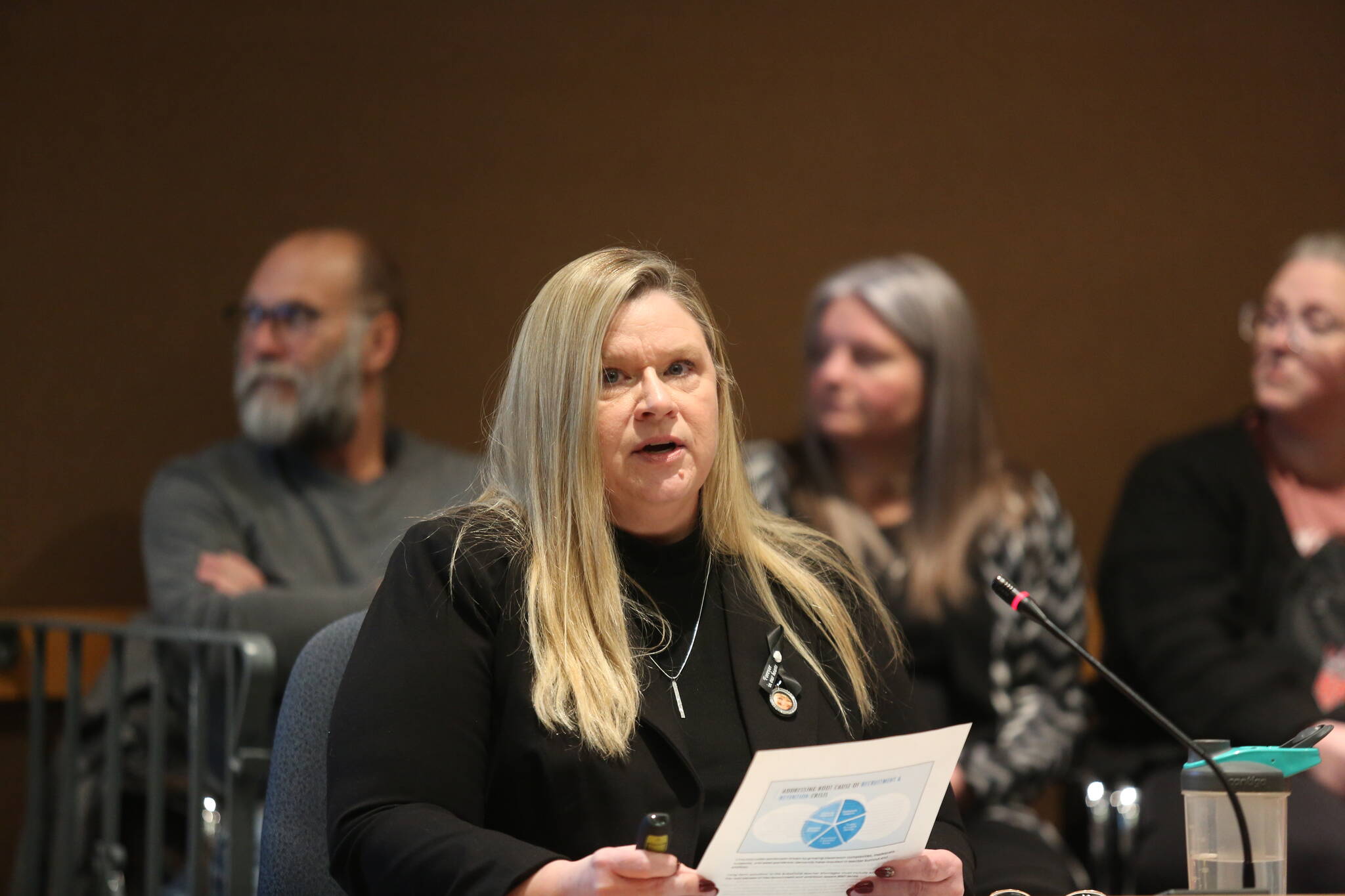
The Brandon Teachers’ Association (BTA) is pressing the Brandon School Division and the Manitoba government to tackle three critical issues as they prepare for the upcoming 2026-27 budget. The issues include chronic underfunding, increasing classroom sizes, and the need for more support for both students and teachers.
During a presentation to the school board on Monday, BTA President Sandra Thompson highlighted that insufficient funding is leading to overworked teachers and inadequate support for students. “Less funding means less support for students and more overworked teachers,” she stated.
Thompson indicated that financial support has not kept pace with the rapid enrolment growth and the complex needs of students in the region. Over the past decade, the student population in Brandon has surged by 19 percent, significantly outpacing the provincial average. This surge has placed additional strain on classrooms and staffing resources, positioning Brandon among the top three metro school divisions in Manitoba for enrolment growth.
The impact of these challenges is evident in growing class sizes and increased classroom complexity. According to data from the Manitoba Teachers’ Society, class sizes in the Brandon School Division exceed the provincial average, except for Grades 1 and 2. Last year, the school board made the difficult decision not to hire 33 full-time-equivalent staff that were included in the draft budget to accommodate the rising student numbers. This year, many high school classes reportedly exceed 30 students.
Thompson raised a poignant concern regarding the implications of such large class sizes. “Imagine if you were one of the many students who required help in a class of 30, waiting for the teacher to assist 29 others,” she remarked. While teachers are trained professionals capable of adapting curricula and supporting diverse learners, the reality is that they cannot meet every student’s needs simultaneously.
Classroom complexity encompasses more than just the number of students. Teachers are increasingly tasked with addressing the needs of students with learning disabilities, behavioural challenges, mental health issues, and significant learning gaps resulting from the COVID-19 pandemic—all within the same classroom environment.
Thompson shared testimonials from teachers collected during a recent survey, emphasizing the overwhelming environment in which they work. One teacher expressed, “We must do too much with too little. It’s defeating and deflating to not be able to do so through no fault of our own.” Another noted the emotional toll, stating, “I see my colleagues in the classroom crying and so overwhelmed with student behaviour, violence, poverty, and academic concerns. I don’t know how to help them.”
The BTA president indicated that these sentiments reflect a growing crisis of teacher burnout, which complicates recruitment and retention efforts within the division. “There is currently a teacher shortage, and teachers are burning out and leaving the profession,” Thompson noted in an interview after the presentation. “Their plates are full, and they’re overwhelmed.”
Rather than proposing a fixed number of new hires, the association is advocating for budget allocations that genuinely reflect the realities faced in classrooms.
Following Thompson’s presentation, Linda Ross, the board chair, acknowledged the concerns raised and clarified that trustees would respond at a later date. Trustee Breeanna Sieklicki inquired whether these issues had been communicated beyond the division. Thompson confirmed that the BTA is voicing these concerns at all levels, including with the Manitoba Teachers’ Society and provincial authorities. “Everything I’ve presented tonight isn’t really new news,” she stated, adding that the BTA has been in discussions with Education Minister Tracy Schmidt about these challenges.
The concerns raised by the BTA align closely with those of the board and administration, particularly in prioritizing classroom needs. Mathew Gustafson, Superintendent of the Brandon School Division, acknowledged the significant pressure that enrolment growth places on resources, which in turn drives up salary costs. “We all share the goal of supporting students and providing quality education,” Gustafson said.
He also noted the difficult position the board faces if provincial funding does not increase to meet rising costs, including salary harmonization. “There’s not much area now left to work with,” Gustafson commented. Despite these challenges, he expressed cautious optimism that ongoing discussions with the province may yield additional funding.
In conclusion, Thompson urged the board not to pursue further cuts, emphasizing the broader implications for students and families across Brandon. “This is not the time for cuts,” she asserted. “We need funding. We need support. We need more teachers. We need help.”

iShares Core Dividend Growth ETF Faces Challenges; Alternatives Suggested

Discover 7 Scenic Hikes Near Calgary to Explore This Spring

Scientists Uncover Life’s Building Blocks in Ryugu Asteroid Samples

Windsor-Essex Unveils New Action Plan to Combat Substance Use

Boost Your Business Visibility with These Local SEO Strategies

East Algoma OPP Urges Public to Limit Travel Amid Hazardous Conditions

Universities Must Rethink Failure to Support Student Growth

Canada Invests $6.4 Million to Boost Green Shipping Corridors

Stony Plain Secures 14th Consecutive Award for Financial Reporting Excellence

Rhythm Pharmaceuticals Reports Strong Q4 Growth Ahead of FDA Decision

Brandon University’s Failed $5 Million Project Sparks Oversight Review

Microsoft Confirms U.S. Law Overrules Canadian Data Sovereignty

Discover Aritzia’s Latest Fashion Trends: A Comprehensive Review

Winnipeg Celebrates Culinary Creativity During Le Burger Week 2025

New SĆIȺNEW̱ SṮEȽIṮḴEȽ Elementary Opens in Langford for 2025/2026 Year

EngineAI Unveils T800 Humanoid Robot, Setting New Industry Standards

Montreal’s Groupe Marcelle Leads Canadian Cosmetic Industry Growth

Tech Innovator Amandipp Singh Transforms Hiring for Disabled

Dragon Ball: Sparking! Zero Launching on Switch and Switch 2 This November

Canmore’s Le Fournil Bakery to Close After 14 Successful Years
-
 Education7 months ago
Brandon University’s Failed $5 Million Project Sparks Oversight Review
-
 Science8 months ago
Microsoft Confirms U.S. Law Overrules Canadian Data Sovereignty
-
 Lifestyle4 months ago
Discover Aritzia’s Latest Fashion Trends: A Comprehensive Review
-
 Lifestyle8 months ago
Winnipeg Celebrates Culinary Creativity During Le Burger Week 2025
-
 Education8 months ago
New SĆIȺNEW̱ SṮEȽIṮḴEȽ Elementary Opens in Langford for 2025/2026 Year
-
 Business4 months ago
EngineAI Unveils T800 Humanoid Robot, Setting New Industry Standards
-
 Health8 months ago
Montreal’s Groupe Marcelle Leads Canadian Cosmetic Industry Growth
-
 Science8 months ago
Tech Innovator Amandipp Singh Transforms Hiring for Disabled
-
 Technology8 months ago
Dragon Ball: Sparking! Zero Launching on Switch and Switch 2 This November
-
 Lifestyle1 month ago
Canmore’s Le Fournil Bakery to Close After 14 Successful Years
-

 Technology3 months ago
Digg Relaunches as Founders Kevin Rose and Alexis Ohanian Join Forces
-
 Top Stories4 months ago
Canadiens Eye Elias Pettersson: What It Would Cost to Acquire Him
-

 Health7 months ago
Eganville Leader to Close in 2026 After 123 Years of Reporting
-

 Education8 months ago
Red River College Launches New Programs to Address Industry Needs
-

 Top Stories4 months ago
Nicol Brothers Shine as Wheat Kings Dominate U18 AAA Hockey
-

 Business8 months ago
BNA Brewing to Open New Bowling Alley in Downtown Penticton
-

 Lifestyle5 months ago
Edmonton’s Beloved Evolution Wonderlounge Closes, New Era Begins
-

 Business7 months ago
Rocket Lab Reports Strong Q2 2025 Revenue Growth and Future Plans
-

 Education6 months ago
Alberta Petition Aims to Redirect Funds from Private to Public Schools
-

 Education8 months ago
Alberta Teachers’ Strike: Potential Impacts on Students and Families
-

 Technology6 months ago
Discord Faces Serious Security Breach Affecting Millions
-

 Technology8 months ago
Google Pixel 10 Pro Fold Specs Unveiled Ahead of Launch
-

 Business8 months ago
Iconic Golden Lion Restaurant in South Surrey to Close After 50 Years
-

 Lifestyle6 months ago
Canadian Author Secures Funding to Write Book Without Financial Strain