
Education
Ontario Announces Tuition Increases and Funding Changes for Colleges

Ontario’s provincial government has unveiled significant changes to postsecondary funding, allowing universities and colleges to increase tuition fees by up to two percent annually for the next three years. This decision comes after years of advocacy aimed at lifting a tuition freeze that was put in place during the COVID-19 pandemic.
In addition to the tuition hikes, the new funding framework will cap non-repayable grants administered through the Ontario Student Assistance Program (OSAP) at 25 percent. Previously, students could receive up to 85 percent of their funding through grants. The government maintains that these adjustments will keep Ontario’s postsecondary education costs among the lowest in Canada.
Nolan Quinn, Ontario’s Minister of Colleges, Universities, Research Excellence and Security, emphasized the long-term sustainability of the province’s educational institutions. “In order to protect our province, it is imperative that we continue to train a strong, highly skilled workforce for Ontario for decades to come,” Quinn stated. He highlighted a $6.4 billion funding commitment aimed at ensuring that graduates acquire the skills necessary for good-paying careers while maintaining educational accessibility.
Reactions from Educational Institutions
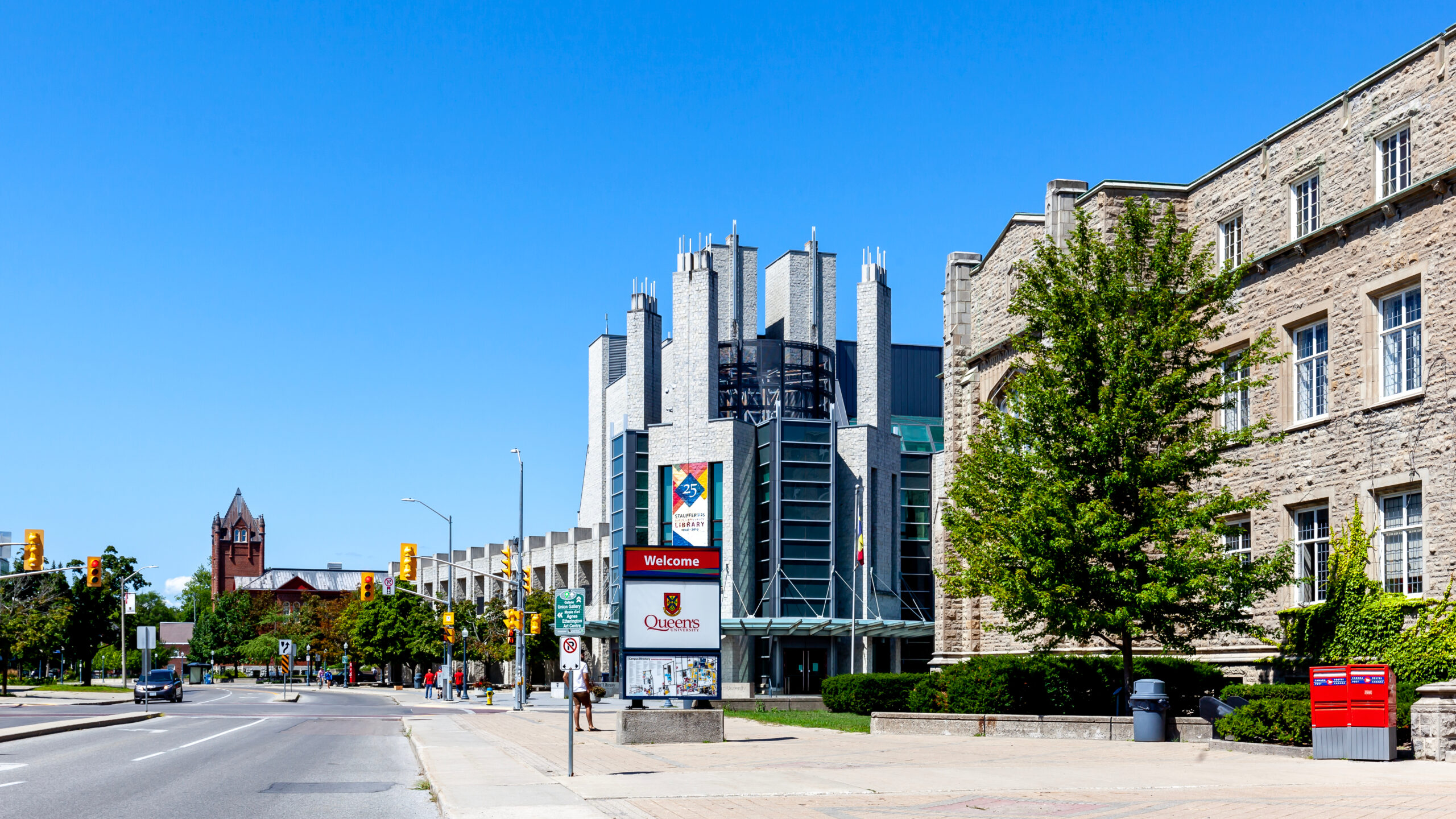
The announcement was met with optimism from various educational institutions across Ontario, including Queen’s University and St. Lawrence College in Kingston. Queen’s University released a statement expressing gratitude for the renewed investment in higher education and supporting the provincial government’s view that the changes will enhance sustainability within the system.
“This investment reflects the important role universities play in Ontario’s future,” the statement read. “Through educating talented graduates, advancing research and innovation, and contributing to vibrant communities, higher education contributes to Ontario’s prosperity and benefits the province in lasting ways.”
Similar sentiments were echoed by Glenn Vollebregt, President and CEO of St. Lawrence College, who remarked that the funding commitment signals the government’s recognition of the essential role postsecondary institutions play in preparing a skilled workforce.
Concerns from Student Organizations
Despite the positive reactions from educational institutions, student organizations voiced significant concerns regarding the funding changes. The Ontario Undergraduate Student Alliance (OUSA) welcomed the new funding and the effort to address tuition hikes but expressed alarm over the changes to OSAP.
President Sayak Sneddon-Ghosal pointed out that the shift from grants to loans could exacerbate financial burdens for students already struggling with debt. “We are concerned about the continued shift within OSAP from grants to loans, particularly how it risks disproportionately impacting students from various socioeconomic backgrounds,” he said. OUSA has called for a comprehensive review of OSAP eligibility to ensure fair access to assistance.
The union representing graduate student workers, PSAC 901, criticized the government’s approach more harshly. Vice President of Community Relations Elliot Goodell Ugalde argued that the combination of tuition hikes and cuts to OSAP grants would place an undue burden on young people, particularly those from marginalized backgrounds.
“Allowing tuition to rise by up to two percent each year while pushing students toward more debt means many will pay thousands more over the course of their education,” Goodell Ugalde stated. He emphasized that these changes would create additional barriers to accessing higher education, especially for first-generation and racialized students.
The provincial government has responded to these concerns by stating that the new tuition structure will only lead to a minimal additional cost of $0.18 per day for college students and $0.47 per day for university students. For low-income students, this cost will be mitigated through an enhanced Student Access Guarantee (SAG).
As Ontario navigates these changes, the balance between funding sustainability and accessibility for students will be critical to the province’s educational landscape in the coming years.

iShares Core Dividend Growth ETF Faces Challenges; Alternatives Suggested

Discover 7 Scenic Hikes Near Calgary to Explore This Spring

Scientists Uncover Life’s Building Blocks in Ryugu Asteroid Samples

Windsor-Essex Unveils New Action Plan to Combat Substance Use

Boost Your Business Visibility with These Local SEO Strategies

East Algoma OPP Urges Public to Limit Travel Amid Hazardous Conditions

Universities Must Rethink Failure to Support Student Growth

Canada Invests $6.4 Million to Boost Green Shipping Corridors

Stony Plain Secures 14th Consecutive Award for Financial Reporting Excellence

Rhythm Pharmaceuticals Reports Strong Q4 Growth Ahead of FDA Decision

Brandon University’s Failed $5 Million Project Sparks Oversight Review

Microsoft Confirms U.S. Law Overrules Canadian Data Sovereignty

Winnipeg Celebrates Culinary Creativity During Le Burger Week 2025

Discover Aritzia’s Latest Fashion Trends: A Comprehensive Review

New SĆIȺNEW̱ SṮEȽIṮḴEȽ Elementary Opens in Langford for 2025/2026 Year

EngineAI Unveils T800 Humanoid Robot, Setting New Industry Standards

Montreal’s Groupe Marcelle Leads Canadian Cosmetic Industry Growth

Tech Innovator Amandipp Singh Transforms Hiring for Disabled

Dragon Ball: Sparking! Zero Launching on Switch and Switch 2 This November

Digg Relaunches as Founders Kevin Rose and Alexis Ohanian Join Forces
-
 Education7 months ago
Brandon University’s Failed $5 Million Project Sparks Oversight Review
-
 Science8 months ago
Microsoft Confirms U.S. Law Overrules Canadian Data Sovereignty
-
 Lifestyle7 months ago
Winnipeg Celebrates Culinary Creativity During Le Burger Week 2025
-
 Lifestyle4 months ago
Discover Aritzia’s Latest Fashion Trends: A Comprehensive Review
-
 Education7 months ago
New SĆIȺNEW̱ SṮEȽIṮḴEȽ Elementary Opens in Langford for 2025/2026 Year
-
 Business4 months ago
EngineAI Unveils T800 Humanoid Robot, Setting New Industry Standards
-
 Health8 months ago
Montreal’s Groupe Marcelle Leads Canadian Cosmetic Industry Growth
-
 Science8 months ago
Tech Innovator Amandipp Singh Transforms Hiring for Disabled
-
 Technology8 months ago
Dragon Ball: Sparking! Zero Launching on Switch and Switch 2 This November
-
 Technology3 months ago
Digg Relaunches as Founders Kevin Rose and Alexis Ohanian Join Forces
-

 Lifestyle4 weeks ago
Canmore’s Le Fournil Bakery to Close After 14 Successful Years
-
 Top Stories4 months ago
Canadiens Eye Elias Pettersson: What It Would Cost to Acquire Him
-

 Health7 months ago
Eganville Leader to Close in 2026 After 123 Years of Reporting
-

 Education8 months ago
Red River College Launches New Programs to Address Industry Needs
-

 Top Stories4 months ago
Nicol Brothers Shine as Wheat Kings Dominate U18 AAA Hockey
-

 Business8 months ago
BNA Brewing to Open New Bowling Alley in Downtown Penticton
-

 Business7 months ago
Rocket Lab Reports Strong Q2 2025 Revenue Growth and Future Plans
-

 Education6 months ago
Alberta Petition Aims to Redirect Funds from Private to Public Schools
-

 Lifestyle5 months ago
Edmonton’s Beloved Evolution Wonderlounge Closes, New Era Begins
-

 Education8 months ago
Alberta Teachers’ Strike: Potential Impacts on Students and Families
-

 Technology6 months ago
Discord Faces Serious Security Breach Affecting Millions
-

 Technology8 months ago
Google Pixel 10 Pro Fold Specs Unveiled Ahead of Launch
-

 Business7 months ago
Iconic Golden Lion Restaurant in South Surrey to Close After 50 Years
-

 Science8 months ago
China’s Wukong Spacesuit Sets New Standard for AI in Space