
Education
Kankakee Schools Face Curriculum Overhaul Following Audit Findings

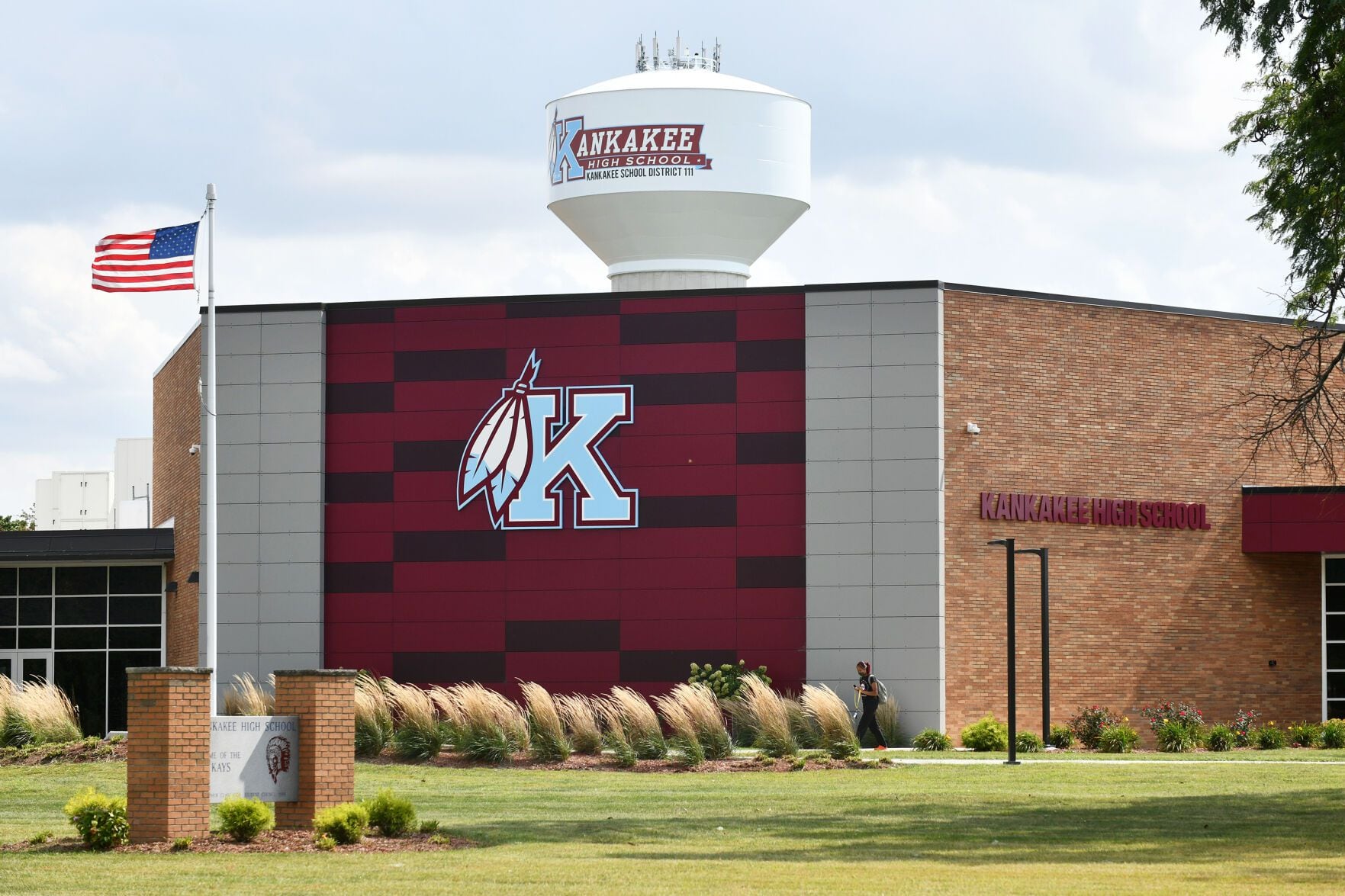
The Kankakee School Board received a comprehensive report on March 12, 2024, revealing significant deficiencies in the curriculum of Kankakee School District 111. Conducted by Curriculum Management Solutions, Inc. (CMSi) at a cost of $130,332, the audit highlighted critical areas in need of improvement to enhance student learning outcomes.
Curriculum Policies and Implementation
The audit culminated in a detailed 250-page report that focused on five key areas and presented six recommendations. According to Holly Kaptain of CMSi, the fundamental issue lies in the effectiveness of student learning. While the district’s curriculum policies meet state requirements, they lack the depth needed to adequately guide implementation in classrooms. “Your curriculum policies are pretty sparse,” Kaptain noted, emphasizing the necessity for a robust strategic planning process already underway in the district.
The review pointed out that the district currently lacks a coherent framework for curriculum design, development, delivery, and assessment. The existing curriculum management plan, which is over five years old, is considered obsolete. Kaptain remarked, “It’s there; it’s not being followed,” indicating a disconnect between written policies and actual practices.
Furthermore, the available resources for teachers do not align with key assessments such as the Illinois Assessment of Readiness or the ACT. This misalignment raises concerns about students’ preparedness for these crucial evaluations. Kaptain stated, “Even if teachers are teaching those with fidelity, they are not going to get the learning at a high enough level for students to succeed on those assessments.”
Instructional Delivery and Equity Issues
The assessment revealed a lack of engaging and student-centered instructional practices within classrooms. Kaptain reported that teaching methods primarily focused on whole-group, direct instruction with students often engaged in low-level seat work. “It was pretty low-level, so it was not super cognitively demanding,” she explained. Such an approach undermines the potential for meaningful learning experiences.
Moreover, the audit found disparities in access to programs and services, particularly affecting students of color. Black students are less likely to be identified for gifted programs and more likely to face disciplinary actions, indicating systemic inequities within the district.
Kaptain emphasized that the challenges should not be viewed as a reflection of teacher capabilities. “This is no condemnation of teachers,” she clarified. “This is really about teachers doing the best they can with what they’ve been provided.”
Assessment and Resource Management
The audit also identified gaps in student assessment data and a lack of strategic direction regarding assessment practices. While tools like the STAR test and district-developed assessments are in place, the report calls for enhanced planning and guidance in utilizing this data effectively.
In terms of financial resources, District 111 is described as well-resourced, but the report pointed out that the district has not conducted a thorough cost-benefit analysis in its budgeting practices. Increased expenses due to aging infrastructure, student transportation for school choice, and inefficient spending have contributed to budget deficits.
Kaptain noted, “Increased costs to maintain aging buildings, transporting students across the district in support of school choice, and wasteful spending have contributed to budget deficits and low fund balances.”
Key Recommendations Moving Forward
The auditors provided a prioritized list of recommendations for the district. These include:
1. Establishing a clear vision for classroom learning.
2. Creating curriculum documents to help teachers navigate resources and define mastery.
3. Developing guidelines for monitoring curriculum delivery aligned with the district’s vision.
4. Connecting financial management to educational priorities and creating a facilities plan for future needs.
5. Focusing assessments on authentic, performance-based measures.
6. Formulating a technology plan for effective program evaluation.
Looking ahead, Kelly Gilbert, assistant superintendent for curriculum and instruction, stated that the district plans to discuss and begin implementing some of the auditors’ recommendations in the upcoming semester. “We are not waiting,” Gilbert affirmed, indicating a proactive approach to addressing the findings.
As the district receives the final report from CMSi before the winter break, Kaptain expressed hope that the insights gained will enable teachers to work more efficiently and effectively. “You are at such an important crossroads as a board,” she concluded, emphasizing the critical opportunity for meaningful change in Kankakee schools.

iShares Core Dividend Growth ETF Faces Challenges; Alternatives Suggested

Discover 7 Scenic Hikes Near Calgary to Explore This Spring

Scientists Uncover Life’s Building Blocks in Ryugu Asteroid Samples

Windsor-Essex Unveils New Action Plan to Combat Substance Use

Boost Your Business Visibility with These Local SEO Strategies

East Algoma OPP Urges Public to Limit Travel Amid Hazardous Conditions

Universities Must Rethink Failure to Support Student Growth

Canada Invests $6.4 Million to Boost Green Shipping Corridors

Stony Plain Secures 14th Consecutive Award for Financial Reporting Excellence

Rhythm Pharmaceuticals Reports Strong Q4 Growth Ahead of FDA Decision

Brandon University’s Failed $5 Million Project Sparks Oversight Review

Microsoft Confirms U.S. Law Overrules Canadian Data Sovereignty

Winnipeg Celebrates Culinary Creativity During Le Burger Week 2025

Discover Aritzia’s Latest Fashion Trends: A Comprehensive Review

New SĆIȺNEW̱ SṮEȽIṮḴEȽ Elementary Opens in Langford for 2025/2026 Year

EngineAI Unveils T800 Humanoid Robot, Setting New Industry Standards

Montreal’s Groupe Marcelle Leads Canadian Cosmetic Industry Growth

Tech Innovator Amandipp Singh Transforms Hiring for Disabled

Dragon Ball: Sparking! Zero Launching on Switch and Switch 2 This November

Digg Relaunches as Founders Kevin Rose and Alexis Ohanian Join Forces
-
 Education7 months ago
Brandon University’s Failed $5 Million Project Sparks Oversight Review
-
 Science8 months ago
Microsoft Confirms U.S. Law Overrules Canadian Data Sovereignty
-
 Lifestyle7 months ago
Winnipeg Celebrates Culinary Creativity During Le Burger Week 2025
-
 Lifestyle4 months ago
Discover Aritzia’s Latest Fashion Trends: A Comprehensive Review
-
 Education7 months ago
New SĆIȺNEW̱ SṮEȽIṮḴEȽ Elementary Opens in Langford for 2025/2026 Year
-
 Business4 months ago
EngineAI Unveils T800 Humanoid Robot, Setting New Industry Standards
-
 Health8 months ago
Montreal’s Groupe Marcelle Leads Canadian Cosmetic Industry Growth
-
 Science8 months ago
Tech Innovator Amandipp Singh Transforms Hiring for Disabled
-
 Technology8 months ago
Dragon Ball: Sparking! Zero Launching on Switch and Switch 2 This November
-
 Technology3 months ago
Digg Relaunches as Founders Kevin Rose and Alexis Ohanian Join Forces
-
 Top Stories4 months ago
Canadiens Eye Elias Pettersson: What It Would Cost to Acquire Him
-

 Lifestyle4 weeks ago
Canmore’s Le Fournil Bakery to Close After 14 Successful Years
-

 Health7 months ago
Eganville Leader to Close in 2026 After 123 Years of Reporting
-

 Education8 months ago
Red River College Launches New Programs to Address Industry Needs
-

 Top Stories4 months ago
Nicol Brothers Shine as Wheat Kings Dominate U18 AAA Hockey
-

 Business7 months ago
Rocket Lab Reports Strong Q2 2025 Revenue Growth and Future Plans
-

 Business8 months ago
BNA Brewing to Open New Bowling Alley in Downtown Penticton
-

 Education6 months ago
Alberta Petition Aims to Redirect Funds from Private to Public Schools
-

 Education8 months ago
Alberta Teachers’ Strike: Potential Impacts on Students and Families
-

 Technology6 months ago
Discord Faces Serious Security Breach Affecting Millions
-

 Technology8 months ago
Google Pixel 10 Pro Fold Specs Unveiled Ahead of Launch
-

 Lifestyle5 months ago
Edmonton’s Beloved Evolution Wonderlounge Closes, New Era Begins
-

 Business7 months ago
Iconic Golden Lion Restaurant in South Surrey to Close After 50 Years
-

 Science8 months ago
China’s Wukong Spacesuit Sets New Standard for AI in Space