
Education
Illinois Launches Comprehensive Plan to Boost Math Competence

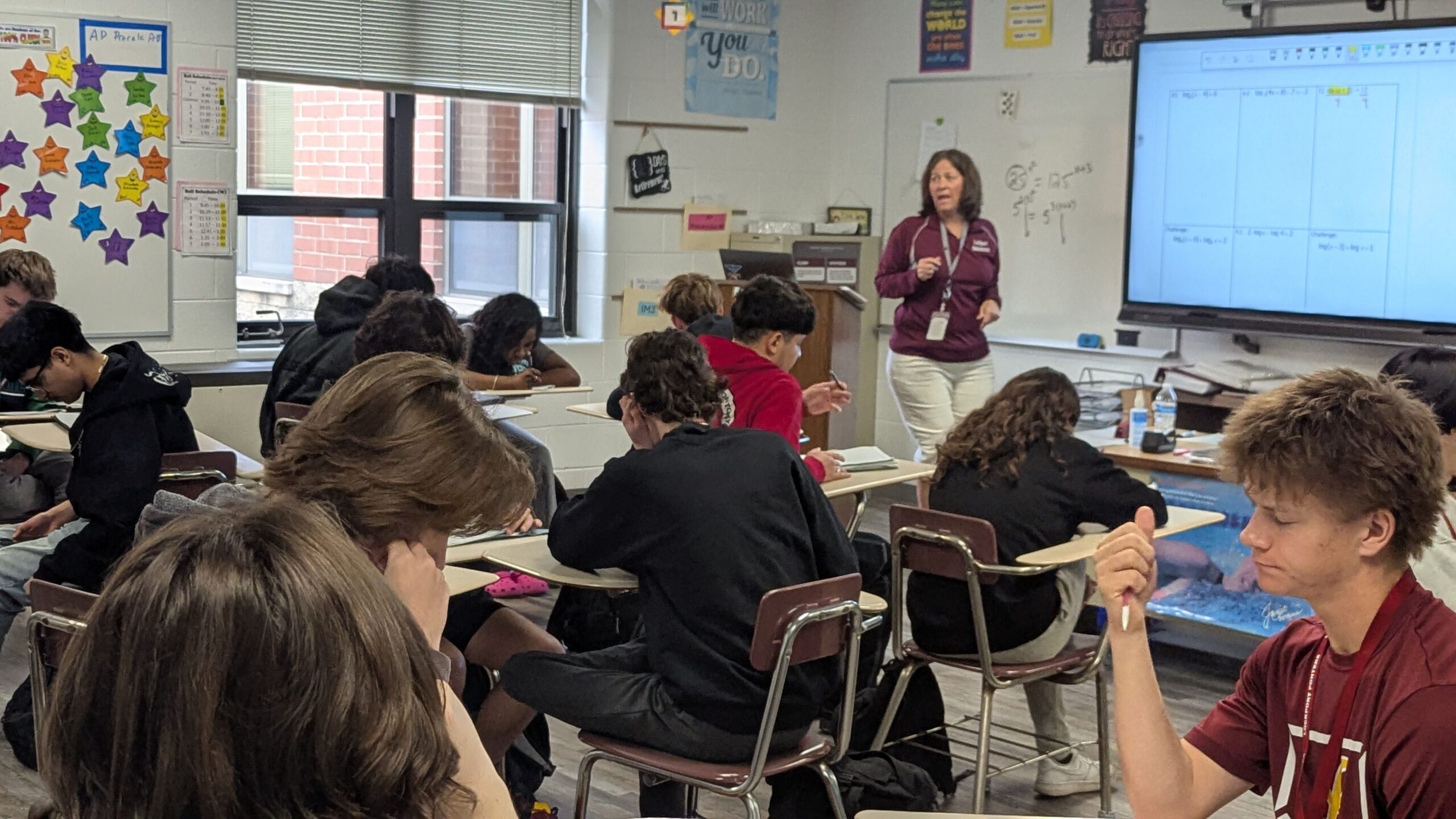
Students in Illinois are grappling with a persistent challenge: lower math scores compared to reading and writing. In the most recent report from the Illinois State Board of Education, only 38.4% of students demonstrated proficiency in math, significantly lower than the 52.4% proficiency rate in English language arts. This trend mirrors a national pattern where, according to the National Assessment of Educational Progress, just 59% of eighth graders in 2024 achieved the “basic” level in math, compared to 66% in reading.
In response to these concerning statistics, Illinois officials are taking action by developing a comprehensive “numeracy plan.” This initiative aims to enhance students’ math skills across the state, addressing both classroom instruction and teacher training.
Understanding the Math Competence Gap
The ongoing struggle with math proficiency is not unique to Illinois. Data from the 2023 Trends in International Mathematics and Science Study reveals that American students lag behind their peers in several industrialized countries, including Singapore, Japan, Sweden, and Australia. This disparity raises important questions about the factors contributing to the low performance in mathematics.
Latrenda Knighten, a retired math teacher and current president of the National Council of Teachers of Mathematics, highlights a cultural aspect. Many Americans proudly identify as “not a math person,” a sentiment she believes adversely impacts students’ attitudes toward the subject. “What you say publicly has a huge impact on impressionable young minds,” Knighten explained. “We can no longer accept that it’s okay to say, ‘Oh, I’m just not good at math.’”
On the other hand, Beth MacDonald, an education professor at Illinois State University, attributes the issue largely to teaching methods. She cites the No Child Left Behind Act of 2001 as a pivotal moment that shifted focus towards standardized testing, often at the expense of understanding students’ individual learning needs. “What we’ve removed now is the need to even understand where our kids are at in their own learning,” MacDonald noted.
Details of the Numeracy Plan
The Illinois State Board of Education is committed to reversing the trend of low math proficiency through its numeracy plan, which was initiated following a needs assessment conducted in April and May 2023. This assessment involved consultations with a variety of stakeholders, including teachers, administrators, and regional superintendents.
In June, the Board held a summit to analyze the feedback and began drafting the plan. An initial draft was released in October and is set for further refinement. The state plans to present a second draft to the board in February 2024, with a final version expected by June 2024.
Knighten emphasized the holistic approach being taken in the planning process. “They are looking at developing a plan and identifying what numeracy is,” she explained. The focus is not solely on improving students’ ability to memorize math facts but also on fostering a deeper understanding of mathematical concepts.
The document outlines that “numeracy is more than arithmetic or the memorization of procedures,” aiming for students to confidently understand and apply mathematical concepts in real-world contexts. However, challenges remain, particularly regarding funding and resources, as many school districts are underfunded and require more training for teachers.
MacDonald believes that while the plan shows promise, financial support will be crucial to its success. “I think they’re doing a great job with the numeracy plan so far, with regard to how policy can change,” she said. “But we need some money behind a lot of these initiatives.”
As Illinois takes these steps, stakeholders remain hopeful that the comprehensive numeracy plan will significantly improve math skills among students, potentially altering the narrative around math education in the state and beyond.

iShares Core Dividend Growth ETF Faces Challenges; Alternatives Suggested

Discover 7 Scenic Hikes Near Calgary to Explore This Spring

Scientists Uncover Life’s Building Blocks in Ryugu Asteroid Samples

Windsor-Essex Unveils New Action Plan to Combat Substance Use

Boost Your Business Visibility with These Local SEO Strategies

East Algoma OPP Urges Public to Limit Travel Amid Hazardous Conditions

Universities Must Rethink Failure to Support Student Growth

Canada Invests $6.4 Million to Boost Green Shipping Corridors

Stony Plain Secures 14th Consecutive Award for Financial Reporting Excellence

Rhythm Pharmaceuticals Reports Strong Q4 Growth Ahead of FDA Decision

Brandon University’s Failed $5 Million Project Sparks Oversight Review

Microsoft Confirms U.S. Law Overrules Canadian Data Sovereignty

Winnipeg Celebrates Culinary Creativity During Le Burger Week 2025

Discover Aritzia’s Latest Fashion Trends: A Comprehensive Review

New SĆIȺNEW̱ SṮEȽIṮḴEȽ Elementary Opens in Langford for 2025/2026 Year

EngineAI Unveils T800 Humanoid Robot, Setting New Industry Standards

Montreal’s Groupe Marcelle Leads Canadian Cosmetic Industry Growth

Tech Innovator Amandipp Singh Transforms Hiring for Disabled

Dragon Ball: Sparking! Zero Launching on Switch and Switch 2 This November

Digg Relaunches as Founders Kevin Rose and Alexis Ohanian Join Forces
-
 Education7 months ago
Brandon University’s Failed $5 Million Project Sparks Oversight Review
-
 Science8 months ago
Microsoft Confirms U.S. Law Overrules Canadian Data Sovereignty
-
 Lifestyle7 months ago
Winnipeg Celebrates Culinary Creativity During Le Burger Week 2025
-
 Lifestyle4 months ago
Discover Aritzia’s Latest Fashion Trends: A Comprehensive Review
-
 Education7 months ago
New SĆIȺNEW̱ SṮEȽIṮḴEȽ Elementary Opens in Langford for 2025/2026 Year
-
 Business4 months ago
EngineAI Unveils T800 Humanoid Robot, Setting New Industry Standards
-
 Health8 months ago
Montreal’s Groupe Marcelle Leads Canadian Cosmetic Industry Growth
-
 Science8 months ago
Tech Innovator Amandipp Singh Transforms Hiring for Disabled
-
 Technology8 months ago
Dragon Ball: Sparking! Zero Launching on Switch and Switch 2 This November
-
 Technology3 months ago
Digg Relaunches as Founders Kevin Rose and Alexis Ohanian Join Forces
-
 Top Stories4 months ago
Canadiens Eye Elias Pettersson: What It Would Cost to Acquire Him
-

 Lifestyle4 weeks ago
Canmore’s Le Fournil Bakery to Close After 14 Successful Years
-

 Health7 months ago
Eganville Leader to Close in 2026 After 123 Years of Reporting
-

 Education8 months ago
Red River College Launches New Programs to Address Industry Needs
-

 Top Stories4 months ago
Nicol Brothers Shine as Wheat Kings Dominate U18 AAA Hockey
-

 Business7 months ago
Rocket Lab Reports Strong Q2 2025 Revenue Growth and Future Plans
-

 Business8 months ago
BNA Brewing to Open New Bowling Alley in Downtown Penticton
-

 Education6 months ago
Alberta Petition Aims to Redirect Funds from Private to Public Schools
-

 Education8 months ago
Alberta Teachers’ Strike: Potential Impacts on Students and Families
-

 Technology6 months ago
Discord Faces Serious Security Breach Affecting Millions
-

 Technology8 months ago
Google Pixel 10 Pro Fold Specs Unveiled Ahead of Launch
-

 Lifestyle5 months ago
Edmonton’s Beloved Evolution Wonderlounge Closes, New Era Begins
-

 Business7 months ago
Iconic Golden Lion Restaurant in South Surrey to Close After 50 Years
-

 Science8 months ago
China’s Wukong Spacesuit Sets New Standard for AI in Space