
Education
Canada Urged to Ensure Housing Rights for International Students

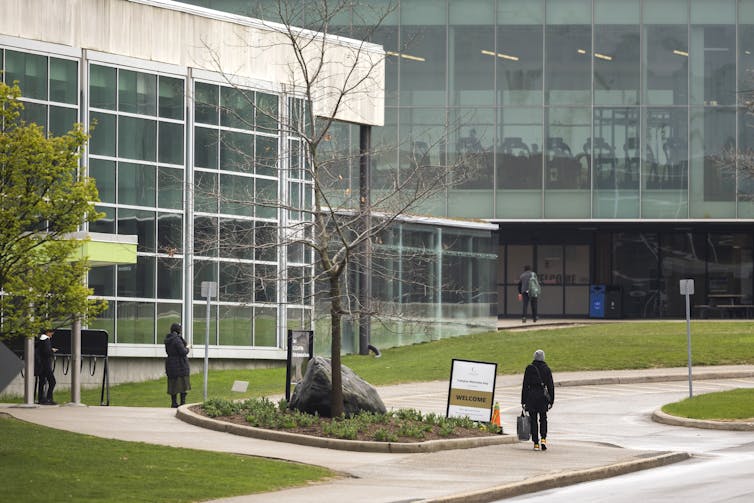
International students in Canada face significant challenges related to housing insecurity, often experiencing discrimination and exploitation in the rental market. With rising rents and low vacancy rates across the country, these students are disproportionately affected by the ongoing housing crisis. Many come from abroad with limited knowledge of local rental practices, small social networks, and inadequate understanding of their rights, rendering them particularly vulnerable to various housing-related issues.
Research conducted by a group of scholars from Toronto Metropolitan University and the University of Alberta highlights the urgent need for a rights and responsibilities approach to student housing. This research team, which includes Rupa Banerjee, Mariam El Toukhy, Jack Krywulak, Rushde Akbar, Sandeep Agrawal, and Pradeep Sangapala, emphasizes the responsibilities of governments and educational institutions in safeguarding the housing rights of international students.
Housing as a Fundamental Right
Housing is widely recognized as a basic human right, yet international students often find themselves unprotected in their search for safe and affordable accommodations. Many face unjust treatment, including blame for exacerbating Canada’s housing crisis. The reality is that the lack of accessible and affordable housing has placed these students at considerable risk. They frequently encounter issues such as overcrowded living conditions, unjust rent increases, forced evictions, and harassment from landlords.
The adverse effects of these housing challenges extend beyond financial strain. Many international students experience increasing mental distress, struggling to meet basic needs such as food and shelter, while also facing barriers to social integration. This combination of vulnerabilities can lead to significant psychological, academic, and financial stress.
Despite Canada’s formal acknowledgment of housing as a basic human right under the National Housing Strategy Act of 2019, many international students are still denied safe and adequate living conditions. The current landscape reveals a disturbing trend: unfairly high rents and unsafe living situations leave these students in precarious situations while they are unjustly blamed for the country’s housing pressures.
Policy Shortcomings and Recommendations
In January 2024, the Canadian federal government implemented a cap on international student visas, limiting them to approximately 360,000. Furthermore, the proposed 2025 budget seeks to reduce study permits by more than half within three years. This approach, rather than addressing the long-standing housing crisis, shifts the blame onto international students, potentially jeopardizing their health, academic success, and future career prospects.
The complexities of government policies affecting student housing contribute to the crisis. These policies involve overlapping jurisdictions, including federal immigration decisions, provincial education mandates, and municipal zoning regulations. Currently, the lack of intergovernmental coordination exacerbates the housing crisis, creating barriers to the development of affordable housing.
The National International Education Strategy (2019–24) has incentivized universities and colleges to increase international student enrollment through grants linked to tuition revenue. While institutional reliance on these fees has grown, housing funding has not been prioritized. This has left a gap in adequate support for international students seeking housing, further complicating their situation.
To effectively tackle these issues, all levels of government must create formal avenues for collaboration. Higher education institutions should take a leading role in developing student housing. Coordinated action is essential to address the policy, infrastructure, and human rights dimensions of the housing crisis.
Research conducted by the team involved semi-structured interviews with 24 international students from 14 countries and an online survey of nearly 1,800 students from Ontario and Alberta. Findings indicate that limited institutional services, combined with ineffective governmental policy coordination, leave international students particularly vulnerable to exploitation and discrimination in housing markets.
Many students rely on digital platforms for housing information, but these avenues often expose them to scams. Reports from students from countries such as Nigeria, China, and Cambodia revealed that numerous listings contain false information and demand exorbitant upfront payments.
There is a clear and pressing need for a more reliable digital infrastructure for student housing. The survey findings further illustrated that international students experience heightened stress, financial anxiety, and negative housing experiences compared to their domestic peers.
The experiences of international students must be prioritized in developing housing policies and services. Higher education institutions are well-positioned to provide resources and guidance to assist these students in navigating the complexities of housing rights and options. Additionally, fostering social integration through community-building opportunities will enhance students’ overall well-being.
Engagement with community organizations and non-governmental organizations can facilitate long-term partnerships focused on shared housing, digital infrastructure, and advocacy for housing rights. There is a pressing need for coordination across immigration, education, and housing policies to create an effective intergovernmental task force dedicated to student housing.
International students contribute significantly to Canada’s cultural and economic landscape. Urgent action is necessary to ensure their rights and well-being are protected, fostering community cohesion and sustainability for the future.

iShares Core Dividend Growth ETF Faces Challenges; Alternatives Suggested

Discover 7 Scenic Hikes Near Calgary to Explore This Spring

Scientists Uncover Life’s Building Blocks in Ryugu Asteroid Samples

Windsor-Essex Unveils New Action Plan to Combat Substance Use

Boost Your Business Visibility with These Local SEO Strategies

East Algoma OPP Urges Public to Limit Travel Amid Hazardous Conditions

Universities Must Rethink Failure to Support Student Growth

Canada Invests $6.4 Million to Boost Green Shipping Corridors

Stony Plain Secures 14th Consecutive Award for Financial Reporting Excellence

Rhythm Pharmaceuticals Reports Strong Q4 Growth Ahead of FDA Decision

Brandon University’s Failed $5 Million Project Sparks Oversight Review

Microsoft Confirms U.S. Law Overrules Canadian Data Sovereignty

Winnipeg Celebrates Culinary Creativity During Le Burger Week 2025

Discover Aritzia’s Latest Fashion Trends: A Comprehensive Review

New SĆIȺNEW̱ SṮEȽIṮḴEȽ Elementary Opens in Langford for 2025/2026 Year

EngineAI Unveils T800 Humanoid Robot, Setting New Industry Standards

Montreal’s Groupe Marcelle Leads Canadian Cosmetic Industry Growth

Tech Innovator Amandipp Singh Transforms Hiring for Disabled

Dragon Ball: Sparking! Zero Launching on Switch and Switch 2 This November

Digg Relaunches as Founders Kevin Rose and Alexis Ohanian Join Forces
-
 Education7 months ago
Brandon University’s Failed $5 Million Project Sparks Oversight Review
-
 Science8 months ago
Microsoft Confirms U.S. Law Overrules Canadian Data Sovereignty
-
 Lifestyle7 months ago
Winnipeg Celebrates Culinary Creativity During Le Burger Week 2025
-
 Lifestyle4 months ago
Discover Aritzia’s Latest Fashion Trends: A Comprehensive Review
-
 Education7 months ago
New SĆIȺNEW̱ SṮEȽIṮḴEȽ Elementary Opens in Langford for 2025/2026 Year
-
 Business4 months ago
EngineAI Unveils T800 Humanoid Robot, Setting New Industry Standards
-
 Health8 months ago
Montreal’s Groupe Marcelle Leads Canadian Cosmetic Industry Growth
-
 Science8 months ago
Tech Innovator Amandipp Singh Transforms Hiring for Disabled
-
 Technology8 months ago
Dragon Ball: Sparking! Zero Launching on Switch and Switch 2 This November
-
 Technology3 months ago
Digg Relaunches as Founders Kevin Rose and Alexis Ohanian Join Forces
-
 Top Stories4 months ago
Canadiens Eye Elias Pettersson: What It Would Cost to Acquire Him
-

 Lifestyle4 weeks ago
Canmore’s Le Fournil Bakery to Close After 14 Successful Years
-

 Health7 months ago
Eganville Leader to Close in 2026 After 123 Years of Reporting
-

 Education8 months ago
Red River College Launches New Programs to Address Industry Needs
-

 Top Stories4 months ago
Nicol Brothers Shine as Wheat Kings Dominate U18 AAA Hockey
-

 Business7 months ago
Rocket Lab Reports Strong Q2 2025 Revenue Growth and Future Plans
-

 Business8 months ago
BNA Brewing to Open New Bowling Alley in Downtown Penticton
-

 Education6 months ago
Alberta Petition Aims to Redirect Funds from Private to Public Schools
-

 Education8 months ago
Alberta Teachers’ Strike: Potential Impacts on Students and Families
-

 Technology6 months ago
Discord Faces Serious Security Breach Affecting Millions
-

 Lifestyle5 months ago
Edmonton’s Beloved Evolution Wonderlounge Closes, New Era Begins
-

 Technology8 months ago
Google Pixel 10 Pro Fold Specs Unveiled Ahead of Launch
-

 Business7 months ago
Iconic Golden Lion Restaurant in South Surrey to Close After 50 Years
-

 Science8 months ago
China’s Wukong Spacesuit Sets New Standard for AI in Space