
Business
Winnipeg Transit Projects $8.5 Million Loss in Fare Revenue

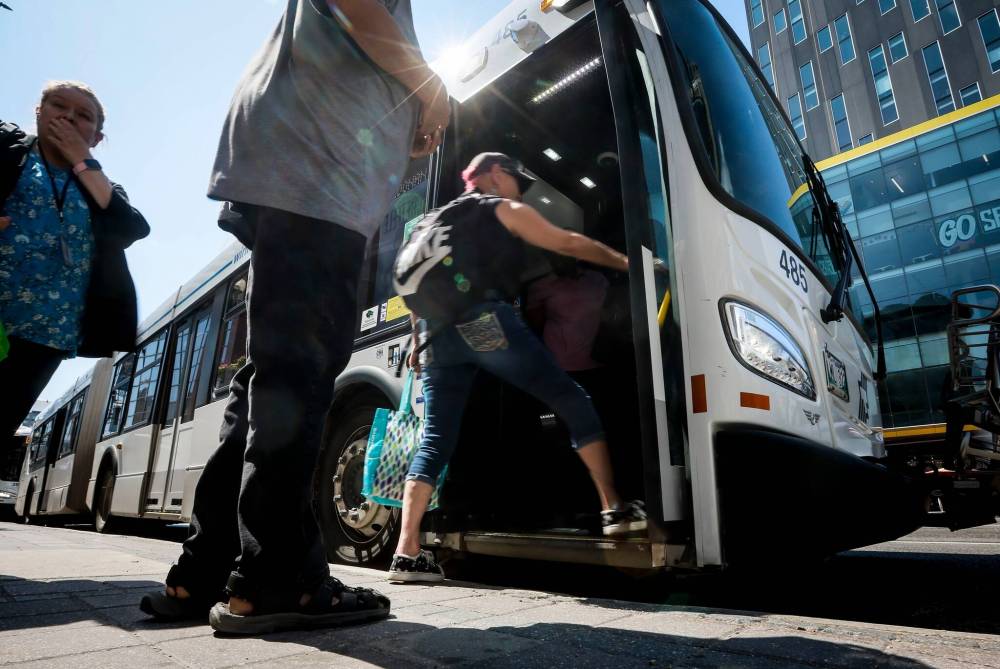
Winnipeg Transit anticipates a significant drop in fare revenue, projecting a loss of $8.5 million compared to budgeted expectations for the current year. The decline is attributed to a noticeable decrease in ridership, which has fallen to 89 percent of pre-pandemic levels reported in 2019. This figure marks a decline from 95 percent of those levels throughout 2024.
During a recent meeting of the public works committee, Laurie Fisher, Winnipeg Transit’s finance manager, highlighted the ongoing challenge of eroding fare revenue. “We did not anticipate the extent to which we have realized lower ridership numbers,” Fisher stated, noting that the drop has been exacerbated by some riders opting not to pay fares. Despite this financial shortfall, Transit expects to conclude the year with a small surplus of $400,000, primarily due to savings in fuel and carbon tax expenses.
Challenges Following New Transit Network Launch
The decline in ridership has raised concerns about the effectiveness of the new primary transit network launched on June 29. Bjorn Radstrom, Transit’s manager of service development, acknowledged that the transition to the new system has not been smooth, leading to numerous complaints from riders about longer travel times, inconvenient stops, and increased transfers.
“After the launch of the new network, we were expecting that we would have a bit of a decline in ridership,” Radstrom explained, suggesting that it may take time for passengers to adjust to the new routes. He also mentioned that a decline in ridership began late last year, indicating that factors beyond the network changes may be at play. Similar trends have been observed in other transit systems, although the reasons remain unclear.
Public safety concerns have emerged as a possible factor contributing to the decrease in ridership. Janice Lukes, chairwoman of the council’s public works committee, suggested that passengers might be deterred by security issues. The Winnipeg Police Service has reported 325 violent crimes at Transit locations in 2024, which has raised alarms among potential riders.
“I’d have to say people are not maybe taking transit as much because they’re concerned about their safety,” Lukes noted. In response, the city and Transit have implemented measures such as deploying community safety officers to patrol buses and bus stops to enhance security.
Impact on Riders and Future Concerns
The revenue shortfall has sparked concern among transit advocates and operators alike. Chris Scott, president of the Amalgamated Transit Union Local 1505, described the revenue loss as both surprising and troubling. He suggested that reductions in late-night services could be contributing to the declining ridership.
Scott warned of a potential “death spiral,” where decreased ridership leads to service cuts, further deterring passengers. “The two of them combined should put the city on notice that something is going to have to be done and going to have to be done soon,” he stated, emphasizing the urgency of the situation.
Students and regular riders have expressed their frustrations regarding the changes. Harleen Deol, a student at the University of Winnipeg, decided to purchase a car after her commute drastically increased from 35 minutes to over an hour due to the new routes. “I no longer rely on the transit system… I’ve lost faith in their ability to run the system properly,” she said, adding that the changes forced her hand.
Another former frequent rider, Taylor Reisdorf, echoed similar sentiments. He noted that his bus commute to work has ballooned from 15-20 minutes to over 40 minutes, leading him to also buy a car. He expressed concern for other riders who may face long waits in the cold without adequate shelter at stops.
With the colder months approaching, the future of Winnipeg Transit hangs in the balance. As officials assess the implications of the recent ridership trends, the need for effective solutions to restore confidence in public transportation becomes increasingly critical. The city will need to address both service reliability and safety to encourage more residents to return to the bus system.

iShares Core Dividend Growth ETF Faces Challenges; Alternatives Suggested

Discover 7 Scenic Hikes Near Calgary to Explore This Spring

Scientists Uncover Life’s Building Blocks in Ryugu Asteroid Samples

Windsor-Essex Unveils New Action Plan to Combat Substance Use

Boost Your Business Visibility with These Local SEO Strategies

East Algoma OPP Urges Public to Limit Travel Amid Hazardous Conditions

Universities Must Rethink Failure to Support Student Growth

Canada Invests $6.4 Million to Boost Green Shipping Corridors

Stony Plain Secures 14th Consecutive Award for Financial Reporting Excellence

Rhythm Pharmaceuticals Reports Strong Q4 Growth Ahead of FDA Decision

Brandon University’s Failed $5 Million Project Sparks Oversight Review

Microsoft Confirms U.S. Law Overrules Canadian Data Sovereignty

Winnipeg Celebrates Culinary Creativity During Le Burger Week 2025

Discover Aritzia’s Latest Fashion Trends: A Comprehensive Review

New SĆIȺNEW̱ SṮEȽIṮḴEȽ Elementary Opens in Langford for 2025/2026 Year

EngineAI Unveils T800 Humanoid Robot, Setting New Industry Standards

Montreal’s Groupe Marcelle Leads Canadian Cosmetic Industry Growth

Tech Innovator Amandipp Singh Transforms Hiring for Disabled

Dragon Ball: Sparking! Zero Launching on Switch and Switch 2 This November

Digg Relaunches as Founders Kevin Rose and Alexis Ohanian Join Forces
-
 Education7 months ago
Brandon University’s Failed $5 Million Project Sparks Oversight Review
-
 Science8 months ago
Microsoft Confirms U.S. Law Overrules Canadian Data Sovereignty
-
 Lifestyle7 months ago
Winnipeg Celebrates Culinary Creativity During Le Burger Week 2025
-
 Lifestyle4 months ago
Discover Aritzia’s Latest Fashion Trends: A Comprehensive Review
-
 Education7 months ago
New SĆIȺNEW̱ SṮEȽIṮḴEȽ Elementary Opens in Langford for 2025/2026 Year
-
 Business4 months ago
EngineAI Unveils T800 Humanoid Robot, Setting New Industry Standards
-
 Health8 months ago
Montreal’s Groupe Marcelle Leads Canadian Cosmetic Industry Growth
-
 Science8 months ago
Tech Innovator Amandipp Singh Transforms Hiring for Disabled
-
 Technology8 months ago
Dragon Ball: Sparking! Zero Launching on Switch and Switch 2 This November
-
 Technology3 months ago
Digg Relaunches as Founders Kevin Rose and Alexis Ohanian Join Forces
-
 Top Stories4 months ago
Canadiens Eye Elias Pettersson: What It Would Cost to Acquire Him
-

 Lifestyle4 weeks ago
Canmore’s Le Fournil Bakery to Close After 14 Successful Years
-

 Health7 months ago
Eganville Leader to Close in 2026 After 123 Years of Reporting
-

 Education8 months ago
Red River College Launches New Programs to Address Industry Needs
-

 Top Stories4 months ago
Nicol Brothers Shine as Wheat Kings Dominate U18 AAA Hockey
-

 Business7 months ago
Rocket Lab Reports Strong Q2 2025 Revenue Growth and Future Plans
-

 Business8 months ago
BNA Brewing to Open New Bowling Alley in Downtown Penticton
-

 Education6 months ago
Alberta Petition Aims to Redirect Funds from Private to Public Schools
-

 Education8 months ago
Alberta Teachers’ Strike: Potential Impacts on Students and Families
-

 Technology6 months ago
Discord Faces Serious Security Breach Affecting Millions
-

 Technology8 months ago
Google Pixel 10 Pro Fold Specs Unveiled Ahead of Launch
-

 Lifestyle5 months ago
Edmonton’s Beloved Evolution Wonderlounge Closes, New Era Begins
-

 Business7 months ago
Iconic Golden Lion Restaurant in South Surrey to Close After 50 Years
-

 Science8 months ago
China’s Wukong Spacesuit Sets New Standard for AI in Space