
Business
Shell and Mitsubishi Consider Selling Stakes in LNG Canada Project

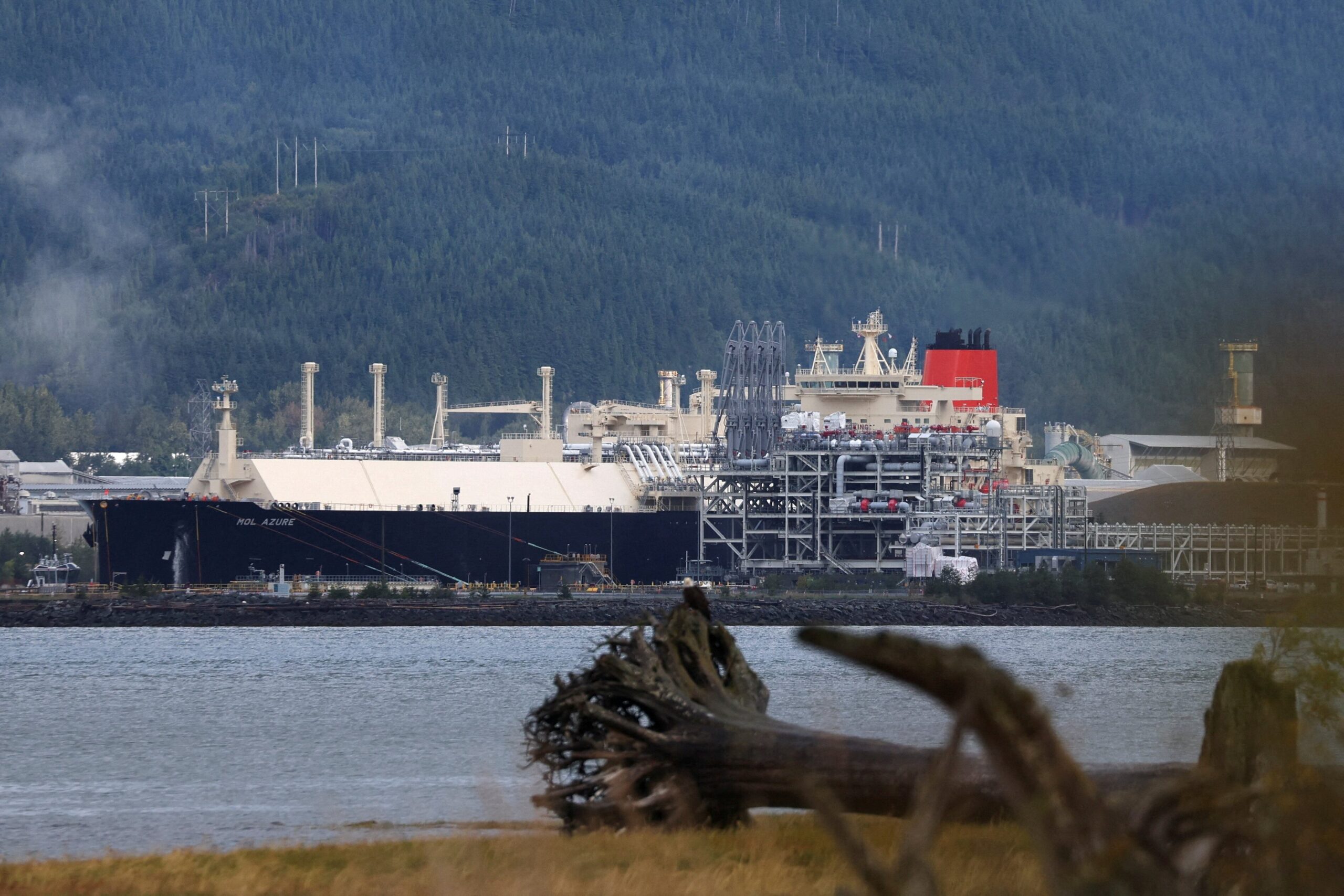
Oil giant Shell and Japanese conglomerate Mitsubishi Corp. are evaluating options to sell their stakes in the $40 billion LNG Canada project, according to sources familiar with the discussions. This consideration arises as project owners contemplate a potential expansion and follow the recent sale of a stake by another participant, Petronas.
Shell, which holds a significant 40 percent stake in LNG Canada, has engaged Rothschild & Co. to gauge interest from potential buyers. Reports indicate that Shell may consider divesting up to 30 percent of its stake. The company is exploring various options regarding its exposure to both the operational Phase 1 and the proposed Phase 2, which carry different levels of risk. One source estimated that a buyer could face a commitment of approximately US$15 billion, factoring in equity, debt, and capital requirements for Phase 2.
Mitsubishi, which owns a 15 percent stake, is also assessing its position and has enlisted RBC Capital Markets for support. However, the sources noted that deliberations are still in the early stages and any sale efforts may not commence until later this year. Details regarding how much of its stake Mitsubishi might consider selling have not been disclosed.
Both companies have not confirmed the sale discussions publicly. LNG Canada directed inquiries to Shell and Mitsubishi, with Shell declining to comment and Mitsubishi unavailable for immediate comment. RBC Capital Markets and Rothschild have also refrained from providing statements.
As interest in LNG continues to grow, recent developments highlight the changing landscape of the energy sector. In December, MidOcean, backed by EIG and Saudi Aramco, acquired a fifth of Petronas’ venture, which held a 25 percent stake in LNG Canada. Other stakeholders include PetroChina, which holds 15 percent, and Korea Gas Corporation, with a 5 percent stake.
Located in Kitimat, British Columbia, LNG Canada represents the first major liquefied natural gas facility in North America with direct access to the Pacific Coast. The project benefits from a supply cost advantage, with Canadian natural gas prices generally lower than the U.S. Henry Hub benchmark. Nevertheless, potential investors must contend with industry concerns regarding a global oversupply of LNG as new production facilities come online.
Since its launch in June, LNG Canada has faced operational challenges, including issues with its second processing unit, known as Train 2. This unit was reportedly offline in December, nearly a month after its startup. Once fully operational, Phase 1 is expected to have a capacity to export 14 million metric tons of LNG annually.
Shell has indicated to prospective buyers that it plans to maintain a gas contract with the terminal for 30 years. It is common for developers of major infrastructure projects to reduce their stakes after operations commence, enabling them to realize profits and reinvest in new opportunities. Large investment firms and infrastructure funds often seek these types of investments due to their stable revenue potential.
In March, Shell announced targets for a 4 to 5 percent annual increase in LNG sales over the next five years and a 1 percent annual growth in production. The company and its partners are working towards a final investment decision for Phase 2, which could double the facility’s capacity, potentially occurring as soon as this year.
As the landscape for liquefied natural gas evolves, the strategic decisions of Shell and Mitsubishi will play a significant role in shaping the future of LNG production and investment in Canada.

iShares Core Dividend Growth ETF Faces Challenges; Alternatives Suggested

Discover 7 Scenic Hikes Near Calgary to Explore This Spring

Scientists Uncover Life’s Building Blocks in Ryugu Asteroid Samples

Windsor-Essex Unveils New Action Plan to Combat Substance Use

Boost Your Business Visibility with These Local SEO Strategies

East Algoma OPP Urges Public to Limit Travel Amid Hazardous Conditions

Universities Must Rethink Failure to Support Student Growth

Canada Invests $6.4 Million to Boost Green Shipping Corridors

Stony Plain Secures 14th Consecutive Award for Financial Reporting Excellence

Rhythm Pharmaceuticals Reports Strong Q4 Growth Ahead of FDA Decision

Brandon University’s Failed $5 Million Project Sparks Oversight Review

Microsoft Confirms U.S. Law Overrules Canadian Data Sovereignty

Discover Aritzia’s Latest Fashion Trends: A Comprehensive Review

Winnipeg Celebrates Culinary Creativity During Le Burger Week 2025

New SĆIȺNEW̱ SṮEȽIṮḴEȽ Elementary Opens in Langford for 2025/2026 Year

EngineAI Unveils T800 Humanoid Robot, Setting New Industry Standards

Montreal’s Groupe Marcelle Leads Canadian Cosmetic Industry Growth

Tech Innovator Amandipp Singh Transforms Hiring for Disabled

Dragon Ball: Sparking! Zero Launching on Switch and Switch 2 This November

Canmore’s Le Fournil Bakery to Close After 14 Successful Years
-
 Education7 months ago
Brandon University’s Failed $5 Million Project Sparks Oversight Review
-
 Science8 months ago
Microsoft Confirms U.S. Law Overrules Canadian Data Sovereignty
-
 Lifestyle4 months ago
Discover Aritzia’s Latest Fashion Trends: A Comprehensive Review
-
 Lifestyle8 months ago
Winnipeg Celebrates Culinary Creativity During Le Burger Week 2025
-
 Education8 months ago
New SĆIȺNEW̱ SṮEȽIṮḴEȽ Elementary Opens in Langford for 2025/2026 Year
-
 Business4 months ago
EngineAI Unveils T800 Humanoid Robot, Setting New Industry Standards
-
 Health8 months ago
Montreal’s Groupe Marcelle Leads Canadian Cosmetic Industry Growth
-
 Science8 months ago
Tech Innovator Amandipp Singh Transforms Hiring for Disabled
-
 Technology8 months ago
Dragon Ball: Sparking! Zero Launching on Switch and Switch 2 This November
-
 Lifestyle1 month ago
Canmore’s Le Fournil Bakery to Close After 14 Successful Years
-

 Technology3 months ago
Digg Relaunches as Founders Kevin Rose and Alexis Ohanian Join Forces
-
 Top Stories4 months ago
Canadiens Eye Elias Pettersson: What It Would Cost to Acquire Him
-

 Health7 months ago
Eganville Leader to Close in 2026 After 123 Years of Reporting
-

 Education8 months ago
Red River College Launches New Programs to Address Industry Needs
-

 Top Stories4 months ago
Nicol Brothers Shine as Wheat Kings Dominate U18 AAA Hockey
-

 Business8 months ago
BNA Brewing to Open New Bowling Alley in Downtown Penticton
-

 Business7 months ago
Rocket Lab Reports Strong Q2 2025 Revenue Growth and Future Plans
-

 Lifestyle5 months ago
Edmonton’s Beloved Evolution Wonderlounge Closes, New Era Begins
-

 Education6 months ago
Alberta Petition Aims to Redirect Funds from Private to Public Schools
-

 Education8 months ago
Alberta Teachers’ Strike: Potential Impacts on Students and Families
-

 Technology6 months ago
Discord Faces Serious Security Breach Affecting Millions
-

 Technology8 months ago
Google Pixel 10 Pro Fold Specs Unveiled Ahead of Launch
-

 Business8 months ago
Iconic Golden Lion Restaurant in South Surrey to Close After 50 Years
-

 Lifestyle6 months ago
Canadian Author Secures Funding to Write Book Without Financial Strain