
Business
Saudi Arabia Takes Unusual Step to Sell Crude Amid Shipping Crisis

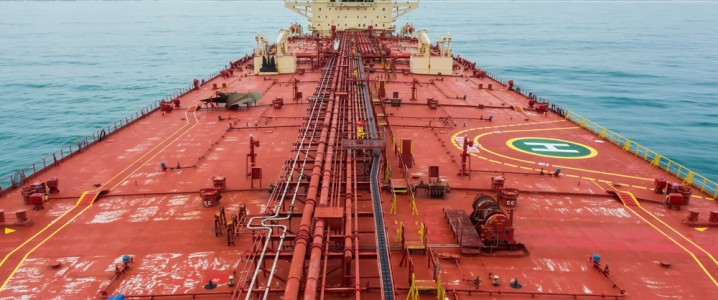
Saudi Arabia has made a significant move in the crude oil market by offering approximately 4.6 million barrels of various grades, including Arab Extra Light, Arab Heavy, and Arab Light. This action comes as tanker traffic in the Strait of Hormuz has almost come to a standstill due to ongoing regional conflicts, according to a report by Bloomberg citing unnamed trading sources.
The disruption has left several hundred tankers stranded in the Persian Gulf. On a recent Saturday, only three vessels managed to transit the Strait, with just one being an oil tanker. This marks a dramatic decrease from a seven-day average of 13.43 vessels and a stark decline from around 100 vessels per day prior to the escalation of military actions in the area.
Rerouting Oil Exports to the Red Sea
In response to the shipping crisis, Saudi Arabia has begun rerouting its oil exports from the Persian Gulf to the Red Sea through a pipeline. This shift allows the kingdom to maintain its export levels despite the inability to fulfill its usual long-term contracts. Since the beginning of March, Saudi export shipments from Yanbu on the west coast have surged to an average of 2.3 million barrels per day, which is 50% above the average daily levels recorded since late 2016.
The increase in production appears to be linked to Saudi Arabia’s anticipation of potential strikes by the U.S. and Israel against Iran. It was initially assumed that such military actions would not significantly disrupt maritime traffic. However, the reality on the ground has proven otherwise, prompting the kingdom to adapt its strategies swiftly.
Ongoing Threats and Market Reactions
In addition to the shipping disruptions, Saudi Arabia’s defense ministry reported having intercepted several drones targeting the Shaybah oil field. This incident underscores the ongoing threats to oil infrastructure in the region, believed to be part of a broader campaign by Iran.
The resulting volatility in the oil market has seen prices for both Brent crude and WTI rise above $100 per barrel, reaching multi-year highs. The supply constraints have led the G7 nations to consider a coordinated release of oil from their OECD stockpiles as a measure to stabilize the market.
As the situation develops, the international oil community watches closely, aware that these dynamics could have far-reaching implications for global energy prices and supply chains.

iShares Core Dividend Growth ETF Faces Challenges; Alternatives Suggested

Discover 7 Scenic Hikes Near Calgary to Explore This Spring

Scientists Uncover Life’s Building Blocks in Ryugu Asteroid Samples

Windsor-Essex Unveils New Action Plan to Combat Substance Use

Boost Your Business Visibility with These Local SEO Strategies

East Algoma OPP Urges Public to Limit Travel Amid Hazardous Conditions

Universities Must Rethink Failure to Support Student Growth

Canada Invests $6.4 Million to Boost Green Shipping Corridors

Stony Plain Secures 14th Consecutive Award for Financial Reporting Excellence

Rhythm Pharmaceuticals Reports Strong Q4 Growth Ahead of FDA Decision

Brandon University’s Failed $5 Million Project Sparks Oversight Review

Microsoft Confirms U.S. Law Overrules Canadian Data Sovereignty

Winnipeg Celebrates Culinary Creativity During Le Burger Week 2025

Discover Aritzia’s Latest Fashion Trends: A Comprehensive Review

New SĆIȺNEW̱ SṮEȽIṮḴEȽ Elementary Opens in Langford for 2025/2026 Year

EngineAI Unveils T800 Humanoid Robot, Setting New Industry Standards

Montreal’s Groupe Marcelle Leads Canadian Cosmetic Industry Growth

Tech Innovator Amandipp Singh Transforms Hiring for Disabled

Dragon Ball: Sparking! Zero Launching on Switch and Switch 2 This November

Digg Relaunches as Founders Kevin Rose and Alexis Ohanian Join Forces
-
 Education7 months ago
Brandon University’s Failed $5 Million Project Sparks Oversight Review
-
 Science8 months ago
Microsoft Confirms U.S. Law Overrules Canadian Data Sovereignty
-
 Lifestyle7 months ago
Winnipeg Celebrates Culinary Creativity During Le Burger Week 2025
-
 Lifestyle4 months ago
Discover Aritzia’s Latest Fashion Trends: A Comprehensive Review
-
 Education7 months ago
New SĆIȺNEW̱ SṮEȽIṮḴEȽ Elementary Opens in Langford for 2025/2026 Year
-
 Business4 months ago
EngineAI Unveils T800 Humanoid Robot, Setting New Industry Standards
-
 Health8 months ago
Montreal’s Groupe Marcelle Leads Canadian Cosmetic Industry Growth
-
 Science8 months ago
Tech Innovator Amandipp Singh Transforms Hiring for Disabled
-
 Technology8 months ago
Dragon Ball: Sparking! Zero Launching on Switch and Switch 2 This November
-
 Technology3 months ago
Digg Relaunches as Founders Kevin Rose and Alexis Ohanian Join Forces
-
 Top Stories4 months ago
Canadiens Eye Elias Pettersson: What It Would Cost to Acquire Him
-

 Lifestyle4 weeks ago
Canmore’s Le Fournil Bakery to Close After 14 Successful Years
-

 Health7 months ago
Eganville Leader to Close in 2026 After 123 Years of Reporting
-

 Education8 months ago
Red River College Launches New Programs to Address Industry Needs
-

 Top Stories4 months ago
Nicol Brothers Shine as Wheat Kings Dominate U18 AAA Hockey
-

 Business7 months ago
Rocket Lab Reports Strong Q2 2025 Revenue Growth and Future Plans
-

 Business8 months ago
BNA Brewing to Open New Bowling Alley in Downtown Penticton
-

 Education6 months ago
Alberta Petition Aims to Redirect Funds from Private to Public Schools
-

 Education8 months ago
Alberta Teachers’ Strike: Potential Impacts on Students and Families
-

 Technology6 months ago
Discord Faces Serious Security Breach Affecting Millions
-

 Technology8 months ago
Google Pixel 10 Pro Fold Specs Unveiled Ahead of Launch
-

 Lifestyle5 months ago
Edmonton’s Beloved Evolution Wonderlounge Closes, New Era Begins
-

 Business7 months ago
Iconic Golden Lion Restaurant in South Surrey to Close After 50 Years
-

 Science8 months ago
China’s Wukong Spacesuit Sets New Standard for AI in Space