
Business
NDP Faces Tough Choices as Parliament Votes on Key Budget

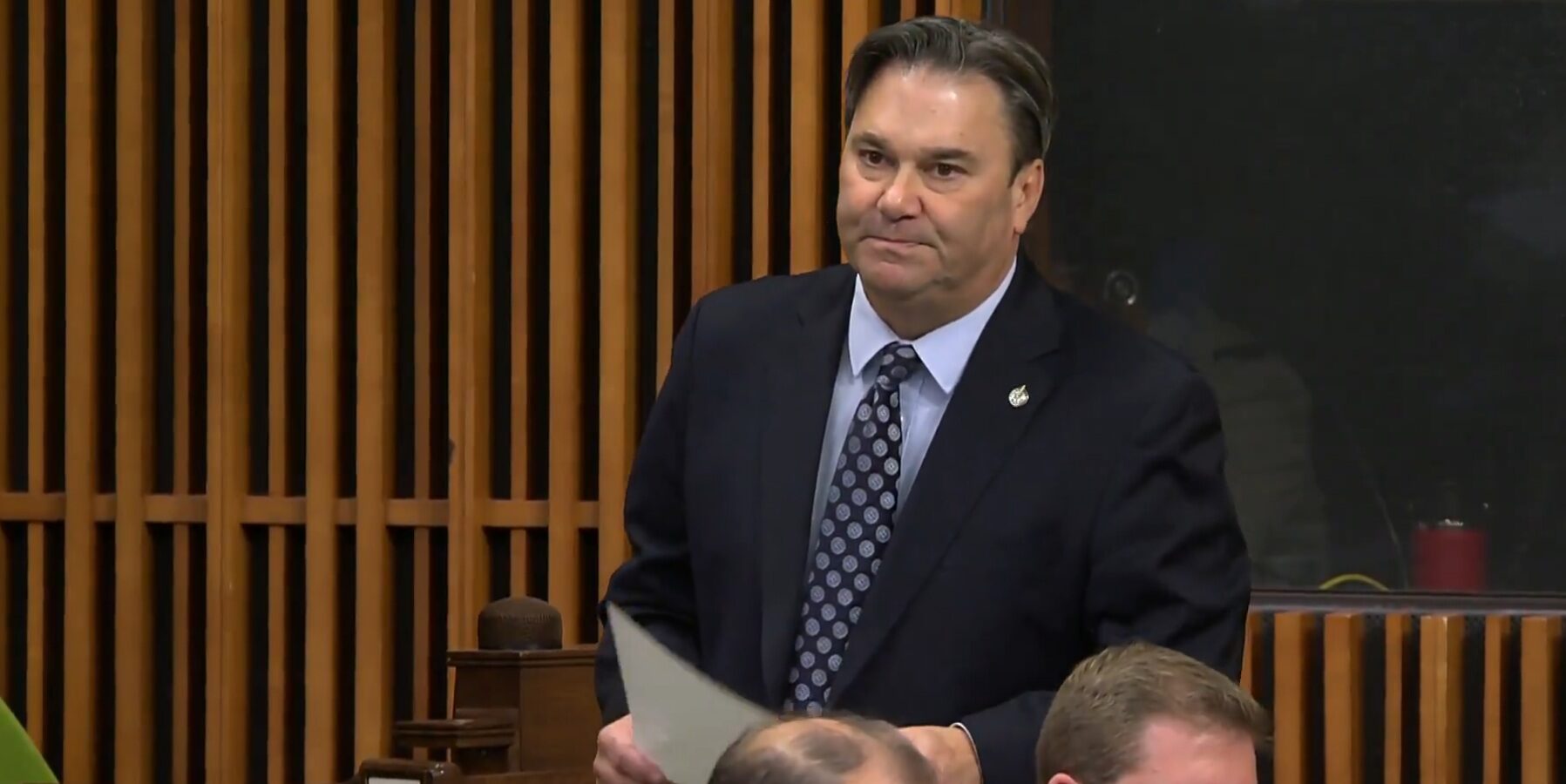
Parliament is set to vote today on the first budget presented by the government led by Prime Minister Mark Carney. The outcome of this vote carries significant implications; a rejection would indicate a loss of confidence in Carney’s government, potentially leading to a federal election just eight months after the last one. Currently, the government is two seats shy of a majority, a decrease from three following the defection of Conservative MP Chris d’Entremont.
Both the official opposition, the Conservative Party, and the Bloc Québécois have declared their intention to vote against the budget. This leaves the seven New Democratic Party (NDP) MPs and Green Party leader Elizabeth May as key players in determining the budget’s fate. May has indicated her current stance as a ‘Nay’ voter but is in discussions with senior Liberals to explore potential compromises that might lead to her support.
The Liberal government has made it clear that amending the budget is not an option at this stage. Any concessions offered to May and her supporters would need to be non-legislative. One possibility could involve commitments regarding the government’s environmental agenda and initiatives to tackle climate change.
Strategic Considerations for the NDP
The NDP faces a complex dilemma. With a leadership election not scheduled until March 2025 and the party grappling with significant debt, there is little appetite for an immediate election. Don Davies, the NDP’s interim leader, has been effectively managing the party’s operations, but leading a campaign in a snap election would present unique challenges. Davies, who represents a Vancouver constituency, has limited proficiency in French—an essential requirement for national leaders in Canada. This limitation could hinder his ability to engage fully in the electoral process, including French-language debates and interactions with francophone media.
There are also substantive grounds for the NDP to oppose the budget. Various groups, including environmental, labor, and Indigenous organizations, have expressed their discontent with the proposed fiscal policies. While the budget outlines commitments towards housing, even supportive voices, such as economist Mike Moffatt, contend that these measures fall short of addressing the pressing needs of Canadians.
Budget Highlights and Public Sentiment
The budget primarily focuses on reallocating federal funds towards military enhancements and incentivizing industry investments in projects identified by PM Carney as vital for national development. In advance of the budget, Carney had already restricted his fiscal options by reducing taxes, which he frames as a benefit for low- and middle-income Canadians. However, this tax cut, which lowers the marginal tax rate by one percent, also extends benefits to wealthier Canadians. Notably, individuals unable to pay taxes will see no relief, while the government has cancelled a planned increase in the capital gains inclusion rate for high-income earners.
While the government’s approach addresses immediate economic challenges, including tariffs and external pressures from the United States, critics argue it disproportionately favors the wealthy over those in need. Historically, similar situations, such as during the finance ministry of Paul Martin in the 1990s, have prompted calls for wealthier Canadians to contribute their fair share during economic downturns.
Public sentiment appears to lean against another election at this time. Many Canadians are wary of the potential disruptions an early election could bring. Although some within the NDP may hope for a chance to regain official party status by winning more seats, the reality remains that they risk losing ground.
Given these considerations, the NDP may have no viable option but to allow the budget to pass, possibly through abstentions or strategic absences. This does not imply the party will cease its opposition to the budget; rather, it reflects a tactical decision to preserve their strength for future challenges. As Parliament grapples with these pressing issues, the outcome of today’s vote will undoubtedly shape the political landscape in Canada for months to come.

Canadian Growers Fund 11 Canola Research Projects for 2026

Elevate Your Pilates Practice with Essential Accessories

Microsoft Partners with Anthropic to Enhance Copilot AI Experience

Ottawa Invests Over $900 Million in Defence and Aerospace Innovation

Ottawa Adult High School Students React to Curriculum Overhaul

Western Asset Premier Bond Fund Offers Attractive Entry Point

CTV Lions Children’s Christmas Telethon Raises Over $357,000

Stars of “Heated Rivalry” Denounce Toxic Fan Behavior

Mineralys Therapeutics Soars as FDA Greenlights Blood Pressure Drug

Meta’s Oversight Board Calls for Major Overhaul of Deepfake Detection

Brandon University’s Failed $5 Million Project Sparks Oversight Review

Microsoft Confirms U.S. Law Overrules Canadian Data Sovereignty

Winnipeg Celebrates Culinary Creativity During Le Burger Week 2025

Montreal’s Groupe Marcelle Leads Canadian Cosmetic Industry Growth

EngineAI Unveils T800 Humanoid Robot, Setting New Industry Standards

New SĆIȺNEW̱ SṮEȽIṮḴEȽ Elementary Opens in Langford for 2025/2026 Year

Tech Innovator Amandipp Singh Transforms Hiring for Disabled

Dragon Ball: Sparking! Zero Launching on Switch and Switch 2 This November

Digg Relaunches as Founders Kevin Rose and Alexis Ohanian Join Forces

Canadiens Eye Elias Pettersson: What It Would Cost to Acquire Him
-
 Education6 months ago
Brandon University’s Failed $5 Million Project Sparks Oversight Review
-
 Science7 months ago
Microsoft Confirms U.S. Law Overrules Canadian Data Sovereignty
-
 Lifestyle6 months ago
Winnipeg Celebrates Culinary Creativity During Le Burger Week 2025
-
 Health7 months ago
Montreal’s Groupe Marcelle Leads Canadian Cosmetic Industry Growth
-
 Business3 months ago
EngineAI Unveils T800 Humanoid Robot, Setting New Industry Standards
-
 Education7 months ago
New SĆIȺNEW̱ SṮEȽIṮḴEȽ Elementary Opens in Langford for 2025/2026 Year
-
 Science7 months ago
Tech Innovator Amandipp Singh Transforms Hiring for Disabled
-
 Technology7 months ago
Dragon Ball: Sparking! Zero Launching on Switch and Switch 2 This November
-
 Technology2 months ago
Digg Relaunches as Founders Kevin Rose and Alexis Ohanian Join Forces
-
Top Stories3 months ago
Canadiens Eye Elias Pettersson: What It Would Cost to Acquire Him
-

 Health6 months ago
Eganville Leader to Close in 2026 After 123 Years of Reporting
-

 Education7 months ago
Red River College Launches New Programs to Address Industry Needs
-

 Business6 months ago
Rocket Lab Reports Strong Q2 2025 Revenue Growth and Future Plans
-

 Business7 months ago
BNA Brewing to Open New Bowling Alley in Downtown Penticton
-

 Technology7 months ago
Google Pixel 10 Pro Fold Specs Unveiled Ahead of Launch
-

 Technology5 months ago
Discord Faces Serious Security Breach Affecting Millions
-

 Education7 months ago
Alberta Teachers’ Strike: Potential Impacts on Students and Families
-

 Top Stories3 months ago
Nicol Brothers Shine as Wheat Kings Dominate U18 AAA Hockey
-

 Science7 months ago
China’s Wukong Spacesuit Sets New Standard for AI in Space
-

 Lifestyle5 months ago
Canadian Author Secures Funding to Write Book Without Financial Strain
-

 Business7 months ago
Iconic Golden Lion Restaurant in South Surrey to Close After 50 Years
-

 Lifestyle3 months ago
Discover Aritzia’s Latest Fashion Trends: A Comprehensive Review
-

 Business7 months ago
New Estimates Reveal ChatGPT-5 Energy Use Could Soar
-

 Business7 months ago
Dawson City Residents Rally Around Buy Canadian Movement