
Business
Historic Hudson’s Bay Charter Secured for Public Display

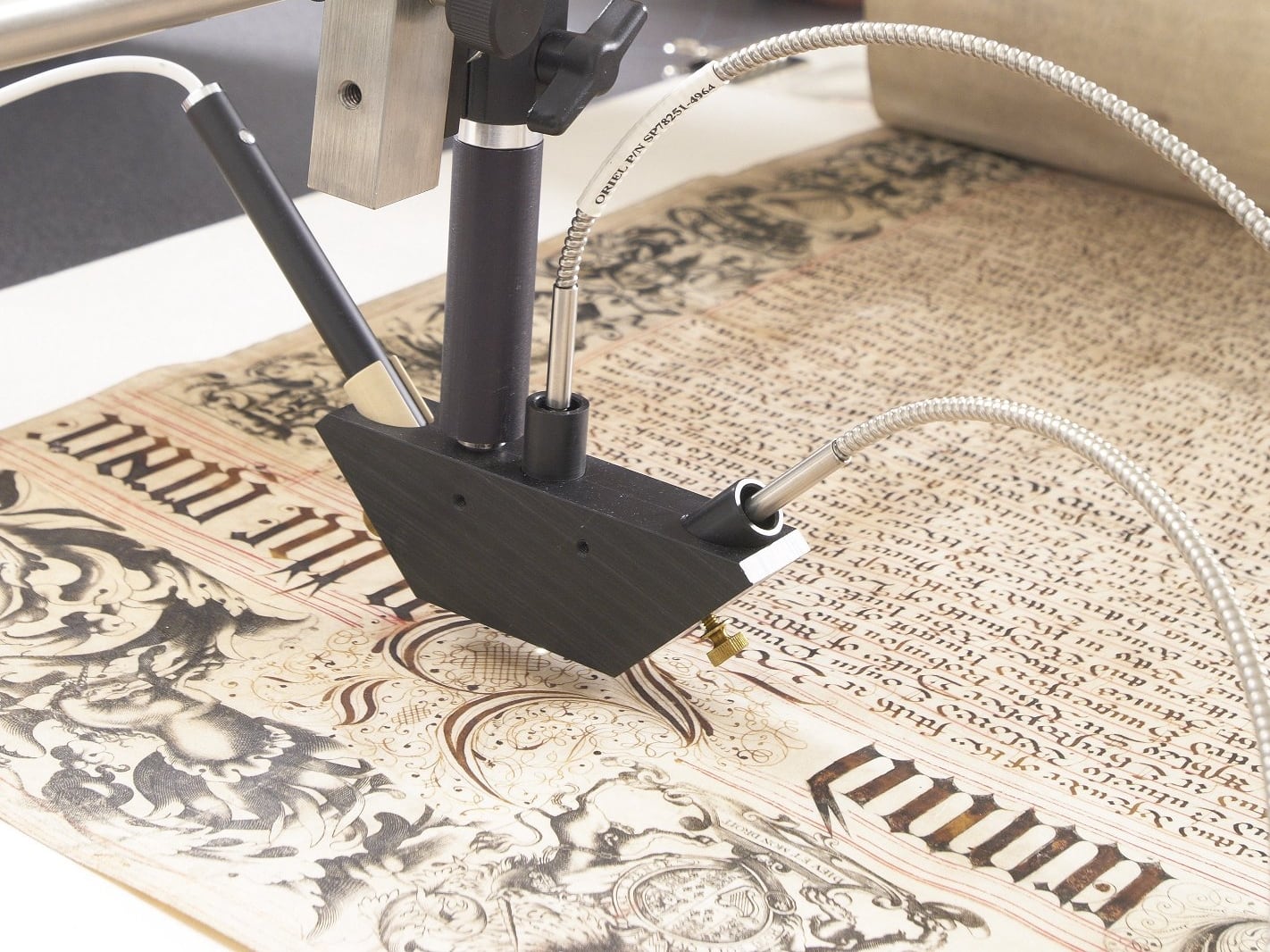
At the Archives of Manitoba, a significant chapter in Canadian history is poised for preservation. The historic 1670 Royal Charter of the Hudson’s Bay Company (HBC) has been secured through a joint bid amounting to $18 million from two prominent Canadian families, the Thomsons and the Westons. This pivotal document, which granted HBC a trading monopoly over nearly one-third of present-day Canada, will soon be accessible to the public for the first time.
The charter, which has been hidden away for centuries in private boardrooms and storage facilities in Canada and the UK, is now set to be housed at the Archives of Manitoba, alongside the Manitoba Museum, the Canadian Museum of History, and the Royal Ontario Museum. The agreement was finalized following a ruling from an Ontario court, ending a period of uncertainty after the HBC considered auctioning the charter as part of its insolvency proceedings linked to a debt of approximately $1.1 billion.
This acquisition alleviates fears that the charter could have ended up in a private collection, as noted by Amelia Fay, director of research, collection and exhibitions at the Manitoba Museum. “The fear was real that it could have ended up in a private auction… and no one gets to see it ever again,” she explained.
Preservation Efforts and Historical Significance
The preservation of the charter is not merely about safeguarding a document; it represents a significant part of Canada’s history, particularly regarding its colonial past. Kathleen Epp, keeper of the Hudson’s Bay Archives, emphasized the charter’s role in the narrative of King Charles II claiming territory without Indigenous consent. “It’s right there. And isn’t that why we need to preserve it?” she stated.
Conservationists at the archives are preparing for the charter’s arrival, ensuring that it will be kept in optimal conditions to prevent damage. The Canadian Conservation Institute will conduct a thorough assessment of the charter’s condition, which was last evaluated in 2012. According to Monique Benoit, manager of treatment and collection care at the institute, while parchment is resilient, it is sensitive to humidity fluctuations.
The well-being of the charter is of utmost importance, particularly given its turbulent history. After being used as security for loans in the late 17th century, the charter survived threats from wartime bombings and questionable conservation practices that have previously compromised its integrity.
Future Display and Community Engagement
The charter’s future display is still being determined. The donation from the Thomsons and Westons also includes an additional $5 million, part of which will fund consultations with Indigenous leaders to ensure appropriate engagement and representation in its presentation.
Fay expressed the need for broader consultations in the charter’s upcoming display, noting, “This document unlocks the door to that. This is the start of it all.” The partnership with Indigenous communities reflects a shift towards addressing Canada’s complex colonial history.
A digital index launched by the archives currently features around 65,000 entries that trace the transactions and movements of Indigenous peoples, providing invaluable context to the HBC’s historical records.
While some, like Douglas Sanderson, a professor at the University of Toronto, question the charter’s significance, arguing it represents a narrative that may overlook Indigenous perspectives, the overall initiative to preserve and display the charter is seen as a crucial step toward truth and reconciliation.
As discussions unfold about the charter’s display, its journey through various institutions will be closely monitored. The collaborative effort to safeguard this pivotal piece of history underscores the importance of acknowledging the complexities of Canada’s past and the ongoing need for reconciliation with Indigenous communities.

iShares Core Dividend Growth ETF Faces Challenges; Alternatives Suggested

Discover 7 Scenic Hikes Near Calgary to Explore This Spring

Scientists Uncover Life’s Building Blocks in Ryugu Asteroid Samples

Windsor-Essex Unveils New Action Plan to Combat Substance Use

Boost Your Business Visibility with These Local SEO Strategies

East Algoma OPP Urges Public to Limit Travel Amid Hazardous Conditions

Universities Must Rethink Failure to Support Student Growth

Canada Invests $6.4 Million to Boost Green Shipping Corridors

Stony Plain Secures 14th Consecutive Award for Financial Reporting Excellence

Rhythm Pharmaceuticals Reports Strong Q4 Growth Ahead of FDA Decision

Brandon University’s Failed $5 Million Project Sparks Oversight Review

Microsoft Confirms U.S. Law Overrules Canadian Data Sovereignty

Discover Aritzia’s Latest Fashion Trends: A Comprehensive Review

Winnipeg Celebrates Culinary Creativity During Le Burger Week 2025

New SĆIȺNEW̱ SṮEȽIṮḴEȽ Elementary Opens in Langford for 2025/2026 Year

EngineAI Unveils T800 Humanoid Robot, Setting New Industry Standards

Montreal’s Groupe Marcelle Leads Canadian Cosmetic Industry Growth

Tech Innovator Amandipp Singh Transforms Hiring for Disabled

Dragon Ball: Sparking! Zero Launching on Switch and Switch 2 This November

Canmore’s Le Fournil Bakery to Close After 14 Successful Years
-
 Education7 months ago
Brandon University’s Failed $5 Million Project Sparks Oversight Review
-
 Science8 months ago
Microsoft Confirms U.S. Law Overrules Canadian Data Sovereignty
-
 Lifestyle4 months ago
Discover Aritzia’s Latest Fashion Trends: A Comprehensive Review
-
 Lifestyle8 months ago
Winnipeg Celebrates Culinary Creativity During Le Burger Week 2025
-
 Education8 months ago
New SĆIȺNEW̱ SṮEȽIṮḴEȽ Elementary Opens in Langford for 2025/2026 Year
-
 Business4 months ago
EngineAI Unveils T800 Humanoid Robot, Setting New Industry Standards
-
 Health8 months ago
Montreal’s Groupe Marcelle Leads Canadian Cosmetic Industry Growth
-
 Science8 months ago
Tech Innovator Amandipp Singh Transforms Hiring for Disabled
-
 Technology8 months ago
Dragon Ball: Sparking! Zero Launching on Switch and Switch 2 This November
-
 Lifestyle1 month ago
Canmore’s Le Fournil Bakery to Close After 14 Successful Years
-

 Technology3 months ago
Digg Relaunches as Founders Kevin Rose and Alexis Ohanian Join Forces
-
 Top Stories4 months ago
Canadiens Eye Elias Pettersson: What It Would Cost to Acquire Him
-

 Health7 months ago
Eganville Leader to Close in 2026 After 123 Years of Reporting
-

 Education8 months ago
Red River College Launches New Programs to Address Industry Needs
-

 Top Stories4 months ago
Nicol Brothers Shine as Wheat Kings Dominate U18 AAA Hockey
-

 Business8 months ago
BNA Brewing to Open New Bowling Alley in Downtown Penticton
-

 Business7 months ago
Rocket Lab Reports Strong Q2 2025 Revenue Growth and Future Plans
-

 Lifestyle5 months ago
Edmonton’s Beloved Evolution Wonderlounge Closes, New Era Begins
-

 Education6 months ago
Alberta Petition Aims to Redirect Funds from Private to Public Schools
-

 Education8 months ago
Alberta Teachers’ Strike: Potential Impacts on Students and Families
-

 Technology6 months ago
Discord Faces Serious Security Breach Affecting Millions
-

 Technology8 months ago
Google Pixel 10 Pro Fold Specs Unveiled Ahead of Launch
-

 Business8 months ago
Iconic Golden Lion Restaurant in South Surrey to Close After 50 Years
-

 Lifestyle6 months ago
Canadian Author Secures Funding to Write Book Without Financial Strain