
Business
Eby’s Budget Crisis: B.C. Faces Years of Fiscal Recovery

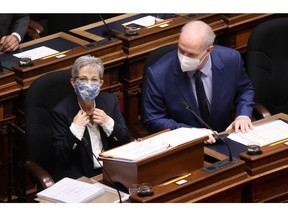
British Columbia is grappling with a significant budget crisis, as fiscal mismanagement under Premier David Eby has resulted in record-setting deficits. Since taking office in November 2022, Eby has faced challenges that have left the province in a precarious financial situation, with projections indicating that recovery may take several years.
Budgetary Shifts and Leadership Changes
The turning point in the management of B.C.’s budget occurred on February 25, 2022, when former Premier John Horgan issued a cabinet order that removed Eby from the Treasury Board. Officially, the decision was framed as an effort to reduce Eby’s workload while he served as Attorney General and Minister of Housing. However, internal sources suggested that ongoing tensions between Eby and Finance Minister Selina Robinson influenced the change. Horgan reportedly preferred Robinson’s approach to fiscal discipline, a sentiment shaped by lessons learned during the NDP government’s earlier years.
Despite having a strong political background, Eby’s tenure on the Treasury Board was deemed unproductive after just 14 months. Robinson presented what would be her final budget, forecasting a $5.7 billion surplus for the fiscal year ending March 31, 2023. Shortly after Eby’s ascent to premiership, Robinson was demoted from her finance role to Minister of Post-Secondary Education, with Katrine Conroy stepping into the position. Under Eby’s direction, Conroy utilized the surplus, leading to significant deficits that have since put pressure on the province’s finances.
Failed Fiscal Strategies and Future Implications
As Eby continued to navigate his leadership, his policies demonstrated a sharp divergence from those of his predecessor. The new finance minister, Conroy, lacked the autonomy to make substantial decisions, as Eby centralized control over financial matters. This shift marked a departure from Horgan’s more collaborative approach. As a result, the province plunged deeper into debt, with new records set for deficits and interest payments.
“We have a systemic deficit that we have to adjust. If we don’t, it will go on in perpetuity,”
warned Deputy Finance Minister Douglas Scott during an April town hall meeting. Eby himself acknowledged the need for fiscal restraint, urging public sector workers to temper expectations during contract negotiations. However, by the fall, he approved a $4 billion increase to the public sector bargaining mandate, prioritizing political gains over financial responsibility.
The current landscape sees the New Democratic Party (NDP) returning to calls for financial restraint, with Conroy now predicting a challenging budget that may earn her unpopularity among constituents. Eby’s administration now faces the daunting task of rectifying a fiscal situation that many describe as unsustainable.
In reflecting on Eby’s fiscal performance, Horgan noted in a memoir that under his leadership, the NDP successfully managed finances and eliminated the narrative that they could not handle budgets effectively. He credited Carole James, his former finance minister, for creating surpluses that allowed the province to pay down debt. This legacy of fiscal responsibility stands in stark contrast to the current administration’s trajectory.
With the challenges ahead, analysts suggest that restoring B.C.’s finances to a stable level will require substantial effort and a commitment to prudent fiscal policies. As the province moves forward, the impact of Eby’s decisions will be felt for years to come, shaping the economic landscape of British Columbia.

iShares Core Dividend Growth ETF Faces Challenges; Alternatives Suggested

Discover 7 Scenic Hikes Near Calgary to Explore This Spring

Scientists Uncover Life’s Building Blocks in Ryugu Asteroid Samples

Windsor-Essex Unveils New Action Plan to Combat Substance Use

Boost Your Business Visibility with These Local SEO Strategies

East Algoma OPP Urges Public to Limit Travel Amid Hazardous Conditions

Universities Must Rethink Failure to Support Student Growth

Canada Invests $6.4 Million to Boost Green Shipping Corridors

Stony Plain Secures 14th Consecutive Award for Financial Reporting Excellence

Rhythm Pharmaceuticals Reports Strong Q4 Growth Ahead of FDA Decision

Brandon University’s Failed $5 Million Project Sparks Oversight Review

Microsoft Confirms U.S. Law Overrules Canadian Data Sovereignty

Winnipeg Celebrates Culinary Creativity During Le Burger Week 2025

Discover Aritzia’s Latest Fashion Trends: A Comprehensive Review

New SĆIȺNEW̱ SṮEȽIṮḴEȽ Elementary Opens in Langford for 2025/2026 Year

EngineAI Unveils T800 Humanoid Robot, Setting New Industry Standards

Montreal’s Groupe Marcelle Leads Canadian Cosmetic Industry Growth

Tech Innovator Amandipp Singh Transforms Hiring for Disabled

Dragon Ball: Sparking! Zero Launching on Switch and Switch 2 This November

Digg Relaunches as Founders Kevin Rose and Alexis Ohanian Join Forces
-
 Education7 months ago
Brandon University’s Failed $5 Million Project Sparks Oversight Review
-
 Science8 months ago
Microsoft Confirms U.S. Law Overrules Canadian Data Sovereignty
-
 Lifestyle7 months ago
Winnipeg Celebrates Culinary Creativity During Le Burger Week 2025
-
 Lifestyle4 months ago
Discover Aritzia’s Latest Fashion Trends: A Comprehensive Review
-
 Education7 months ago
New SĆIȺNEW̱ SṮEȽIṮḴEȽ Elementary Opens in Langford for 2025/2026 Year
-
 Business4 months ago
EngineAI Unveils T800 Humanoid Robot, Setting New Industry Standards
-
 Health8 months ago
Montreal’s Groupe Marcelle Leads Canadian Cosmetic Industry Growth
-
 Science8 months ago
Tech Innovator Amandipp Singh Transforms Hiring for Disabled
-
 Technology8 months ago
Dragon Ball: Sparking! Zero Launching on Switch and Switch 2 This November
-
 Technology3 months ago
Digg Relaunches as Founders Kevin Rose and Alexis Ohanian Join Forces
-
 Top Stories4 months ago
Canadiens Eye Elias Pettersson: What It Would Cost to Acquire Him
-

 Lifestyle4 weeks ago
Canmore’s Le Fournil Bakery to Close After 14 Successful Years
-

 Health6 months ago
Eganville Leader to Close in 2026 After 123 Years of Reporting
-

 Education8 months ago
Red River College Launches New Programs to Address Industry Needs
-

 Top Stories4 months ago
Nicol Brothers Shine as Wheat Kings Dominate U18 AAA Hockey
-

 Business7 months ago
Rocket Lab Reports Strong Q2 2025 Revenue Growth and Future Plans
-

 Business8 months ago
BNA Brewing to Open New Bowling Alley in Downtown Penticton
-

 Education6 months ago
Alberta Petition Aims to Redirect Funds from Private to Public Schools
-

 Education8 months ago
Alberta Teachers’ Strike: Potential Impacts on Students and Families
-

 Technology6 months ago
Discord Faces Serious Security Breach Affecting Millions
-

 Technology8 months ago
Google Pixel 10 Pro Fold Specs Unveiled Ahead of Launch
-

 Lifestyle5 months ago
Edmonton’s Beloved Evolution Wonderlounge Closes, New Era Begins
-

 Business7 months ago
Iconic Golden Lion Restaurant in South Surrey to Close After 50 Years
-

 Science8 months ago
China’s Wukong Spacesuit Sets New Standard for AI in Space