
Business
Bank of Japan Meeting Sparks Yen Volatility Ahead of Election

The upcoming meeting of the Bank of Japan (BOJ) is poised to create significant fluctuations in the value of the yen as investors anticipate indications regarding future interest rate hikes. With a national election on the horizon, the situation has become increasingly complex. According to a survey conducted by Bloomberg, all 52 economists polled expect the BOJ to maintain the current overnight interest rate at 0.75%, which was adjusted last month to its highest level in three decades.
Despite this recent increase, which has aimed to narrow the interest rate gap with the United States, the yen continues to face downward pressure. Kazuo Ueda, the BOJ Governor, must navigate a delicate balance during his post-meeting press conference. To prevent a potential selloff of the yen, he needs to communicate a clear commitment to future rate increases without committing to an immediate action that could unsettle the markets.
The situation is further complicated by the emergence of Sanae Takaichi, Japan’s Prime Minister, who has publicly criticized the BOJ’s policy of raising rates. Her plans for a snap election, potentially as soon as next month, are contributing to the uncertainty surrounding the currency. Market participants are speculating that a victory for Takaichi could lead to increased government spending and a slower pace of monetary policy normalization by the BOJ.
Data expected to be released on Friday will reveal that Japan’s inflation has consistently exceeded the 2% target for the past four years, suggesting that inflationary pressures are becoming entrenched in the economy. This trend raises concerns among economists, with nearly 60% of those surveyed believing that the BOJ has fallen behind in its monetary policy response. Such sentiments are echoed by Scott Bessent, the US Treasury Secretary, who emphasized the need for coherent monetary policy communication from Japan during discussions on currency volatility with Finance Minister Satsuki Katayama in Washington.
While 68% of analysts predict that the BOJ will increase rates approximately every six months, placing the next potential hike in June or July, concerns persist about the yen’s depreciation. This situation could prompt the BOJ to act sooner than anticipated if inflation continues to escalate due to a weakened currency.
Ueda’s strategy will likely involve sticking to the BOJ’s existing guidance to avoid drawing unnecessary attention to the yen’s fluctuations. He may downplay questions regarding currency values, pointing out that the government ultimately dictates exchange rate policy.
As the central bank gears up for its meeting, economic data from other regions will also contribute to market dynamics. The United States will release key metrics on personal income and spending alongside inflation indicators, which are critical for assessing the Federal Reserve’s monetary policy trajectory. Similarly, Canada will provide insights into inflation trends, with expectations of a modest increase in December.
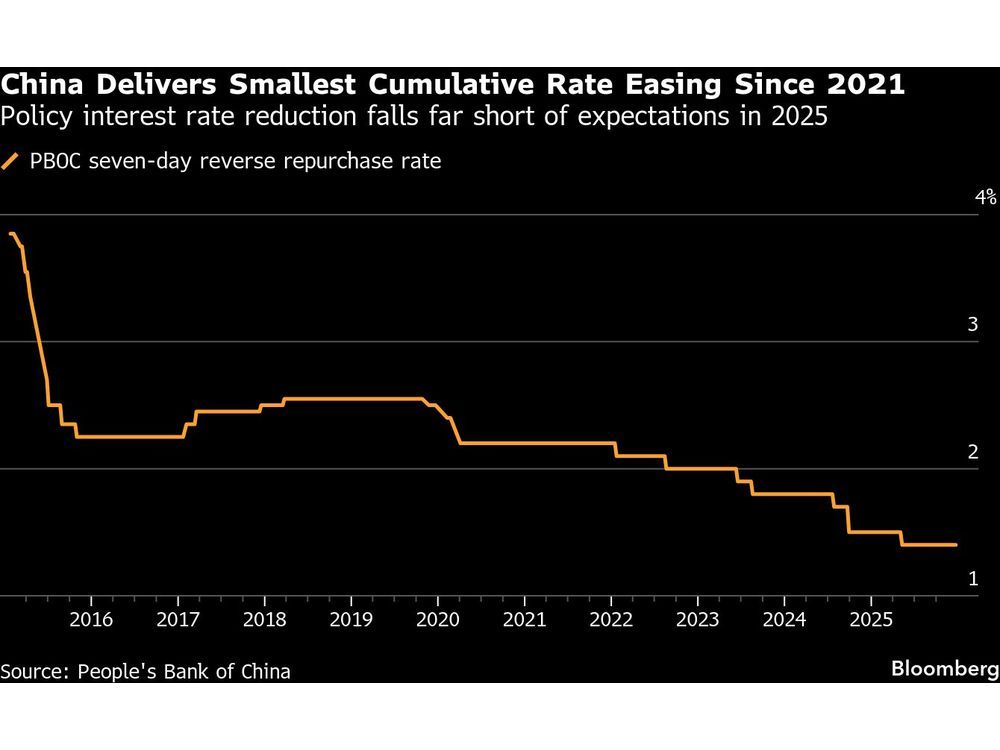
In Asia, the BOJ’s decisions will dominate discussions, but other central banks are also preparing to announce their policies. Chinese financial institutions are anticipated to maintain loan prime rates, and Indonesia’s central bank is expected to keep rates steady at 4.75%.
In Europe, the UK will unveil a series of important economic indicators that could influence rate expectations. The Bank of England officials, including Governor Andrew Bailey, are scheduled to testify before lawmakers regarding financial stability.
Overall, the BOJ meeting and the subsequent developments in Japan’s economic landscape will be pivotal in shaping both regional and global market sentiments in the coming weeks. As investors remain vigilant, the interplay between monetary policy and political developments will likely determine the future trajectory of the yen and broader economic conditions.

iShares Core Dividend Growth ETF Faces Challenges; Alternatives Suggested

Discover 7 Scenic Hikes Near Calgary to Explore This Spring

Scientists Uncover Life’s Building Blocks in Ryugu Asteroid Samples

Windsor-Essex Unveils New Action Plan to Combat Substance Use

Boost Your Business Visibility with These Local SEO Strategies

East Algoma OPP Urges Public to Limit Travel Amid Hazardous Conditions

Universities Must Rethink Failure to Support Student Growth

Canada Invests $6.4 Million to Boost Green Shipping Corridors

Stony Plain Secures 14th Consecutive Award for Financial Reporting Excellence

Rhythm Pharmaceuticals Reports Strong Q4 Growth Ahead of FDA Decision

Brandon University’s Failed $5 Million Project Sparks Oversight Review

Microsoft Confirms U.S. Law Overrules Canadian Data Sovereignty

Winnipeg Celebrates Culinary Creativity During Le Burger Week 2025

Discover Aritzia’s Latest Fashion Trends: A Comprehensive Review

New SĆIȺNEW̱ SṮEȽIṮḴEȽ Elementary Opens in Langford for 2025/2026 Year

EngineAI Unveils T800 Humanoid Robot, Setting New Industry Standards

Montreal’s Groupe Marcelle Leads Canadian Cosmetic Industry Growth

Tech Innovator Amandipp Singh Transforms Hiring for Disabled

Dragon Ball: Sparking! Zero Launching on Switch and Switch 2 This November

Digg Relaunches as Founders Kevin Rose and Alexis Ohanian Join Forces
-
 Education7 months ago
Brandon University’s Failed $5 Million Project Sparks Oversight Review
-
 Science8 months ago
Microsoft Confirms U.S. Law Overrules Canadian Data Sovereignty
-
 Lifestyle7 months ago
Winnipeg Celebrates Culinary Creativity During Le Burger Week 2025
-
 Lifestyle4 months ago
Discover Aritzia’s Latest Fashion Trends: A Comprehensive Review
-
 Education7 months ago
New SĆIȺNEW̱ SṮEȽIṮḴEȽ Elementary Opens in Langford for 2025/2026 Year
-
 Business4 months ago
EngineAI Unveils T800 Humanoid Robot, Setting New Industry Standards
-
 Health8 months ago
Montreal’s Groupe Marcelle Leads Canadian Cosmetic Industry Growth
-
 Science8 months ago
Tech Innovator Amandipp Singh Transforms Hiring for Disabled
-
 Technology8 months ago
Dragon Ball: Sparking! Zero Launching on Switch and Switch 2 This November
-
 Technology3 months ago
Digg Relaunches as Founders Kevin Rose and Alexis Ohanian Join Forces
-
 Top Stories4 months ago
Canadiens Eye Elias Pettersson: What It Would Cost to Acquire Him
-

 Lifestyle4 weeks ago
Canmore’s Le Fournil Bakery to Close After 14 Successful Years
-

 Health6 months ago
Eganville Leader to Close in 2026 After 123 Years of Reporting
-

 Education8 months ago
Red River College Launches New Programs to Address Industry Needs
-

 Top Stories4 months ago
Nicol Brothers Shine as Wheat Kings Dominate U18 AAA Hockey
-

 Business7 months ago
Rocket Lab Reports Strong Q2 2025 Revenue Growth and Future Plans
-

 Business8 months ago
BNA Brewing to Open New Bowling Alley in Downtown Penticton
-

 Education6 months ago
Alberta Petition Aims to Redirect Funds from Private to Public Schools
-

 Education8 months ago
Alberta Teachers’ Strike: Potential Impacts on Students and Families
-

 Technology6 months ago
Discord Faces Serious Security Breach Affecting Millions
-

 Technology8 months ago
Google Pixel 10 Pro Fold Specs Unveiled Ahead of Launch
-

 Lifestyle5 months ago
Edmonton’s Beloved Evolution Wonderlounge Closes, New Era Begins
-

 Business7 months ago
Iconic Golden Lion Restaurant in South Surrey to Close After 50 Years
-

 Science8 months ago
China’s Wukong Spacesuit Sets New Standard for AI in Space