
Business
B.C. Supreme Court Rules Former Members Share $12M Surplus

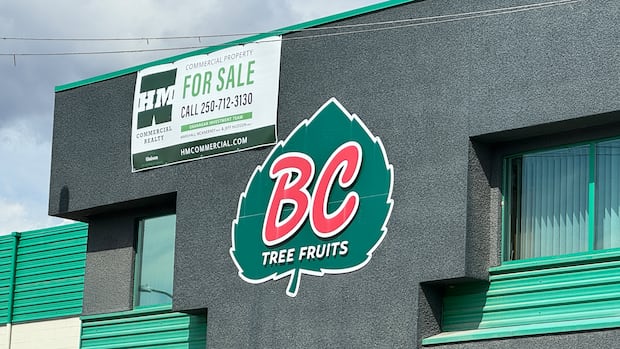
The B.C. Supreme Court has ruled that former members of the B.C. Tree Fruits Co-operative are entitled to share in approximately $12 million to $15 million in surplus funds remaining after the co-operative’s liquidation. This decision, issued by Justice Miriam Gropper on Thursday, prevents current members from altering the co-operative’s distribution rules to exclude their predecessors from receiving any financial share.
In her judgment, Gropper described the proposed changes to the co-operative’s governing rules as “oppressive conduct,” stating that it represented a “burdensome, harsh, and wrongful” departure from accepted standards of fair dealing. The ruling’s impact is significant, as it halts a vote that current members intended to hold regarding the exclusion of former members from the surplus distribution.
Background of B.C. Tree Fruits Co-operative
Founded in 1936, the B.C. Tree Fruits Co-operative once represented more than 230 farming families in the Okanagan region. Over the decades, it expanded its operations to include a grower supply company and a fresh fruit market in Kelowna, as well as a craft cider company launched in 2014. However, due to declining fruit volumes and adverse weather conditions, the co-operative announced its closure in July 2024 and sought court approval to liquidate its assets.
The co-operative’s assets have since been sold, including a significant cold storage facility purchased by a pharmaceuticals group. Following the settlement of its debts, the remaining funds—estimated to be between $12 million and $15 million—are to be distributed according to the co-operative’s existing Rule 125, which allocates 68 percent to current members and 32 percent to former members, translating to around $4 million for the latter group.
Legal Dispute and Court Ruling
On July 9, 2025, 38 current members requested the co-operative’s board to convene a special general meeting aimed at passing a resolution to eliminate Rule 125. Former members contested this attempt in court, asserting their historical contributions to the co-operative justified their expectations of sharing in any surplus distribution.
Justice Gropper sided with the former members, emphasizing their clear financial interest and the reasonable expectation that they would partake in the distribution. The judgment noted that “[they] had reasonable expectations that each would share in the distribution of any surplus.”
Competing narratives emerged regarding the reasons behind the co-operative’s financial decline. Amarjit Singh Lalli, representing current members, indicated that former members’ departures led to reduced revenue and increased operational costs. He also cited instances of breaches in fruit supply agreements as contributing factors.
Conversely, the co-operative’s interim chief executive officer pointed to a notable decline in apple volumes, attributing part of the issue to current members withholding crop estimates amidst leadership disputes. Gropper concluded that the evidence did not definitively attribute the collapse to former members, identifying the situation as a “confluence of factors.”
Ultimately, the court found no justifiable reason to exclude former members from the surplus distribution beyond the desire of current members to retain more funds for themselves. The ruling mandates compliance with the existing rules, ensuring that both current and former members receive their respective shares.
As of September 2023, the B.C. Tree Fruits brand continues under the ownership of Wildstone Construction Group, with management provided by Ontario-based Algoma Orchards.

iShares Core Dividend Growth ETF Faces Challenges; Alternatives Suggested

Discover 7 Scenic Hikes Near Calgary to Explore This Spring

Scientists Uncover Life’s Building Blocks in Ryugu Asteroid Samples

Windsor-Essex Unveils New Action Plan to Combat Substance Use

Boost Your Business Visibility with These Local SEO Strategies

East Algoma OPP Urges Public to Limit Travel Amid Hazardous Conditions

Universities Must Rethink Failure to Support Student Growth

Canada Invests $6.4 Million to Boost Green Shipping Corridors

Stony Plain Secures 14th Consecutive Award for Financial Reporting Excellence

Rhythm Pharmaceuticals Reports Strong Q4 Growth Ahead of FDA Decision

Brandon University’s Failed $5 Million Project Sparks Oversight Review

Microsoft Confirms U.S. Law Overrules Canadian Data Sovereignty

Winnipeg Celebrates Culinary Creativity During Le Burger Week 2025

Discover Aritzia’s Latest Fashion Trends: A Comprehensive Review

New SĆIȺNEW̱ SṮEȽIṮḴEȽ Elementary Opens in Langford for 2025/2026 Year

EngineAI Unveils T800 Humanoid Robot, Setting New Industry Standards

Montreal’s Groupe Marcelle Leads Canadian Cosmetic Industry Growth

Tech Innovator Amandipp Singh Transforms Hiring for Disabled

Dragon Ball: Sparking! Zero Launching on Switch and Switch 2 This November

Digg Relaunches as Founders Kevin Rose and Alexis Ohanian Join Forces
-
 Education7 months ago
Brandon University’s Failed $5 Million Project Sparks Oversight Review
-
 Science8 months ago
Microsoft Confirms U.S. Law Overrules Canadian Data Sovereignty
-
 Lifestyle7 months ago
Winnipeg Celebrates Culinary Creativity During Le Burger Week 2025
-
 Lifestyle4 months ago
Discover Aritzia’s Latest Fashion Trends: A Comprehensive Review
-
 Education7 months ago
New SĆIȺNEW̱ SṮEȽIṮḴEȽ Elementary Opens in Langford for 2025/2026 Year
-
 Business4 months ago
EngineAI Unveils T800 Humanoid Robot, Setting New Industry Standards
-
 Health8 months ago
Montreal’s Groupe Marcelle Leads Canadian Cosmetic Industry Growth
-
 Science8 months ago
Tech Innovator Amandipp Singh Transforms Hiring for Disabled
-
 Technology8 months ago
Dragon Ball: Sparking! Zero Launching on Switch and Switch 2 This November
-
 Technology3 months ago
Digg Relaunches as Founders Kevin Rose and Alexis Ohanian Join Forces
-

 Lifestyle4 weeks ago
Canmore’s Le Fournil Bakery to Close After 14 Successful Years
-
 Top Stories4 months ago
Canadiens Eye Elias Pettersson: What It Would Cost to Acquire Him
-

 Health7 months ago
Eganville Leader to Close in 2026 After 123 Years of Reporting
-

 Education8 months ago
Red River College Launches New Programs to Address Industry Needs
-

 Top Stories4 months ago
Nicol Brothers Shine as Wheat Kings Dominate U18 AAA Hockey
-

 Business8 months ago
BNA Brewing to Open New Bowling Alley in Downtown Penticton
-

 Business7 months ago
Rocket Lab Reports Strong Q2 2025 Revenue Growth and Future Plans
-

 Education6 months ago
Alberta Petition Aims to Redirect Funds from Private to Public Schools
-

 Lifestyle5 months ago
Edmonton’s Beloved Evolution Wonderlounge Closes, New Era Begins
-

 Education8 months ago
Alberta Teachers’ Strike: Potential Impacts on Students and Families
-

 Technology6 months ago
Discord Faces Serious Security Breach Affecting Millions
-

 Technology8 months ago
Google Pixel 10 Pro Fold Specs Unveiled Ahead of Launch
-

 Business7 months ago
Iconic Golden Lion Restaurant in South Surrey to Close After 50 Years
-

 Science8 months ago
China’s Wukong Spacesuit Sets New Standard for AI in Space