
Top Stories
Yukon Government Presses Pause on Health Authority Plans

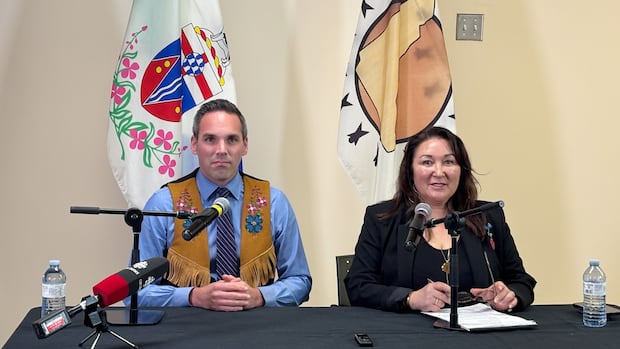
The government of Yukon has decided to halt its plans for a territory-wide health authority, with the possibility of scrapping the initiative entirely. Yukon Premier Currie Dixon announced this decision after a meeting with First Nations governments on March 15, 2024. The primary concern revolves around the transfer of employee pensions to the proposed authority, which Dixon estimates could cost up to $70 million.
The initiative to create a new health authority, named Shäw Kwä’ą, was initially launched by the former Liberal government in 2024 with support from First Nations. However, Dixon has expressed doubts regarding the financial justification for this reorganization. He stated, “We felt that there’s a significant amount of administrative overhaul that’s going into that, and that money would be better invested in the front lines of our health-care system as opposed to the administrative reorganization of [the Department of] Health and Social Services into a new health authority.”
The establishment of Shäw Kwä’ą was recommended in the 2020 report, “Putting People First,” which assessed the Yukon’s health-care system. Yukon and Nunavut are currently the only Canadian jurisdictions without a dedicated health authority. Proponents of the plan argue that it would help address systemic racism within the healthcare system and improve health outcomes for Indigenous patients.
Despite this setback, Shäw Kwä’ą already has a board and chair in place. However, unions have voiced their discontent with the authority’s formation, claiming they were excluded from the decision-making process.
First Nations Reaction to Government’s Decision
The decision has not sat well with leaders of First Nations. Math’ieya Alatini, Grand Chief of the Council of Yukon First Nations, expressed the chiefs’ disappointment, stating, “I think disappointment was an understatement. When the premier shared the views of repealing the legislation around the health authority, the chiefs made it very clear that they are in support of the health authority.” Alatini emphasized the need for a health authority to facilitate necessary health transformation efforts.
Dixon acknowledged the dissatisfaction among the chiefs but also noted that some aspects of the authority’s work might still be salvageable. He mentioned ongoing efforts related to cultural safety, a potential office for First Nations health, and initiatives focused on rural health care recruitment and retention. “All of those things we think that we can still work with First Nations on,” he said.
The Yukon government is now considering a bill to repeal the enabling legislation for Shäw Kwä’ą, although this legislation will not be introduced in the Legislative Assembly until the fall session. In the meantime, discussions regarding health care reform are expected to return to the Health System Transformation Advisory Committee, which previously served as a precursor to the proposed health authority.
This decision marks a significant shift in Yukon’s approach to health care, with potential implications for both administrative efficiency and the quality of services available to residents. The future of health care in the territory remains uncertain as the government navigates these complex issues.

iShares Core Dividend Growth ETF Faces Challenges; Alternatives Suggested

Discover 7 Scenic Hikes Near Calgary to Explore This Spring

Scientists Uncover Life’s Building Blocks in Ryugu Asteroid Samples

Windsor-Essex Unveils New Action Plan to Combat Substance Use

Boost Your Business Visibility with These Local SEO Strategies

East Algoma OPP Urges Public to Limit Travel Amid Hazardous Conditions

Universities Must Rethink Failure to Support Student Growth

Canada Invests $6.4 Million to Boost Green Shipping Corridors

Stony Plain Secures 14th Consecutive Award for Financial Reporting Excellence

Rhythm Pharmaceuticals Reports Strong Q4 Growth Ahead of FDA Decision

Brandon University’s Failed $5 Million Project Sparks Oversight Review

Microsoft Confirms U.S. Law Overrules Canadian Data Sovereignty

Discover Aritzia’s Latest Fashion Trends: A Comprehensive Review

Winnipeg Celebrates Culinary Creativity During Le Burger Week 2025

New SĆIȺNEW̱ SṮEȽIṮḴEȽ Elementary Opens in Langford for 2025/2026 Year

EngineAI Unveils T800 Humanoid Robot, Setting New Industry Standards

Montreal’s Groupe Marcelle Leads Canadian Cosmetic Industry Growth

Tech Innovator Amandipp Singh Transforms Hiring for Disabled

Canmore’s Le Fournil Bakery to Close After 14 Successful Years

Dragon Ball: Sparking! Zero Launching on Switch and Switch 2 This November
-
 Education8 months ago
Brandon University’s Failed $5 Million Project Sparks Oversight Review
-
 Science9 months ago
Microsoft Confirms U.S. Law Overrules Canadian Data Sovereignty
-
 Lifestyle4 months ago
Discover Aritzia’s Latest Fashion Trends: A Comprehensive Review
-
 Lifestyle8 months ago
Winnipeg Celebrates Culinary Creativity During Le Burger Week 2025
-
 Education8 months ago
New SĆIȺNEW̱ SṮEȽIṮḴEȽ Elementary Opens in Langford for 2025/2026 Year
-
 Business5 months ago
EngineAI Unveils T800 Humanoid Robot, Setting New Industry Standards
-
 Health9 months ago
Montreal’s Groupe Marcelle Leads Canadian Cosmetic Industry Growth
-
 Science9 months ago
Tech Innovator Amandipp Singh Transforms Hiring for Disabled
-
 Lifestyle2 months ago
Canmore’s Le Fournil Bakery to Close After 14 Successful Years
-
 Technology9 months ago
Dragon Ball: Sparking! Zero Launching on Switch and Switch 2 This November
-

 Technology4 months ago
Digg Relaunches as Founders Kevin Rose and Alexis Ohanian Join Forces
-
 Top Stories5 months ago
Canadiens Eye Elias Pettersson: What It Would Cost to Acquire Him
-

 Lifestyle6 months ago
Edmonton’s Beloved Evolution Wonderlounge Closes, New Era Begins
-

 Health7 months ago
Eganville Leader to Close in 2026 After 123 Years of Reporting
-

 Top Stories5 months ago
Nicol Brothers Shine as Wheat Kings Dominate U18 AAA Hockey
-

 Education9 months ago
Red River College Launches New Programs to Address Industry Needs
-

 Business9 months ago
BNA Brewing to Open New Bowling Alley in Downtown Penticton
-

 Business8 months ago
Rocket Lab Reports Strong Q2 2025 Revenue Growth and Future Plans
-

 Education7 months ago
Alberta Petition Aims to Redirect Funds from Private to Public Schools
-

 Education9 months ago
Alberta Teachers’ Strike: Potential Impacts on Students and Families
-

 Technology7 months ago
Discord Faces Serious Security Breach Affecting Millions
-

 Technology9 months ago
Google Pixel 10 Pro Fold Specs Unveiled Ahead of Launch
-
 Education5 months ago
ʔaq̓am Education Law Enacted, Affirming Self-Governance Rights
-

 Education7 months ago
Durham Schools Urged to Reconsider Prom Cancellation After Student Protest