
Top Stories
U.S. Captures Venezuelan President Nicolás Maduro Amid Celebrations

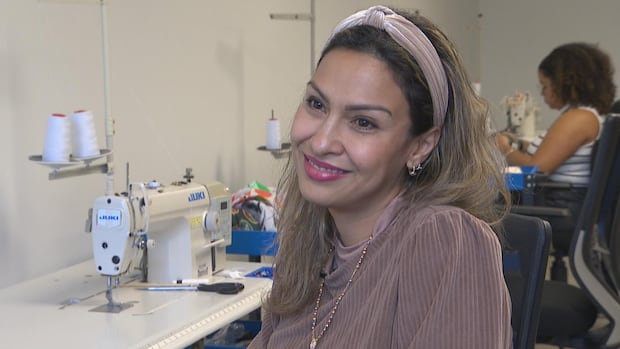
A significant escalation in U.S.-Venezuelan relations unfolded on January 3, 2026, as the United States captured Venezuelan President Nicolás Maduro and his wife, Cilia Flores, during a large-scale military operation. The raid, which took place at Maduro’s residence within the Fort Tiuna military installation in Caracas, has sparked both celebrations and condemnation.
Venezuelan refugee Geraldine Pacheco, who now resides in St. John’s, Newfoundland and Labrador, expressed her joy over the event. “This was the help we were waiting to get out of the repression and dictatorship in our country,” she told CBC News. Pacheco arrived in Canada with her husband and two young children in 2024, fleeing the dire conditions in Venezuela. She noted that her parents and sister remain in the country, living under constant fear and scarcity. “They are happy about what is happening because they want to live in a free Venezuela,” Pacheco said.
Following the U.S. operation, President Donald Trump announced via social media that the couple would face justice in American courts. U.S. Attorney General Pam Bondi confirmed that Maduro and Flores were indicted in the U.S. District Court in the Southern District of New York. “They will soon face the full wrath of American justice on American soil in American courts,” Bondi stated on social media.
Details of the U.S. Operation
The operation to apprehend Maduro and Flores marked the most direct U.S. intervention in Latin America since the 1989 invasion of Panama. Witnesses reported multiple explosions and the presence of low-flying aircraft over Caracas during the early hours of the raid. The Venezuelan government condemned the action as an “imperialist attack” and called for citizens to protest against what they described as a violation of national sovereignty.
In stark contrast, Pacheco views this development as a chance to restore democracy in Venezuela. “We are very happy because it is an opportunity to remove the corrupt people who run drug cartels, who are killers, and do not respect human rights,” she stated.
International Reactions
The international response has been mixed, with the Canadian government expressing support for the Venezuelan people. Canadian Foreign Affairs Minister Anita Anand reaffirmed Canada’s stance against the Maduro regime, stating, “We have refused to recognize any legitimacy of the Maduro regime and opposed its repression of the Venezuelan people.” Canada closed its embassy in Venezuela in 2019, further distancing itself from Maduro’s government.
Trump praised U.S. forces for their swift action and outlined plans for Venezuela’s future, stating that the United States would lead the country until a proper transition could occur. He expressed optimism about Venezuela’s potential, envisioning a return to prosperity. “We know that it will take time for Venezuela to experience change, but it will become a global economic and tourism power again,” he said.
The events of January 3, 2026, may represent a turning point in Venezuelan politics, with the potential to reshape the nation’s future. As news of Maduro’s capture spreads, many Venezuelans, including those in diaspora communities like Pacheco’s, hold onto hope for a brighter future.

iShares Core Dividend Growth ETF Faces Challenges; Alternatives Suggested

Discover 7 Scenic Hikes Near Calgary to Explore This Spring

Scientists Uncover Life’s Building Blocks in Ryugu Asteroid Samples

Windsor-Essex Unveils New Action Plan to Combat Substance Use

Boost Your Business Visibility with These Local SEO Strategies

East Algoma OPP Urges Public to Limit Travel Amid Hazardous Conditions

Universities Must Rethink Failure to Support Student Growth

Canada Invests $6.4 Million to Boost Green Shipping Corridors

Stony Plain Secures 14th Consecutive Award for Financial Reporting Excellence

Rhythm Pharmaceuticals Reports Strong Q4 Growth Ahead of FDA Decision

Brandon University’s Failed $5 Million Project Sparks Oversight Review

Microsoft Confirms U.S. Law Overrules Canadian Data Sovereignty

Discover Aritzia’s Latest Fashion Trends: A Comprehensive Review

Winnipeg Celebrates Culinary Creativity During Le Burger Week 2025

New SĆIȺNEW̱ SṮEȽIṮḴEȽ Elementary Opens in Langford for 2025/2026 Year

EngineAI Unveils T800 Humanoid Robot, Setting New Industry Standards

Montreal’s Groupe Marcelle Leads Canadian Cosmetic Industry Growth

Tech Innovator Amandipp Singh Transforms Hiring for Disabled

Canmore’s Le Fournil Bakery to Close After 14 Successful Years

Dragon Ball: Sparking! Zero Launching on Switch and Switch 2 This November
-
 Education8 months ago
Brandon University’s Failed $5 Million Project Sparks Oversight Review
-
 Science9 months ago
Microsoft Confirms U.S. Law Overrules Canadian Data Sovereignty
-
 Lifestyle4 months ago
Discover Aritzia’s Latest Fashion Trends: A Comprehensive Review
-
 Lifestyle8 months ago
Winnipeg Celebrates Culinary Creativity During Le Burger Week 2025
-
 Education8 months ago
New SĆIȺNEW̱ SṮEȽIṮḴEȽ Elementary Opens in Langford for 2025/2026 Year
-
 Business5 months ago
EngineAI Unveils T800 Humanoid Robot, Setting New Industry Standards
-
 Health9 months ago
Montreal’s Groupe Marcelle Leads Canadian Cosmetic Industry Growth
-
 Science9 months ago
Tech Innovator Amandipp Singh Transforms Hiring for Disabled
-
 Lifestyle2 months ago
Canmore’s Le Fournil Bakery to Close After 14 Successful Years
-
 Technology9 months ago
Dragon Ball: Sparking! Zero Launching on Switch and Switch 2 This November
-

 Technology4 months ago
Digg Relaunches as Founders Kevin Rose and Alexis Ohanian Join Forces
-
 Top Stories5 months ago
Canadiens Eye Elias Pettersson: What It Would Cost to Acquire Him
-

 Lifestyle6 months ago
Edmonton’s Beloved Evolution Wonderlounge Closes, New Era Begins
-

 Health7 months ago
Eganville Leader to Close in 2026 After 123 Years of Reporting
-

 Top Stories5 months ago
Nicol Brothers Shine as Wheat Kings Dominate U18 AAA Hockey
-

 Education9 months ago
Red River College Launches New Programs to Address Industry Needs
-

 Business9 months ago
BNA Brewing to Open New Bowling Alley in Downtown Penticton
-

 Business8 months ago
Rocket Lab Reports Strong Q2 2025 Revenue Growth and Future Plans
-

 Education7 months ago
Alberta Petition Aims to Redirect Funds from Private to Public Schools
-

 Education9 months ago
Alberta Teachers’ Strike: Potential Impacts on Students and Families
-
 Education7 months ago
Durham Schools Urged to Reconsider Prom Cancellation After Student Protest
-

 Technology7 months ago
Discord Faces Serious Security Breach Affecting Millions
-

 Technology9 months ago
Google Pixel 10 Pro Fold Specs Unveiled Ahead of Launch
-
 Education5 months ago
ʔaq̓am Education Law Enacted, Affirming Self-Governance Rights