
Technology
SkyTrain Marks Retirement of Second-Generation Mark II Trains

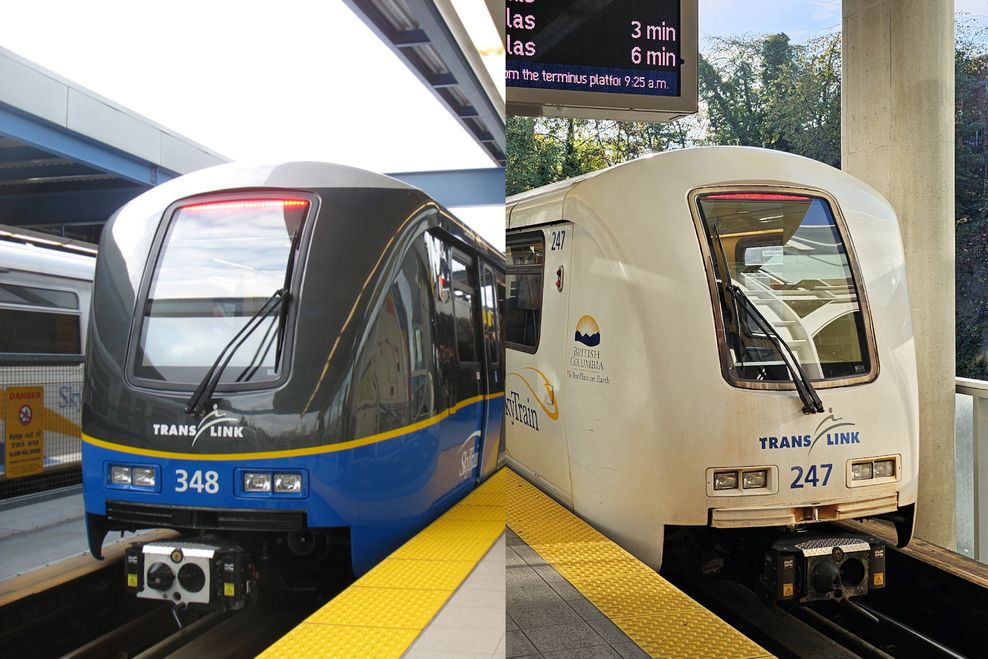
Plans are underway for the gradual retirement of the entire fleet of second-generation Mark II trains used on SkyTrain’s Expo and Millennium lines. TransLink, the public transit authority, has confirmed that it will replace these trains, which were delivered in two batches: the first comprising 60 cars from 2000 to 2002, followed by 48 more cars with enhanced features from 2009 to 2010, coinciding with the 2010 Winter Olympics.
TransLink aims to start replacing the initial 60 Mark II cars with the new-generation Mark V trains in 2026. The order for the new trains is expected to cost approximately $433 million, with around $51 million allocated for the initial order and the remainder distributed through 2030. The first of these replacement trains could be operational by 2030, marking the beginning of a phased retirement for the first batch of Mark II trains.
Details of the Mark II Fleet and Future Upgrades
The Mark II trains, recognizable by their white exterior and aerodynamic design, are predominantly used on the Millennium Line, typically operating in two-car configurations. Unfortunately, these cars are now in relatively poor condition. The second batch of Mark II cars features a charcoal grey, blue, and yellow livery, along with several interior improvements, including more comfortable seating and an upgraded heating, ventilation, and air-conditioning (HVAC) system. They currently serve the Expo Line in four-car configurations but are also showing signs of age.
TransLink plans to begin replacing the remaining 48 Mark II cars starting in 2033/2034, completing the transition to newer models later in the decade. At that point, the Expo and Millennium lines will exclusively operate with Mark V and Mark III trains, as the original Mark I cars will also be retired by then.
Patrice Impey, Chief Financial Officer of TransLink, emphasized the importance of maintaining the transit system’s reliability and safety during a recent board meeting. “More than half of our capital program ensures the assets we use to deliver our current services remain in a state of good repair,” she stated, referring to the ongoing efforts to replace aging vehicles and maintain infrastructure.
Technological Advancements and Future Capacity
The Mark V trains, which will gradually replace the Mark II fleet, are designed with enhanced technical performance and improved passenger comfort. They share a similar framework with the Mark III trains introduced between 2016 and 2020, but the Mark V model will include an additional car, increasing overall capacity. Features such as larger video displays providing real-time information and improved HVAC systems are significant upgrades over previous models.
TransLink has secured an agreement with Alstom, formerly Bombardier Transportation, allowing for the potential order of up to 400 Mark V cars by 2035. The initial order of 205 Mark V cars, forming 41 five-car trains, is aimed at replacing the aging Mark I fleet and accommodating increased demand associated with the upcoming Broadway extension of the Millennium Line, set to open in Fall 2027.
In addition to addressing the needs of current ridership, the introduction of Mark V trains is anticipated to significantly boost capacity on both the Expo and Millennium lines. According to TransLink, the peak-period capacity for the Expo Line is expected to increase from 14,400 passengers per hour per direction (pphpd) in 2025 to 17,000 pphpd by 2030. The Millennium Line will also see an increase, jumping to 8,000 pphpd as demand grows.
In summary, the phased retirement of the Mark II fleet marks a significant step for TransLink, as it seeks to modernize its service offerings and enhance the overall efficiency of the SkyTrain network. The transition to new Mark V trains and the planned expansions reflect a commitment to meeting future ridership demands while ensuring the reliability and safety of public transit services.

iShares Core Dividend Growth ETF Faces Challenges; Alternatives Suggested

Discover 7 Scenic Hikes Near Calgary to Explore This Spring

Scientists Uncover Life’s Building Blocks in Ryugu Asteroid Samples

Windsor-Essex Unveils New Action Plan to Combat Substance Use

Boost Your Business Visibility with These Local SEO Strategies

East Algoma OPP Urges Public to Limit Travel Amid Hazardous Conditions

Universities Must Rethink Failure to Support Student Growth

Canada Invests $6.4 Million to Boost Green Shipping Corridors

Stony Plain Secures 14th Consecutive Award for Financial Reporting Excellence

Rhythm Pharmaceuticals Reports Strong Q4 Growth Ahead of FDA Decision

Brandon University’s Failed $5 Million Project Sparks Oversight Review

Microsoft Confirms U.S. Law Overrules Canadian Data Sovereignty

Discover Aritzia’s Latest Fashion Trends: A Comprehensive Review

Winnipeg Celebrates Culinary Creativity During Le Burger Week 2025

New SĆIȺNEW̱ SṮEȽIṮḴEȽ Elementary Opens in Langford for 2025/2026 Year

EngineAI Unveils T800 Humanoid Robot, Setting New Industry Standards

Montreal’s Groupe Marcelle Leads Canadian Cosmetic Industry Growth

Tech Innovator Amandipp Singh Transforms Hiring for Disabled

Canmore’s Le Fournil Bakery to Close After 14 Successful Years

Dragon Ball: Sparking! Zero Launching on Switch and Switch 2 This November
-
 Education8 months ago
Brandon University’s Failed $5 Million Project Sparks Oversight Review
-
 Science9 months ago
Microsoft Confirms U.S. Law Overrules Canadian Data Sovereignty
-
 Lifestyle4 months ago
Discover Aritzia’s Latest Fashion Trends: A Comprehensive Review
-
 Lifestyle8 months ago
Winnipeg Celebrates Culinary Creativity During Le Burger Week 2025
-
 Education8 months ago
New SĆIȺNEW̱ SṮEȽIṮḴEȽ Elementary Opens in Langford for 2025/2026 Year
-
 Business5 months ago
EngineAI Unveils T800 Humanoid Robot, Setting New Industry Standards
-
 Health9 months ago
Montreal’s Groupe Marcelle Leads Canadian Cosmetic Industry Growth
-
 Science9 months ago
Tech Innovator Amandipp Singh Transforms Hiring for Disabled
-
 Lifestyle2 months ago
Canmore’s Le Fournil Bakery to Close After 14 Successful Years
-
 Technology9 months ago
Dragon Ball: Sparking! Zero Launching on Switch and Switch 2 This November
-

 Technology4 months ago
Digg Relaunches as Founders Kevin Rose and Alexis Ohanian Join Forces
-
 Top Stories5 months ago
Canadiens Eye Elias Pettersson: What It Would Cost to Acquire Him
-

 Lifestyle6 months ago
Edmonton’s Beloved Evolution Wonderlounge Closes, New Era Begins
-

 Health7 months ago
Eganville Leader to Close in 2026 After 123 Years of Reporting
-

 Top Stories5 months ago
Nicol Brothers Shine as Wheat Kings Dominate U18 AAA Hockey
-

 Education9 months ago
Red River College Launches New Programs to Address Industry Needs
-

 Business9 months ago
BNA Brewing to Open New Bowling Alley in Downtown Penticton
-

 Business8 months ago
Rocket Lab Reports Strong Q2 2025 Revenue Growth and Future Plans
-

 Education7 months ago
Alberta Petition Aims to Redirect Funds from Private to Public Schools
-

 Education9 months ago
Alberta Teachers’ Strike: Potential Impacts on Students and Families
-

 Education7 months ago
Durham Schools Urged to Reconsider Prom Cancellation After Student Protest
-

 Technology7 months ago
Discord Faces Serious Security Breach Affecting Millions
-

 Technology9 months ago
Google Pixel 10 Pro Fold Specs Unveiled Ahead of Launch
-
 Education5 months ago
ʔaq̓am Education Law Enacted, Affirming Self-Governance Rights