
Technology
Chinese Electric Vehicles Surge in UK and Australia Markets

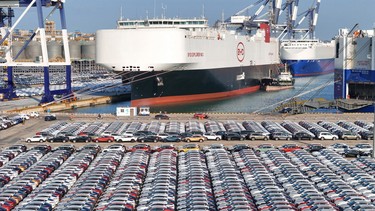
Chinese electric vehicle (EV) brands have made significant inroads into the automotive markets of the United Kingdom and Australia. According to Autocar magazine, one in five new cars registered in the UK in December 2023 was from a Chinese manufacturer, indicating a remarkable growth trajectory. While Chinese automakers held a market share of 9.7% in the UK for 2025, the figure climbed to 18.2% in December alone. This surge is particularly notable, as it encompasses all types of vehicles, not just electric ones. Chinese brands now dominate the UK EV market with a share of 29%, a significant increase of 5% from the previous year.
The rising presence of Chinese automakers is largely attributed to the UK’s lack of tariffs on electric vehicles imported from China. In contrast, the European Union has levied tariffs on these imports, making the UK a more attractive market for Chinese brands. Mike Hawes, CEO of the UK’s Society of Motor Manufacturers and Traders, expressed concerns about the implications of this rapid growth. He pointed out that British manufacturers are hesitant to challenge the subsidies that Chinese brands may be receiving, as investigations could provoke retaliatory actions from China.
Despite the influx of Chinese EVs, the UK has struggled to meet its green-car quota set for 2025. Last year, approximately 473,340 zero-emission vehicles were sold, falling short by 92,354 units of the 28% share mandated by the Zero Emission Vehicle Mandate. Such a shortfall raises questions about the feasibility of achieving ambitious targets in the face of changing market dynamics.
Australia’s Automotive Landscape Shifts
The situation in Australia mirrors that of the UK, with Chinese brands capturing 17.1% of the entire auto market, a staggering increase from just a decade ago. Mike Costello, a market analyst for Cox Automotive, noted that over 20 Chinese brands are now active in Australia, with sales increasing by 50% year-over-year. Notably, while the leading Chinese brand, SAIC, experienced a decrease in sales of 16.8%, competitors like Chery and BYD reported impressive gains of 206% and 156%, respectively.
Although the Australian Labor Party has yet to impose a formal EV mandate, Chinese-made battery-electric vehicles account for more than three-quarters of the 8.6% share of the new-car market that EVs occupy. The Australian Auto Dealers Association forecasts that by 2035, Chinese-made vehicles could represent 43% of all sales, surpassing the once-dominant Japanese brands.
The rapid expansion of Chinese automakers is driven by a fierce pricing war in China, described by The Telegraph as a “Darwinian battle” for survival. With production capabilities that could soon outstrip domestic demand, many Chinese brands are looking abroad to maintain profitability. BYD, for instance, is facing pressure to sacrifice margins for volume, leading to a reported 30% decline in profits during the second quarter of 2025. Other companies, such as Nio, have also struggled financially, reporting losses of USD 3 billion in 2023 despite a rise in sales.
The Economic Implications Ahead
The cost disparity between domestic and international markets is significant. For example, a BYD Seagull retails for the equivalent of just CDN 11,000 in China, while it commands around CDN 35,000 in the UK. Analysts from the Rhodium Group indicate that even with tariffs imposed by the European Union, Chinese manufacturers are treating Europe as a lucrative market, often yielding higher profits than in their home country.
As the automotive landscape continues to evolve, the influx of Chinese electric vehicles raises important questions about competition, market dynamics, and the future of the automotive industry in both the UK and Australia. The implications for local manufacturers, consumers, and policymakers are complex and warrant careful consideration.
For those interested in the future of electric vehicles and the automotive industry, a webinar titled “Life After the EV Hype: What Comes Next?” will feature industry experts discussing emerging trends and challenges.

iShares Core Dividend Growth ETF Faces Challenges; Alternatives Suggested

Discover 7 Scenic Hikes Near Calgary to Explore This Spring

Scientists Uncover Life’s Building Blocks in Ryugu Asteroid Samples

Windsor-Essex Unveils New Action Plan to Combat Substance Use

Boost Your Business Visibility with These Local SEO Strategies

East Algoma OPP Urges Public to Limit Travel Amid Hazardous Conditions

Universities Must Rethink Failure to Support Student Growth

Canada Invests $6.4 Million to Boost Green Shipping Corridors

Stony Plain Secures 14th Consecutive Award for Financial Reporting Excellence

Rhythm Pharmaceuticals Reports Strong Q4 Growth Ahead of FDA Decision

Brandon University’s Failed $5 Million Project Sparks Oversight Review

Microsoft Confirms U.S. Law Overrules Canadian Data Sovereignty

Discover Aritzia’s Latest Fashion Trends: A Comprehensive Review

Winnipeg Celebrates Culinary Creativity During Le Burger Week 2025

New SĆIȺNEW̱ SṮEȽIṮḴEȽ Elementary Opens in Langford for 2025/2026 Year

EngineAI Unveils T800 Humanoid Robot, Setting New Industry Standards

Montreal’s Groupe Marcelle Leads Canadian Cosmetic Industry Growth

Tech Innovator Amandipp Singh Transforms Hiring for Disabled

Canmore’s Le Fournil Bakery to Close After 14 Successful Years

Dragon Ball: Sparking! Zero Launching on Switch and Switch 2 This November
-
 Education8 months ago
Brandon University’s Failed $5 Million Project Sparks Oversight Review
-
 Science9 months ago
Microsoft Confirms U.S. Law Overrules Canadian Data Sovereignty
-
 Lifestyle4 months ago
Discover Aritzia’s Latest Fashion Trends: A Comprehensive Review
-
 Lifestyle8 months ago
Winnipeg Celebrates Culinary Creativity During Le Burger Week 2025
-
 Education8 months ago
New SĆIȺNEW̱ SṮEȽIṮḴEȽ Elementary Opens in Langford for 2025/2026 Year
-
 Business5 months ago
EngineAI Unveils T800 Humanoid Robot, Setting New Industry Standards
-
 Health9 months ago
Montreal’s Groupe Marcelle Leads Canadian Cosmetic Industry Growth
-
 Science9 months ago
Tech Innovator Amandipp Singh Transforms Hiring for Disabled
-
 Lifestyle2 months ago
Canmore’s Le Fournil Bakery to Close After 14 Successful Years
-
 Technology9 months ago
Dragon Ball: Sparking! Zero Launching on Switch and Switch 2 This November
-

 Technology4 months ago
Digg Relaunches as Founders Kevin Rose and Alexis Ohanian Join Forces
-
 Top Stories5 months ago
Canadiens Eye Elias Pettersson: What It Would Cost to Acquire Him
-

 Lifestyle6 months ago
Edmonton’s Beloved Evolution Wonderlounge Closes, New Era Begins
-

 Health7 months ago
Eganville Leader to Close in 2026 After 123 Years of Reporting
-

 Top Stories5 months ago
Nicol Brothers Shine as Wheat Kings Dominate U18 AAA Hockey
-

 Education9 months ago
Red River College Launches New Programs to Address Industry Needs
-

 Business9 months ago
BNA Brewing to Open New Bowling Alley in Downtown Penticton
-

 Business8 months ago
Rocket Lab Reports Strong Q2 2025 Revenue Growth and Future Plans
-

 Education7 months ago
Alberta Petition Aims to Redirect Funds from Private to Public Schools
-

 Education9 months ago
Alberta Teachers’ Strike: Potential Impacts on Students and Families
-

 Technology7 months ago
Discord Faces Serious Security Breach Affecting Millions
-

 Technology9 months ago
Google Pixel 10 Pro Fold Specs Unveiled Ahead of Launch
-

 Education7 months ago
Durham Schools Urged to Reconsider Prom Cancellation After Student Protest
-

 Education5 months ago
ʔaq̓am Education Law Enacted, Affirming Self-Governance Rights