
Education
Educators in Palestine Forge Emotional Resilience Amid Crisis

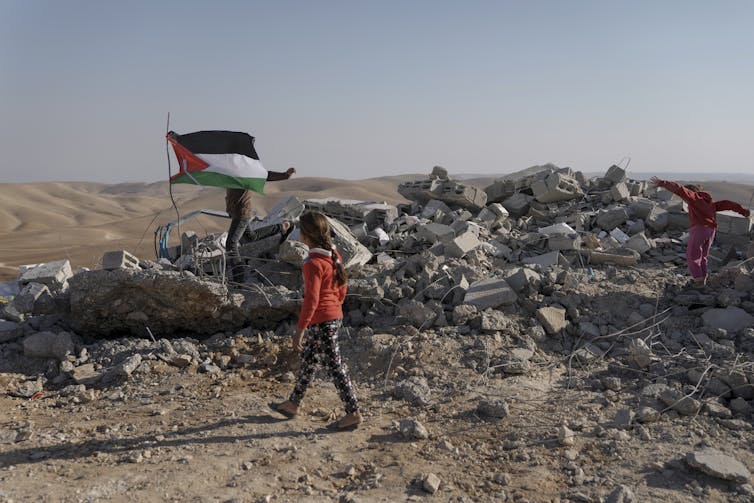
In the midst of ongoing conflict and displacement, educators and students in Palestine are transforming challenging emotions into acts of resilience and care. A project initiated in January 2024 at the Ibn Sina College in Nablus, Palestine, aims to explore how these individuals navigate their emotional landscapes in a region experiencing significant turmoil. With support from Université de Montréal International, this collaboration involves discussions with faculty members to better understand their emotional states against the backdrop of occupation and violence.
From January 2024 to September 2025, researchers engaged in bi-monthly meetings with five professors and the dean of nursing and midwifery at the college. They revealed the necessity of being emotionally present for their students, even while grappling with the harsh realities of Israel’s military occupation and the catastrophic situation in Gaza. The educators sought tools to manage their emotional burdens, leading to the development of an intervention tool known as CARE (Connection, Action, Resistance, Empowerment).
Understanding Resistance Fatigue and Qahr
Two central emotional states emerged from these discussions: resistance fatigue and qahr. Resistance fatigue refers to the overwhelming sense of losing control over one’s life, shaped by political oppression and forced displacement. In contrast, qahr encapsulates a deeper emotional experience prevalent in Arabic-speaking cultures. It intertwines feelings of powerlessness, grief, and a profound sense of injustice.
Qahr conveys the weight of injustice and the pain of being marginalized, often manifesting as silent suffering. It is an emotion that transcends simple definitions, representing a resilience born from the determination to resist erasure. The actions stemming from qahr can take various forms, such as storytelling, art, and everyday acts of defiance against military occupation. These actions reflect a deep care for oneself, one’s community, and shared history.
Insights from Educators and the CARE Intervention
Previous research conducted with educators in Lebanon highlighted similar emotional struggles faced in classrooms during crises. Teachers there shared experiences of loss, violence, and instability, but they also spoke of hope and resistance. Asma, a teacher from Gaza, noted the resilience of people in her region, stating, “People in the Gaza Strip have become experts in creating alternative life plans.” This duality of suffering and hope is evident in the educational initiatives that continue to emerge despite adversity.
The CARE intervention was developed to address the emotional needs uncovered during the project. It combines insights from acceptance and commitment therapy with culturally relevant strategies tailored for educators and students. Through online dialogues, participants reflected on their experiences of teaching amid conflict, discussing loss while remaining committed to their educational roles.
Initially intended to support the psychosocial needs of healthcare professionals, the project evolved into a comprehensive training module addressing trauma and mental health. Faculty members expressed a strong desire to share their complex emotions to better support their students. As the collaboration progresses, there remains a focus on how emotional experiences can inform teaching practices and relationships within the educational environment.
The CARE program emphasizes strategies for educators and students to collectively engage with their emotions, fostering an environment where feelings such as qahr can be acknowledged and transformed into constructive actions. A guidebook integrating CARE principles was first delivered to nursing instructors in the fall of 2025, marking a significant step in this collaborative effort.
Through this initiative, educators in Palestine are not only addressing their emotional challenges but also creating pathways for resilience and hope. By recognizing qahr as a legitimate feeling, they are learning to navigate their emotional landscape in ways that empower both themselves and their students. This ongoing dialogue invites a deeper understanding of the complexity of emotions in the face of adversity, encouraging a reflective approach to both teaching and learning in times of crisis.
The authors have no financial conflicts of interest and have disclosed no relevant affiliations beyond their academic appointments.

iShares Core Dividend Growth ETF Faces Challenges; Alternatives Suggested

Discover 7 Scenic Hikes Near Calgary to Explore This Spring

Scientists Uncover Life’s Building Blocks in Ryugu Asteroid Samples

Windsor-Essex Unveils New Action Plan to Combat Substance Use

Boost Your Business Visibility with These Local SEO Strategies

East Algoma OPP Urges Public to Limit Travel Amid Hazardous Conditions

Universities Must Rethink Failure to Support Student Growth

Canada Invests $6.4 Million to Boost Green Shipping Corridors

Stony Plain Secures 14th Consecutive Award for Financial Reporting Excellence

Rhythm Pharmaceuticals Reports Strong Q4 Growth Ahead of FDA Decision

Brandon University’s Failed $5 Million Project Sparks Oversight Review

Microsoft Confirms U.S. Law Overrules Canadian Data Sovereignty

Discover Aritzia’s Latest Fashion Trends: A Comprehensive Review

Winnipeg Celebrates Culinary Creativity During Le Burger Week 2025

New SĆIȺNEW̱ SṮEȽIṮḴEȽ Elementary Opens in Langford for 2025/2026 Year

EngineAI Unveils T800 Humanoid Robot, Setting New Industry Standards

Montreal’s Groupe Marcelle Leads Canadian Cosmetic Industry Growth

Canmore’s Le Fournil Bakery to Close After 14 Successful Years

Tech Innovator Amandipp Singh Transforms Hiring for Disabled

Dragon Ball: Sparking! Zero Launching on Switch and Switch 2 This November
-
 Education9 months ago
Brandon University’s Failed $5 Million Project Sparks Oversight Review
-
 Science10 months ago
Microsoft Confirms U.S. Law Overrules Canadian Data Sovereignty
-
 Lifestyle5 months ago
Discover Aritzia’s Latest Fashion Trends: A Comprehensive Review
-
 Lifestyle9 months ago
Winnipeg Celebrates Culinary Creativity During Le Burger Week 2025
-
 Education9 months ago
New SĆIȺNEW̱ SṮEȽIṮḴEȽ Elementary Opens in Langford for 2025/2026 Year
-
 Business6 months ago
EngineAI Unveils T800 Humanoid Robot, Setting New Industry Standards
-
 Health10 months ago
Montreal’s Groupe Marcelle Leads Canadian Cosmetic Industry Growth
-
 Lifestyle3 months ago
Canmore’s Le Fournil Bakery to Close After 14 Successful Years
-
 Science10 months ago
Tech Innovator Amandipp Singh Transforms Hiring for Disabled
-
 Technology10 months ago
Dragon Ball: Sparking! Zero Launching on Switch and Switch 2 This November
-

 Technology5 months ago
Digg Relaunches as Founders Kevin Rose and Alexis Ohanian Join Forces
-
 Top Stories6 months ago
Canadiens Eye Elias Pettersson: What It Would Cost to Acquire Him
-

 Lifestyle7 months ago
Edmonton’s Beloved Evolution Wonderlounge Closes, New Era Begins
-

 Health8 months ago
Eganville Leader to Close in 2026 After 123 Years of Reporting
-

 Top Stories6 months ago
Nicol Brothers Shine as Wheat Kings Dominate U18 AAA Hockey
-
 Education6 months ago
ʔaq̓am Education Law Enacted, Affirming Self-Governance Rights
-

 Education9 months ago
Red River College Launches New Programs to Address Industry Needs
-
 Education8 months ago
Durham Schools Urged to Reconsider Prom Cancellation After Student Protest
-

 Business9 months ago
BNA Brewing to Open New Bowling Alley in Downtown Penticton
-

 Business9 months ago
Rocket Lab Reports Strong Q2 2025 Revenue Growth and Future Plans
-
 Education7 months ago
Alberta Petition Aims to Redirect Funds from Private to Public Schools
-

 Technology8 months ago
Discord Faces Serious Security Breach Affecting Millions
-

 Technology5 months ago
Amazon Unveils Kindle Plans for 2026: New Devices and Features
-

 Technology10 months ago
Google Pixel 10 Pro Fold Specs Unveiled Ahead of Launch