
Technology
Tesla Board Members Earn $3 Billion, Compensation Raises Concerns

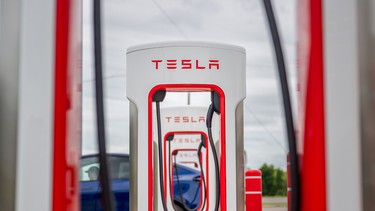
Tesla’s board members have received a staggering total of $3 billion through stock awards, significantly surpassing compensation packages typical in the technology sector. According to a report by Reuters published on December 15, 2023, this compensation structure raises questions about the appropriateness of such remuneration in comparison to the industry standard.
The analysis, conducted by compensation and governance firm Equilar, highlights that Kimbal Musk, the brother of CEO Elon Musk, has earned nearly USD $1 billion since joining the board in 2004. Meanwhile, director Ira Ehrenpreis has amassed approximately USD $869 million since 2007, and board chair Robyn Denholm has received around USD $650 million since 2014.
Comparison with Industry Standards
The compensation figures for Tesla’s board members are markedly higher than their counterparts in similar roles at other technology companies. Between 2018 and 2020, the average total compensation for a Tesla director reached about $12 million in cash and stock. This figure is approximately eight times greater than the average compensation for directors at Alphabet, which ranks as one of the highest-paying companies among the “Magnificent Seven” tech giants.
Even after Tesla suspended stock awards in 2020 due to a lawsuit alleging excessive pay, the average compensation for Tesla directors from 2018 to 2024 remained more than two-and-a-half times that of directors at Meta, another leading tech firm.
Concerns Over Governance and Accountability
The compensation model for Tesla’s board has drawn criticism from governance experts. Douglas Chia, an independent corporate-governance consultant, questioned whether such high pay effectively incentivizes better performance. He stated, “Tesla directors are ridiculously overpaid—are you actually incentivized to do a better job by being paid this much? Probably not.”
Moreover, the report highlights the unusual structure of Tesla’s compensation system, which predominantly relies on stock options rather than direct shares. This method, utilized by only 5% of the top 200 companies in the United States, allows directors to benefit without the same level of risk associated with owning actual shares. As noted by Rachel Levy, a Pulitzer Prize-winning enterprise correspondent, stock options provide less risk since directors do not have to purchase the shares if their value declines. Instead, if the stock appreciates, they can buy shares at a discount and sell them for profit.
Tesla has defended its compensation practices, stating that the pay is “not excessive but directly tied to stock performance and shareholder value creation.” Furthermore, a spokesperson emphasized that board members had participated in 58 full-board or committee meetings in 2024, a frequency that exceeds industry norms.
Despite these assertions, several governance experts argue that the extraordinary compensation undermines the board’s independence and its ability to effectively oversee both Tesla and CEO Elon Musk. The analysis from Equilar suggests that many directors continue to hold substantial amounts of stock options, raising further questions about potential conflicts of interest.
In summary, while Tesla’s approach to compensating its board members has yielded significant financial rewards, it has also sparked a broader conversation about corporate governance and accountability in the tech industry. The report’s findings suggest that being a Tesla board member may represent one of the most lucrative part-time roles available in today’s corporate landscape.

iShares Core Dividend Growth ETF Faces Challenges; Alternatives Suggested

Discover 7 Scenic Hikes Near Calgary to Explore This Spring

Scientists Uncover Life’s Building Blocks in Ryugu Asteroid Samples

Windsor-Essex Unveils New Action Plan to Combat Substance Use

Boost Your Business Visibility with These Local SEO Strategies

East Algoma OPP Urges Public to Limit Travel Amid Hazardous Conditions

Universities Must Rethink Failure to Support Student Growth

Canada Invests $6.4 Million to Boost Green Shipping Corridors

Stony Plain Secures 14th Consecutive Award for Financial Reporting Excellence

Rhythm Pharmaceuticals Reports Strong Q4 Growth Ahead of FDA Decision

Brandon University’s Failed $5 Million Project Sparks Oversight Review

Microsoft Confirms U.S. Law Overrules Canadian Data Sovereignty

Discover Aritzia’s Latest Fashion Trends: A Comprehensive Review

Winnipeg Celebrates Culinary Creativity During Le Burger Week 2025

New SĆIȺNEW̱ SṮEȽIṮḴEȽ Elementary Opens in Langford for 2025/2026 Year

EngineAI Unveils T800 Humanoid Robot, Setting New Industry Standards

Montreal’s Groupe Marcelle Leads Canadian Cosmetic Industry Growth

Tech Innovator Amandipp Singh Transforms Hiring for Disabled

Dragon Ball: Sparking! Zero Launching on Switch and Switch 2 This November

Canmore’s Le Fournil Bakery to Close After 14 Successful Years
-
 Education7 months ago
Brandon University’s Failed $5 Million Project Sparks Oversight Review
-
 Science8 months ago
Microsoft Confirms U.S. Law Overrules Canadian Data Sovereignty
-
 Lifestyle4 months ago
Discover Aritzia’s Latest Fashion Trends: A Comprehensive Review
-
 Lifestyle8 months ago
Winnipeg Celebrates Culinary Creativity During Le Burger Week 2025
-
 Education8 months ago
New SĆIȺNEW̱ SṮEȽIṮḴEȽ Elementary Opens in Langford for 2025/2026 Year
-
 Business4 months ago
EngineAI Unveils T800 Humanoid Robot, Setting New Industry Standards
-
 Health8 months ago
Montreal’s Groupe Marcelle Leads Canadian Cosmetic Industry Growth
-
 Science8 months ago
Tech Innovator Amandipp Singh Transforms Hiring for Disabled
-
 Technology8 months ago
Dragon Ball: Sparking! Zero Launching on Switch and Switch 2 This November
-
 Lifestyle1 month ago
Canmore’s Le Fournil Bakery to Close After 14 Successful Years
-

 Technology3 months ago
Digg Relaunches as Founders Kevin Rose and Alexis Ohanian Join Forces
-
 Top Stories4 months ago
Canadiens Eye Elias Pettersson: What It Would Cost to Acquire Him
-

 Health7 months ago
Eganville Leader to Close in 2026 After 123 Years of Reporting
-

 Education8 months ago
Red River College Launches New Programs to Address Industry Needs
-

 Top Stories4 months ago
Nicol Brothers Shine as Wheat Kings Dominate U18 AAA Hockey
-

 Business8 months ago
BNA Brewing to Open New Bowling Alley in Downtown Penticton
-

 Business7 months ago
Rocket Lab Reports Strong Q2 2025 Revenue Growth and Future Plans
-

 Lifestyle5 months ago
Edmonton’s Beloved Evolution Wonderlounge Closes, New Era Begins
-

 Education6 months ago
Alberta Petition Aims to Redirect Funds from Private to Public Schools
-

 Education8 months ago
Alberta Teachers’ Strike: Potential Impacts on Students and Families
-

 Technology6 months ago
Discord Faces Serious Security Breach Affecting Millions
-

 Technology8 months ago
Google Pixel 10 Pro Fold Specs Unveiled Ahead of Launch
-

 Business8 months ago
Iconic Golden Lion Restaurant in South Surrey to Close After 50 Years
-

 Lifestyle6 months ago
Canadian Author Secures Funding to Write Book Without Financial Strain