
Technology
Mastering Car Seat Safety: Expert Tips for Expecting Parents

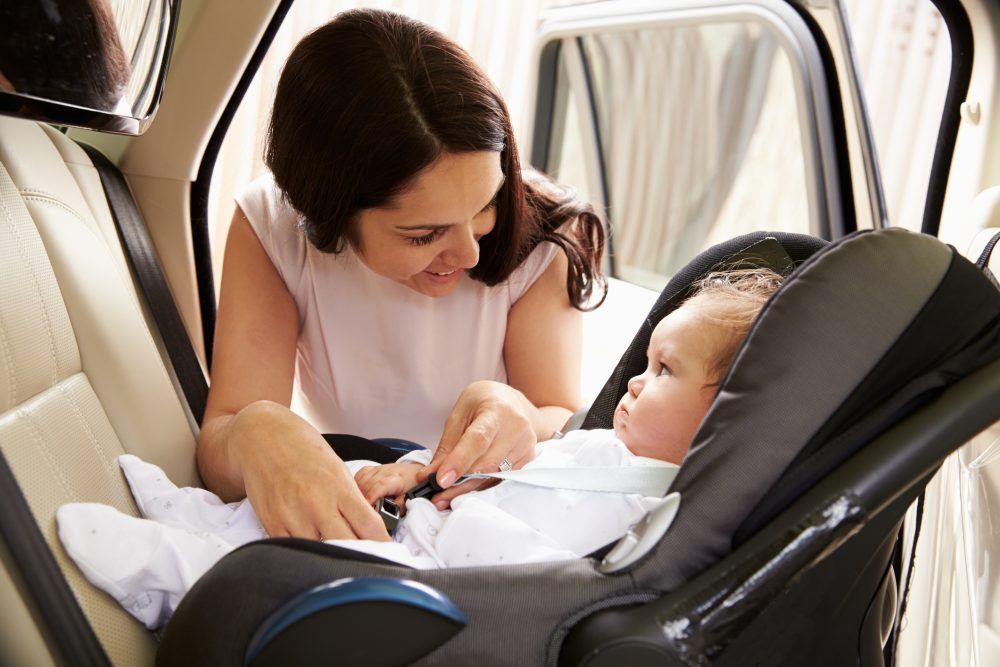
As more expectant parents prepare for the arrival of their children, understanding car seat safety becomes a crucial concern. With statistics indicating that only 19 percent of Canadians use car seats correctly, the need for comprehensive guidance in selecting and installing car seats is more pressing than ever.
To navigate this complex topic, I reached out to experts in the field, including Katherine Hutka, president of the Child Passenger Safety Association of Canada (CPSAC), and Jessica Norris, product manager at CYBEX. Drawing from their insights helps demystify the process of choosing the right car seat, ensuring proper installation, and using it effectively.
Choosing the Right Car Seat
The first step in ensuring child safety during travel is selecting an appropriate car seat. According to Hutka, look for seats that feature the National Safety Mark, which indicates compliance with safety regulations in Canada. She emphasizes that the best car seat is one that fits your child, your vehicle, and your budget.
Norris adds that families have different preferences when it comes to car seats. Some opt for a seat that accommodates each growth stage, while others prefer an all-in-one model like the CYBEX Callisto G 360. Regardless of choice, it’s vital to remember that all seats on the market meet federal safety standards, yet some offer additional features such as side-impact protection.
Correct Installation and Usage
Proper installation of a car seat is essential for ensuring child safety. Hutka advises parents to thoroughly read both the car seat manual and the vehicle manual. Misunderstandings about specific requirements can lead to installation errors.
“Once your seat is installed, give it a firm tug at the belt path,” Norris recommends. “If it moves more than an inch in any direction, it’s too loose.” She also highlights the importance of checking the recline angle, particularly for newborns who require extra support to maintain open airways.
Hutka reiterates that following the manufacturer’s instructions is crucial. If uncertainties arise, parents can reach out to certified child passenger safety technicians for assistance. “The best rule of thumb is to adhere to guidelines based on your child’s age, height, and weight,” she notes. Adjustments to the harness height and buckle positions should be made as children grow, ensuring their safety and comfort.
Common Misconceptions and Safety Practices
Despite available resources, a recent study conducted in collaboration with Dalhousie University found that approximately eight in ten car seats are either misused or improperly installed. This statistic highlights the ongoing need for education and support in child passenger safety.
Hutka explains that many parents may not realize the risks associated with loose installations and harnesses. A proper installation should not shift more than an inch at the belt path, and harnesses must be snug enough that webbing cannot be pinched at the collarbone. Additionally, when using a forward-facing seat, the top tether is essential for minimizing head movement during a collision.
When it comes to keeping children comfortable in their car seats, both experts suggest employing strategies to ease any resistance. For younger children, introducing special toys or comfort items exclusively for car rides can provide reassurance. Norris points out that simple adjustments to the car seat can often address discomfort, such as repositioning the headrest or adjusting harness settings.
It’s also important to consider when children can safely eat or drink in their car seats. Hutka cautions against feeding young children in rear-facing seats due to the choking risk. She recommends waiting until children are reliably chewing well—typically around ages three to four—before allowing snacks in the car.
Final Thoughts on Child Passenger Safety
As the journey into parenthood begins, understanding the intricacies of car seat safety is essential. Hutka encourages parents to avoid exceptions to safety rules, especially when transporting additional children. If a proper car seat is unavailable, it is best to refrain from driving unless an emergency arises.
Norris concludes with a reminder that consistent adherence to safety guidelines is key to keeping children safe. “If you model good habits by always buckling up yourself, they learn that this is just what we do to stay safe,” she says.
By prioritizing education and utilizing the resources available, parents can navigate the complexities of car seat safety with confidence, ensuring their children are protected during every journey.

Red Deer Ranks Among Canada’s Fastest Growing Rental Markets

Red Deer Plans Social Services Campus at Former Peavey Mart Site

Cybercriminals Target Business Insiders on Dark Web for Recruitment

Health Union Raises Alarm Over Hospital Safety in Saskatchewan

Create and Play: HH Bricks Unveils DIY LEGO Connect 4 Set

Red Deer Ranks High in Canada’s Rapidly Growing Rental Markets

Generate Passive Income: Invest $20,000 in Safe Dividends

Roam Transit Celebrates Three Million Riders in Banff Area

Meta Invests US$14 Billion in Next-Gen Nuclear Reactors

Ontario Aims for Universal Primary Care Access by 2029

Brandon University’s Failed $5 Million Project Sparks Oversight Review

Microsoft Confirms U.S. Law Overrules Canadian Data Sovereignty

Winnipeg Celebrates Culinary Creativity During Le Burger Week 2025

Montreal’s Groupe Marcelle Leads Canadian Cosmetic Industry Growth

Tech Innovator Amandipp Singh Transforms Hiring for Disabled

Dragon Ball: Sparking! Zero Launching on Switch and Switch 2 This November

New SĆIȺNEW̱ SṮEȽIṮḴEȽ Elementary Opens in Langford for 2025/2026 Year

Red River College Launches New Programs to Address Industry Needs

Rocket Lab Reports Strong Q2 2025 Revenue Growth and Future Plans

Google Pixel 10 Pro Fold Specs Unveiled Ahead of Launch
-
 Education4 months ago
Brandon University’s Failed $5 Million Project Sparks Oversight Review
-
 Science5 months ago
Microsoft Confirms U.S. Law Overrules Canadian Data Sovereignty
-
 Lifestyle5 months ago
Winnipeg Celebrates Culinary Creativity During Le Burger Week 2025
-
 Health5 months ago
Montreal’s Groupe Marcelle Leads Canadian Cosmetic Industry Growth
-
 Science5 months ago
Tech Innovator Amandipp Singh Transforms Hiring for Disabled
-
 Technology5 months ago
Dragon Ball: Sparking! Zero Launching on Switch and Switch 2 This November
-
 Education5 months ago
New SĆIȺNEW̱ SṮEȽIṮḴEȽ Elementary Opens in Langford for 2025/2026 Year
-
 Education5 months ago
Red River College Launches New Programs to Address Industry Needs
-
 Business4 months ago
Rocket Lab Reports Strong Q2 2025 Revenue Growth and Future Plans
-
 Technology5 months ago
Google Pixel 10 Pro Fold Specs Unveiled Ahead of Launch
-
 Top Stories4 weeks ago
Canadiens Eye Elias Pettersson: What It Would Cost to Acquire Him
-

 Technology3 months ago
Discord Faces Serious Security Breach Affecting Millions
-

 Education5 months ago
Alberta Teachers’ Strike: Potential Impacts on Students and Families
-

 Business1 month ago
EngineAI Unveils T800 Humanoid Robot, Setting New Industry Standards
-

 Business5 months ago
BNA Brewing to Open New Bowling Alley in Downtown Penticton
-

 Science5 months ago
China’s Wukong Spacesuit Sets New Standard for AI in Space
-

 Lifestyle3 months ago
Canadian Author Secures Funding to Write Book Without Financial Strain
-

 Business5 months ago
New Estimates Reveal ChatGPT-5 Energy Use Could Soar
-

 Business3 months ago
Hydro-Québec Espionage Trial Exposes Internal Oversight Failures
-

 Business5 months ago
Dawson City Residents Rally Around Buy Canadian Movement
-

 Technology5 months ago
Future Entertainment Launches DDoD with Gameplay Trailer Showcase
-

 Top Stories4 months ago
Blue Jays Shift José Berríos to Bullpen Ahead of Playoffs
-

 Technology5 months ago
World of Warcraft Players Buzz Over 19-Quest Bee Challenge
-

 Top Stories3 months ago
Patrik Laine Struggles to Make Impact for Canadiens Early Season