
Technology
Innovative Microhome Redefines Sustainable Living in Punjab

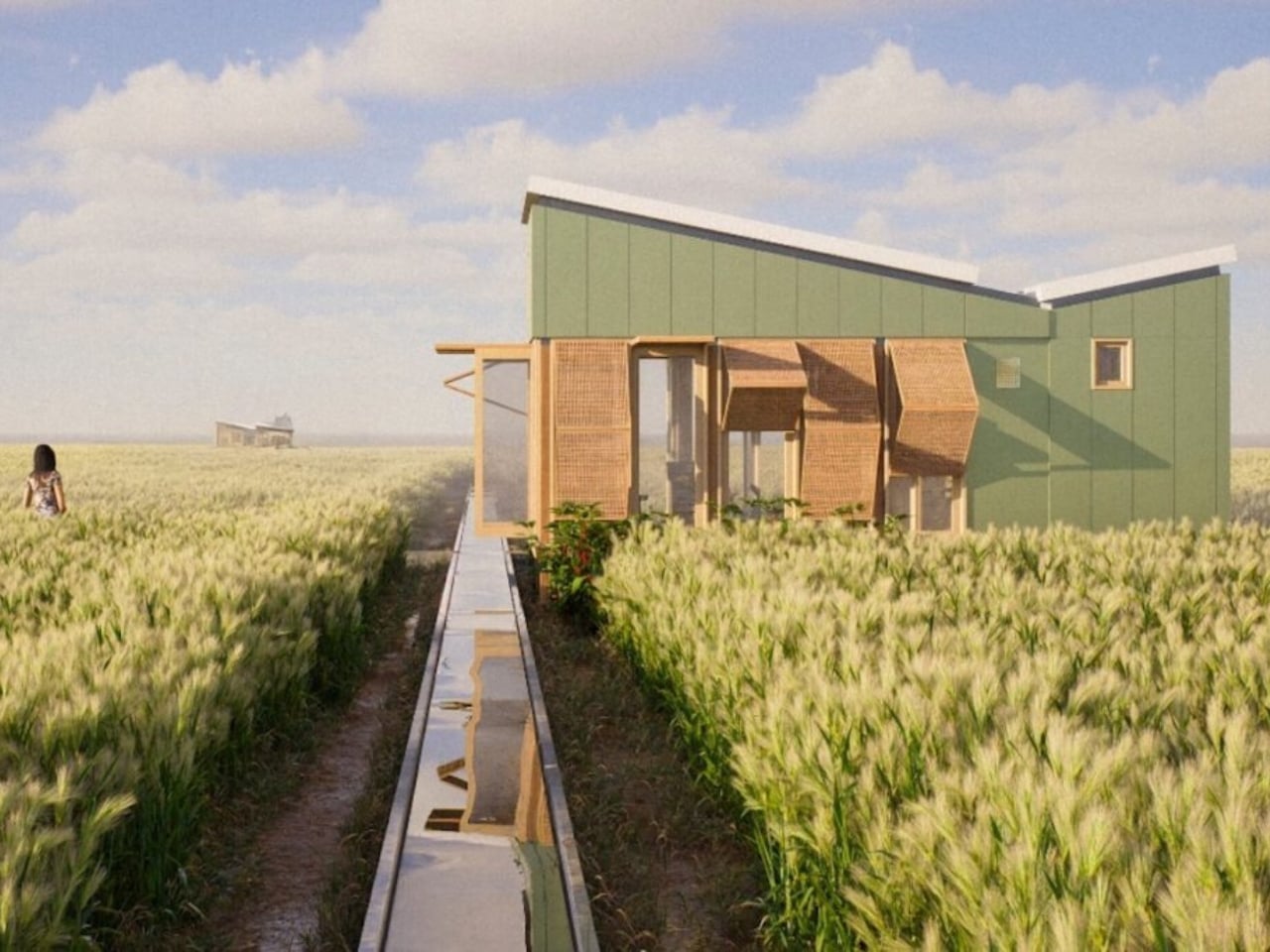
A new microhome designed by architects Aleksa Milojevic and Matthew W Wilde is making waves in sustainable living by actively replenishing groundwater while providing a comfortable living space. Located in Punjab, India—an area grappling with severe groundwater depletion due to intensive farming—this innovative structure, known as Living on Groundwater, is a response to pressing environmental challenges.
Redefining Microhomes as Environmental Solutions
Spanning just 25 square meters, Living on Groundwater is not only a compact dwelling but also a model for environmental stewardship. The microhome incorporates an integrated system for harvesting rainwater and employs greywater recycling. It features an on-site injection well that returns treated water back to the aquifer, establishing it as a hydro-positive housing model. This means it contributes more to the environment than it consumes, effectively reframing the concept of microhomes from mere shelters to essential ecological infrastructure.
The design blends seamlessly with the Punjab agricultural landscape, elevated on a timber frame to minimize ground disturbance. This thoughtful elevation allows for natural water flow, air movement, and vegetation growth beneath the home, ensuring that the earth remains functional and uncompressed, unlike traditional foundations which often seal off the ground.
Thoughtful Design Meets Practical Functionality
The home’s permeable facade invites natural light and integrates the surrounding environment into its ambiance. Its design responds to seasonal changes, offering shade and ventilation during the hot summer months, while capturing warmth and light in the cooler seasons.
Inside, the microhome utilizes a loft-style sleeping area, freeing up the ground level for living and working. This design maximizes the compact 269 square feet of space, featuring modular cabinetry and convertible work surfaces that adapt to residents’ needs. Prefabricated walls and roof assemblies allow for replication across various rural contexts without compromising functionality or environmental benefits.
The brilliance of this design was recognized when Living on Groundwater secured first prize in the Kingspan-funded MICROHOME #10 competition organized by Buildner. The project received €20,000 and accolades from an international jury, which praised its “technically sophisticated integration of building systems, local ecology, and water resilience.” The judges emphasized that this microhome is more than just a low-impact dwelling; it serves as an active agent in environmental repair.
The project’s development involved in-depth research into Indian agricultural history, conducted during a seminar at Yale University. This collaborative effort ensured the design truly addresses the unique challenges faced by the region, rather than imposing a generic solution.
As global housing pressures continue to escalate due to climate change, rising construction costs, and demographic shifts, Living on Groundwater presents a compelling vision for the future. It exemplifies how small-scale architecture can be both aesthetically pleasing and highly functional—compact yet livable, modern yet warm, and sustainable without sacrificing comfort.
This microhome serves as a reminder that the most effective solutions stem from a thorough understanding of the problems at hand, highlighting the importance of designing in harmony with nature.

Red Light Therapy: Dr. Labos Explains Its Effectiveness

Winnipeg Students Learn Bike Repair Skills in Innovative Program

Tenaris Expands Operations with New Service Center in BC

Colm Feore Brings Characters to Life in Oscar-Nominated Short

Researchers Cultivate Fungi on Carrot Waste to Combat Hunger

Advocates Push for National Strategy on Men’s Health in Canada

From Uncertainty to Triumph: One Man’s Journey to Triathlon Success

Scholastic’s Enduring Legacy in Canadian Schools: A Cultural Touchstone

Strategy Transforms into a Leveraged Bitcoin Vehicle, Faces $12.4B Loss

Oswego Panthers Triumph as Ethan Vahl Celebrates 1,000 Points

Brandon University’s Failed $5 Million Project Sparks Oversight Review

Microsoft Confirms U.S. Law Overrules Canadian Data Sovereignty

Winnipeg Celebrates Culinary Creativity During Le Burger Week 2025

Montreal’s Groupe Marcelle Leads Canadian Cosmetic Industry Growth

New SĆIȺNEW̱ SṮEȽIṮḴEȽ Elementary Opens in Langford for 2025/2026 Year

Tech Innovator Amandipp Singh Transforms Hiring for Disabled

Dragon Ball: Sparking! Zero Launching on Switch and Switch 2 This November

EngineAI Unveils T800 Humanoid Robot, Setting New Industry Standards

Digg Relaunches as Founders Kevin Rose and Alexis Ohanian Join Forces

Canadiens Eye Elias Pettersson: What It Would Cost to Acquire Him
-
 Education5 months ago
Brandon University’s Failed $5 Million Project Sparks Oversight Review
-
 Science6 months ago
Microsoft Confirms U.S. Law Overrules Canadian Data Sovereignty
-
 Lifestyle5 months ago
Winnipeg Celebrates Culinary Creativity During Le Burger Week 2025
-
 Health6 months ago
Montreal’s Groupe Marcelle Leads Canadian Cosmetic Industry Growth
-
 Education5 months ago
New SĆIȺNEW̱ SṮEȽIṮḴEȽ Elementary Opens in Langford for 2025/2026 Year
-
 Science6 months ago
Tech Innovator Amandipp Singh Transforms Hiring for Disabled
-
 Technology6 months ago
Dragon Ball: Sparking! Zero Launching on Switch and Switch 2 This November
-
 Business2 months ago
EngineAI Unveils T800 Humanoid Robot, Setting New Industry Standards
-
 Technology3 weeks ago
Digg Relaunches as Founders Kevin Rose and Alexis Ohanian Join Forces
-
Top Stories2 months ago
Canadiens Eye Elias Pettersson: What It Would Cost to Acquire Him
-

 Education6 months ago
Red River College Launches New Programs to Address Industry Needs
-

 Business5 months ago
Rocket Lab Reports Strong Q2 2025 Revenue Growth and Future Plans
-

 Technology6 months ago
Google Pixel 10 Pro Fold Specs Unveiled Ahead of Launch
-

 Education6 months ago
Alberta Teachers’ Strike: Potential Impacts on Students and Families
-

 Technology4 months ago
Discord Faces Serious Security Breach Affecting Millions
-

 Business6 months ago
BNA Brewing to Open New Bowling Alley in Downtown Penticton
-

 Science6 months ago
China’s Wukong Spacesuit Sets New Standard for AI in Space
-

 Lifestyle4 months ago
Canadian Author Secures Funding to Write Book Without Financial Strain
-

 Business6 months ago
New Estimates Reveal ChatGPT-5 Energy Use Could Soar
-

 Business1 month ago
Nvidia and AMD CEOs Unveil AI Innovations at CES 2026
-

 Business4 months ago
Hydro-Québec Espionage Trial Exposes Internal Oversight Failures
-

 Business6 months ago
Dawson City Residents Rally Around Buy Canadian Movement
-

 Top Stories4 months ago
Patrik Laine Struggles to Make Impact for Canadiens Early Season
-

 Technology6 months ago
Future Entertainment Launches DDoD with Gameplay Trailer Showcase