
Technology
Innovative Concept “Check Mate” Transforms Study Experience

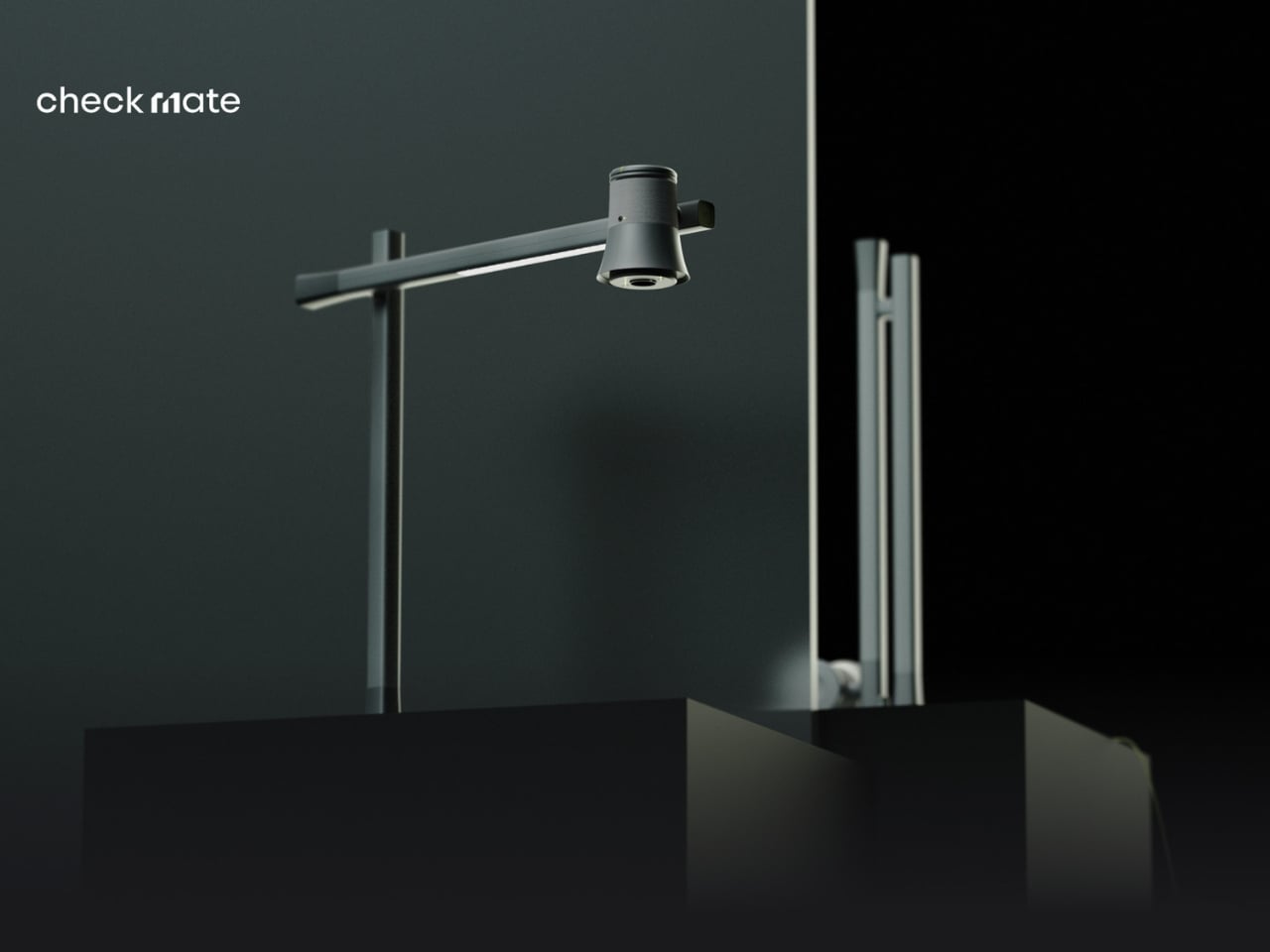
A novel concept design named Check Mate aims to reshape the digital learning experience by creating a more interactive and engaging study environment. Developed by a team of seven designers, including Dongkyun Kim, Jaeryeon Lee, and Jimin Yeo, this innovative study companion addresses the challenges faced by learners in an age dominated by digital tools.
The name “Check Mate” cleverly references the strategic game of chess, symbolizing a decisive moment of achievement. This concept envisions a device that assists users in monitoring their progress and achieving their learning goals while minimizing distractions often associated with digital devices. Its minimalist design, characterized by soft gray tones and vibrant yellow accents, aims to create a welcoming atmosphere conducive to studying.
Designers conducted comprehensive research to understand the needs of digital learners and the shortcomings of current study methods. Their findings revealed that digital learning can lead to passive engagement, susceptibility to misinformation, and a decline in literacy levels, despite the abundance of information available. The challenge lies in effectively learning, rather than merely searching for information.
At first glance, Check Mate appears to be a sophisticated desk lamp with an adjustable arm and a fabric-wrapped head. However, its functionality extends beyond simple illumination. The design integrates advanced features such as a projection system and a wireless charging pad, while the yellow accents serve as tactile interaction points, making the technology more user-friendly.
Revolutionizing the Learning Experience
Check Mate stands out for its potential to redefine the learning experience. The concept proposes the device as a projection tool capable of displaying educational content, facilitating video calls with instructors, and enabling interactive annotations directly onto the workspace or wall. This capability allows users to engage with their materials actively, bridging the gap between physical and digital learning.
By promoting a more natural interaction with information, Check Mate addresses one of the major drawbacks of digital education—the passive relationship users often have with their screens. Instead of consuming content, learners would work with it in a space that feels personal and comfortable.
The concept also emphasizes the importance of packaging design. The proposed kit, adorned in the distinctive yellow and gray color scheme, offers an elevated unboxing experience that encourages users to treat the device as a significant educational tool rather than just another gadget.
As a forward-thinking concept, Check Mate sparks essential discussions about how technology should support learning processes. It challenges the notion that education technology must simply enhance existing methods, advocating instead for a future where devices are designed specifically for the realities of modern learning.
Future of Educational Technology
Digital learning is increasingly prevalent, with remote work, online courses, and hybrid education models becoming the norm. Concepts like Check Mate could inspire the development of tools tailored to these new educational landscapes. The emphasis is on integrating digital and physical spaces, allowing technology to adapt to natural learning processes rather than forcing learners to adapt to it.
In conclusion, Check Mate exemplifies innovative thinking in the education technology sector. By reimagining how we interact with learning materials, this concept may pave the way for more effective and engaging educational experiences in the digital age.

iShares Core Dividend Growth ETF Faces Challenges; Alternatives Suggested

Discover 7 Scenic Hikes Near Calgary to Explore This Spring

Scientists Uncover Life’s Building Blocks in Ryugu Asteroid Samples

Windsor-Essex Unveils New Action Plan to Combat Substance Use

Boost Your Business Visibility with These Local SEO Strategies

East Algoma OPP Urges Public to Limit Travel Amid Hazardous Conditions

Universities Must Rethink Failure to Support Student Growth

Canada Invests $6.4 Million to Boost Green Shipping Corridors

Stony Plain Secures 14th Consecutive Award for Financial Reporting Excellence

Rhythm Pharmaceuticals Reports Strong Q4 Growth Ahead of FDA Decision

Brandon University’s Failed $5 Million Project Sparks Oversight Review

Microsoft Confirms U.S. Law Overrules Canadian Data Sovereignty

Discover Aritzia’s Latest Fashion Trends: A Comprehensive Review

Winnipeg Celebrates Culinary Creativity During Le Burger Week 2025

New SĆIȺNEW̱ SṮEȽIṮḴEȽ Elementary Opens in Langford for 2025/2026 Year

EngineAI Unveils T800 Humanoid Robot, Setting New Industry Standards

Montreal’s Groupe Marcelle Leads Canadian Cosmetic Industry Growth

Tech Innovator Amandipp Singh Transforms Hiring for Disabled

Dragon Ball: Sparking! Zero Launching on Switch and Switch 2 This November

Canmore’s Le Fournil Bakery to Close After 14 Successful Years
-
 Education7 months ago
Brandon University’s Failed $5 Million Project Sparks Oversight Review
-
 Science8 months ago
Microsoft Confirms U.S. Law Overrules Canadian Data Sovereignty
-
 Lifestyle4 months ago
Discover Aritzia’s Latest Fashion Trends: A Comprehensive Review
-
 Lifestyle8 months ago
Winnipeg Celebrates Culinary Creativity During Le Burger Week 2025
-
 Education8 months ago
New SĆIȺNEW̱ SṮEȽIṮḴEȽ Elementary Opens in Langford for 2025/2026 Year
-
 Business4 months ago
EngineAI Unveils T800 Humanoid Robot, Setting New Industry Standards
-
 Health8 months ago
Montreal’s Groupe Marcelle Leads Canadian Cosmetic Industry Growth
-
 Science8 months ago
Tech Innovator Amandipp Singh Transforms Hiring for Disabled
-
 Technology8 months ago
Dragon Ball: Sparking! Zero Launching on Switch and Switch 2 This November
-
 Lifestyle1 month ago
Canmore’s Le Fournil Bakery to Close After 14 Successful Years
-

 Technology3 months ago
Digg Relaunches as Founders Kevin Rose and Alexis Ohanian Join Forces
-
 Top Stories4 months ago
Canadiens Eye Elias Pettersson: What It Would Cost to Acquire Him
-

 Health7 months ago
Eganville Leader to Close in 2026 After 123 Years of Reporting
-

 Education8 months ago
Red River College Launches New Programs to Address Industry Needs
-

 Top Stories4 months ago
Nicol Brothers Shine as Wheat Kings Dominate U18 AAA Hockey
-

 Business8 months ago
BNA Brewing to Open New Bowling Alley in Downtown Penticton
-

 Business7 months ago
Rocket Lab Reports Strong Q2 2025 Revenue Growth and Future Plans
-

 Lifestyle5 months ago
Edmonton’s Beloved Evolution Wonderlounge Closes, New Era Begins
-

 Education6 months ago
Alberta Petition Aims to Redirect Funds from Private to Public Schools
-

 Education8 months ago
Alberta Teachers’ Strike: Potential Impacts on Students and Families
-

 Technology6 months ago
Discord Faces Serious Security Breach Affecting Millions
-

 Technology8 months ago
Google Pixel 10 Pro Fold Specs Unveiled Ahead of Launch
-

 Business8 months ago
Iconic Golden Lion Restaurant in South Surrey to Close After 50 Years
-

 Lifestyle6 months ago
Canadian Author Secures Funding to Write Book Without Financial Strain