
Health
Moose Jaw Health Centre Faces Scrutiny After ALS Patient’s Death

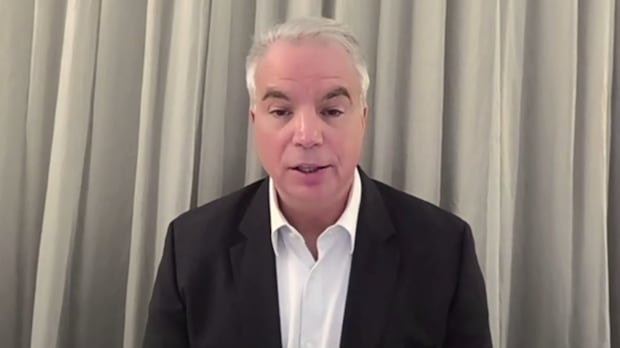
Dayan Goodenowe, founder of the Dr. Goodenowe Restorative Health Centre in Moose Jaw, Saskatchewan, has expressed concerns that his facility is being targeted by the “ALS drug industry” in response to a recent investigative report by CBC News. The report focused on the case of Susie Silvestri, a 70-year-old American who sought treatment at Goodenowe’s centre, which claims to have achieved a 100 percent success rate in halting the progression of amyotrophic lateral sclerosis (ALS). Silvestri, who invested $84,000 USD in a program she believed would cure her condition, died from late-stage ALS less than four months after beginning treatment.
In an email sent to supporters on December 5, 2024, Goodenowe described the CBC investigation as an indication that he poses a “direct threat” to the existing ALS drug market. He referred to a “coordinated ‘shock and awe’ attack” orchestrated by the ALS drug industry and the ALS Association, aimed at undermining his business. His claims followed a report detailing Silvestri’s struggles, including her inability to secure a feeding tube due to insurance complications, leading to her eventual death in a Montana hospital.
Silvestri’s situation has prompted calls for investigations from Saskatchewan politicians. The province’s health minister asked the consumer affairs authority to evaluate whether the health centre accurately represents its services. The Opposition NDP has requested a police investigation into potential criminal allegations against the facility, expressing serious concerns about its practices.
In response, Goodenowe accused the NDP of “grandstanding” and urged his supporters to contact their elected officials. He emphasized the purported benefits of his health centre in a video posted online, where he defended his practices and criticized the CBC’s report. Goodenowe asserted that Silvestri’s health improved during her time at his facility, claiming she could “wiggle her toes” and had a stronger voice by the time of her discharge.
Despite Goodenowe’s assertions, Silvestri’s medical records tell a different story. Documents reviewed by CBC indicate that her health deteriorated during her stay at the centre, culminating in multiple hospital admissions for various complications related to ALS. A physician’s notes emphasized “ALS progression” and raised concerns about Silvestri’s ability to eat and swallow, ultimately recommending a feeding tube.
Goodenowe’s claims of improvement have been met with skepticism from former employees of the centre. One anonymous staff member, who cared for Silvestri, stated, “While there were some good days, the bad days clearly outweighed the good ones.” This employee highlighted that Goodenowe was not involved in the day-to-day care of Silvestri and questioned the validity of his claims.
The ALS Society of Saskatchewan, represented by its executive director Denis Simard, clarified that their organization routinely advocates for the Saskatchewan government to fund drugs approved by Health Canada for ALS patients. Simard noted that there is an existing assessment centre in Saskatoon for ALS patients, and the society has been lobbying for increased resources to support these individuals.
Silvestri’s family has expressed their disillusionment with the treatment she received. Following her death, they described her experience at the Goodenowe centre as one of “false hope.” The emotional toll of her illness was compounded by complications arising from her treatment and the lack of support from her health insurance.
As the allegations against Goodenowe’s health centre continue to unfold, he maintains that his facility provides essential services to ALS patients. He has repeatedly stated that every client leaves his centre in better condition than when they arrived, a claim that remains contentious in light of Silvestri’s tragic case.
The ongoing scrutiny of the Dr. Goodenowe Restorative Health Centre raises significant questions about the accountability of alternative treatment facilities and the protections available for vulnerable patients seeking help in the face of terminal illnesses.

Red Deer Ranks Among Canada’s Fastest Growing Rental Markets

Red Deer Plans Social Services Campus at Former Peavey Mart Site

Cybercriminals Target Business Insiders on Dark Web for Recruitment

Health Union Raises Alarm Over Hospital Safety in Saskatchewan

Create and Play: HH Bricks Unveils DIY LEGO Connect 4 Set

Red Deer Ranks High in Canada’s Rapidly Growing Rental Markets

Generate Passive Income: Invest $20,000 in Safe Dividends

Roam Transit Celebrates Three Million Riders in Banff Area

Meta Invests US$14 Billion in Next-Gen Nuclear Reactors

Ontario Aims for Universal Primary Care Access by 2029

Brandon University’s Failed $5 Million Project Sparks Oversight Review

Microsoft Confirms U.S. Law Overrules Canadian Data Sovereignty

Winnipeg Celebrates Culinary Creativity During Le Burger Week 2025

Montreal’s Groupe Marcelle Leads Canadian Cosmetic Industry Growth

Tech Innovator Amandipp Singh Transforms Hiring for Disabled

Dragon Ball: Sparking! Zero Launching on Switch and Switch 2 This November

New SĆIȺNEW̱ SṮEȽIṮḴEȽ Elementary Opens in Langford for 2025/2026 Year

Red River College Launches New Programs to Address Industry Needs

Rocket Lab Reports Strong Q2 2025 Revenue Growth and Future Plans

Google Pixel 10 Pro Fold Specs Unveiled Ahead of Launch
-
 Education4 months ago
Brandon University’s Failed $5 Million Project Sparks Oversight Review
-
 Science5 months ago
Microsoft Confirms U.S. Law Overrules Canadian Data Sovereignty
-
 Lifestyle5 months ago
Winnipeg Celebrates Culinary Creativity During Le Burger Week 2025
-
 Health5 months ago
Montreal’s Groupe Marcelle Leads Canadian Cosmetic Industry Growth
-
 Science5 months ago
Tech Innovator Amandipp Singh Transforms Hiring for Disabled
-
 Technology5 months ago
Dragon Ball: Sparking! Zero Launching on Switch and Switch 2 This November
-
 Education5 months ago
New SĆIȺNEW̱ SṮEȽIṮḴEȽ Elementary Opens in Langford for 2025/2026 Year
-
 Education5 months ago
Red River College Launches New Programs to Address Industry Needs
-
 Business4 months ago
Rocket Lab Reports Strong Q2 2025 Revenue Growth and Future Plans
-
 Technology5 months ago
Google Pixel 10 Pro Fold Specs Unveiled Ahead of Launch
-
 Top Stories4 weeks ago
Canadiens Eye Elias Pettersson: What It Would Cost to Acquire Him
-

 Technology3 months ago
Discord Faces Serious Security Breach Affecting Millions
-

 Education5 months ago
Alberta Teachers’ Strike: Potential Impacts on Students and Families
-

 Business1 month ago
EngineAI Unveils T800 Humanoid Robot, Setting New Industry Standards
-

 Business5 months ago
BNA Brewing to Open New Bowling Alley in Downtown Penticton
-

 Science5 months ago
China’s Wukong Spacesuit Sets New Standard for AI in Space
-

 Lifestyle3 months ago
Canadian Author Secures Funding to Write Book Without Financial Strain
-

 Business5 months ago
New Estimates Reveal ChatGPT-5 Energy Use Could Soar
-

 Business3 months ago
Hydro-Québec Espionage Trial Exposes Internal Oversight Failures
-

 Business5 months ago
Dawson City Residents Rally Around Buy Canadian Movement
-

 Technology5 months ago
Future Entertainment Launches DDoD with Gameplay Trailer Showcase
-

 Top Stories4 months ago
Blue Jays Shift José Berríos to Bullpen Ahead of Playoffs
-

 Technology5 months ago
World of Warcraft Players Buzz Over 19-Quest Bee Challenge
-

 Top Stories3 months ago
Patrik Laine Struggles to Make Impact for Canadiens Early Season