
Education
Canadian Universities Confront Misrepresentation of Indigenous Identities

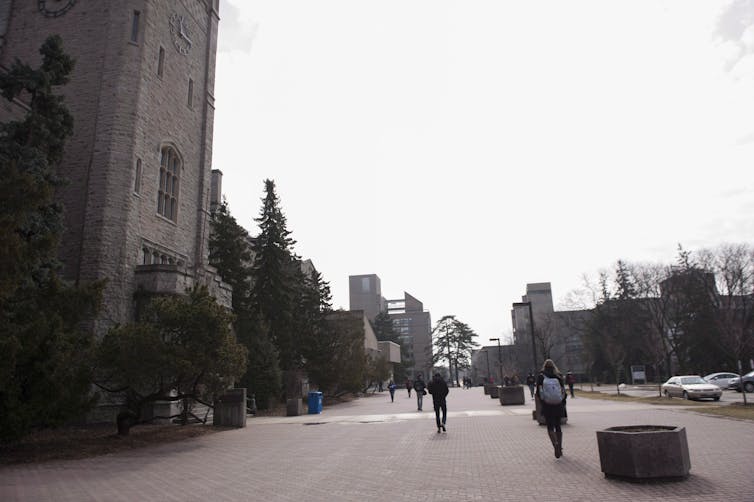
Recent revelations about misrepresentations of Indigenous identities have prompted Canadian universities to take significant steps toward developing policies aimed at addressing this issue. The case of Thomas King, a prominent author whose claims of Indigenous ancestry have been called into question, has highlighted the need for deeper conversations about Indigenous identity and authenticity in academic settings.
King, known for his influential works such as The Inconvenient Indian and The Back of the Turtle, was widely respected in both Indigenous and non-Indigenous communities. His literary contributions shaped the understanding of Indigenous experiences for many readers. However, recent discussions revealed that he does not possess Indigenous ancestry, raising concerns about the credibility of identity claims within academia.
In light of these developments, institutions like the University of Guelph, University of Manitoba, and University of Winnipeg are actively engaging in community consultations to formulate policies on Indigenous identity verification. The University of Montréal is also working towards a policy on Indigenous self-declaration, although it has yet to be formalized. These measures aim to mitigate the risks associated with false claims while fostering a respectful understanding of Indigenous identity.
Complexities of Indigenous Identity
The issue of identity is complex and deeply personal, influenced by historical events such as the Sixties Scoop, which resulted in many Indigenous individuals losing their connections to their communities. As universities navigate the development of these policies, it is essential to approach the topic with sensitivity. Viewing the challenges surrounding identity as obstacles can overshadow the nuanced realities faced by many Indigenous people.
The rights of Indigenous nations and individuals are central to this discussion. Many academics assert that Indigenous communities are best positioned to determine how identity should be defined within their contexts. This perspective aligns with Article 33 of the United Nations Declaration on the Rights of Indigenous Peoples, which affirms the right of Indigenous peoples to self-identify based on their own customs and traditions.
While connections to Indigenous communities are vital for identity claims, it is also crucial to consider those who may not have clear ties. The implications of identity misrepresentation extend beyond individual cases, affecting community cohesion and trust. False claims can undermine the integrity of academic institutions and create divisions within Indigenous and academic communities.
Addressing Non-Material Impacts
As universities develop policies to regulate false claims—often motivated by material benefits such as funding or employment—attention must also be paid to the non-material impacts. The erosion of trust within communities and among scholars can have lasting negative effects on the academic landscape.
Following the controversy surrounding King, he publicly acknowledged his misrepresentation, reflecting on the personal and communal ramifications. In an essay published in The Globe and Mail, he discussed his discoveries about his ancestry and the impact of his earlier claims. This admission opens a space for dialogue, emphasizing the importance of honesty and transparency in discussions about identity.
Both Frank Deer and Annie Pullen Sansfaçon, who have expertise in Indigenous education and intersectional justice, recognize the vital role that universities play in addressing these challenges. With funding from the Social Sciences and Humanities Research Council of Canada and the Canada Research Chair Program, they aim to contribute to ongoing efforts that foster understanding and respect for Indigenous identities.
The journey towards meaningful policies on Indigenous identity in Canadian universities is only beginning. As these institutions navigate complex conversations, they have the opportunity to create environments that honor authentic identities while addressing the pressing issues of misrepresentation. The path forward requires a commitment to inclusivity, respect, and a genuine understanding of the diverse experiences within Indigenous communities.

iShares Core Dividend Growth ETF Faces Challenges; Alternatives Suggested

Discover 7 Scenic Hikes Near Calgary to Explore This Spring

Scientists Uncover Life’s Building Blocks in Ryugu Asteroid Samples

Windsor-Essex Unveils New Action Plan to Combat Substance Use

Boost Your Business Visibility with These Local SEO Strategies

East Algoma OPP Urges Public to Limit Travel Amid Hazardous Conditions

Universities Must Rethink Failure to Support Student Growth

Canada Invests $6.4 Million to Boost Green Shipping Corridors

Stony Plain Secures 14th Consecutive Award for Financial Reporting Excellence

Rhythm Pharmaceuticals Reports Strong Q4 Growth Ahead of FDA Decision

Brandon University’s Failed $5 Million Project Sparks Oversight Review

Microsoft Confirms U.S. Law Overrules Canadian Data Sovereignty

Winnipeg Celebrates Culinary Creativity During Le Burger Week 2025

Discover Aritzia’s Latest Fashion Trends: A Comprehensive Review

New SĆIȺNEW̱ SṮEȽIṮḴEȽ Elementary Opens in Langford for 2025/2026 Year

EngineAI Unveils T800 Humanoid Robot, Setting New Industry Standards

Montreal’s Groupe Marcelle Leads Canadian Cosmetic Industry Growth

Tech Innovator Amandipp Singh Transforms Hiring for Disabled

Dragon Ball: Sparking! Zero Launching on Switch and Switch 2 This November

Digg Relaunches as Founders Kevin Rose and Alexis Ohanian Join Forces
-
 Education7 months ago
Brandon University’s Failed $5 Million Project Sparks Oversight Review
-
 Science8 months ago
Microsoft Confirms U.S. Law Overrules Canadian Data Sovereignty
-
 Lifestyle7 months ago
Winnipeg Celebrates Culinary Creativity During Le Burger Week 2025
-
 Lifestyle4 months ago
Discover Aritzia’s Latest Fashion Trends: A Comprehensive Review
-
 Education7 months ago
New SĆIȺNEW̱ SṮEȽIṮḴEȽ Elementary Opens in Langford for 2025/2026 Year
-
 Business4 months ago
EngineAI Unveils T800 Humanoid Robot, Setting New Industry Standards
-
 Health8 months ago
Montreal’s Groupe Marcelle Leads Canadian Cosmetic Industry Growth
-
 Science8 months ago
Tech Innovator Amandipp Singh Transforms Hiring for Disabled
-
 Technology8 months ago
Dragon Ball: Sparking! Zero Launching on Switch and Switch 2 This November
-
 Technology3 months ago
Digg Relaunches as Founders Kevin Rose and Alexis Ohanian Join Forces
-

 Lifestyle4 weeks ago
Canmore’s Le Fournil Bakery to Close After 14 Successful Years
-
 Top Stories4 months ago
Canadiens Eye Elias Pettersson: What It Would Cost to Acquire Him
-

 Health7 months ago
Eganville Leader to Close in 2026 After 123 Years of Reporting
-

 Education8 months ago
Red River College Launches New Programs to Address Industry Needs
-

 Top Stories4 months ago
Nicol Brothers Shine as Wheat Kings Dominate U18 AAA Hockey
-

 Business8 months ago
BNA Brewing to Open New Bowling Alley in Downtown Penticton
-

 Business7 months ago
Rocket Lab Reports Strong Q2 2025 Revenue Growth and Future Plans
-

 Education6 months ago
Alberta Petition Aims to Redirect Funds from Private to Public Schools
-

 Lifestyle5 months ago
Edmonton’s Beloved Evolution Wonderlounge Closes, New Era Begins
-

 Education8 months ago
Alberta Teachers’ Strike: Potential Impacts on Students and Families
-

 Technology6 months ago
Discord Faces Serious Security Breach Affecting Millions
-

 Technology8 months ago
Google Pixel 10 Pro Fold Specs Unveiled Ahead of Launch
-

 Business7 months ago
Iconic Golden Lion Restaurant in South Surrey to Close After 50 Years
-

 Science8 months ago
China’s Wukong Spacesuit Sets New Standard for AI in Space