
Business
Vive Crop Protection Secures $12.3 Million for Sustainable Farming

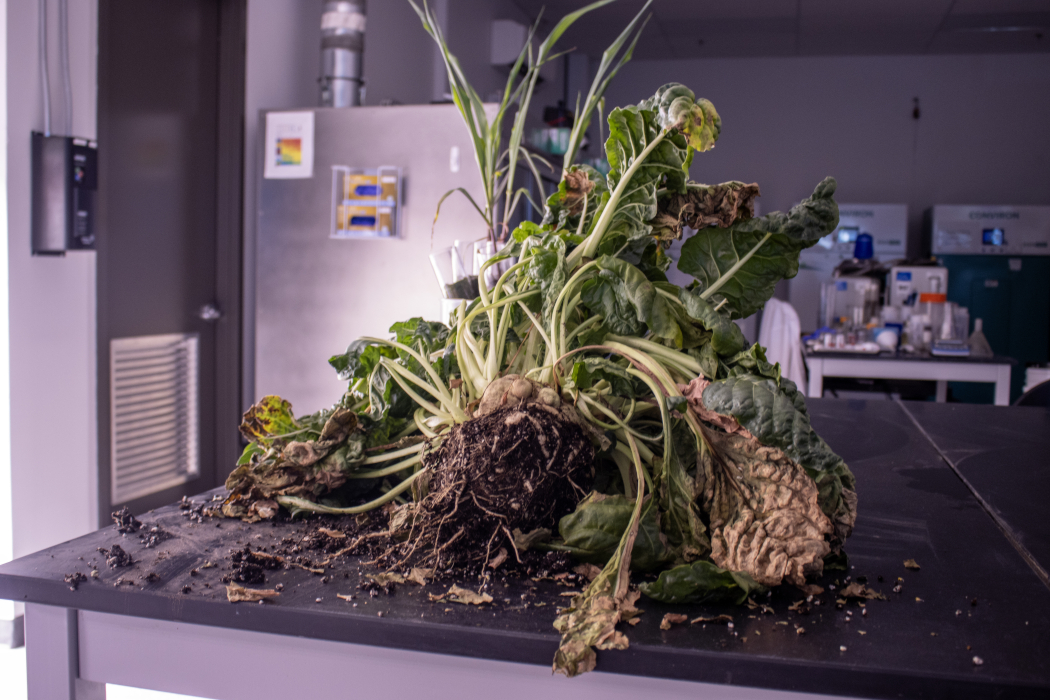
Vive Crop Protection, a Canadian AgTech company, has successfully raised over $12.3 million in funding aimed at reducing the reliance on harmful pesticides while enhancing crop yields. The company’s innovative approach combines precision chemistry with sustainable agricultural practices, offering farmers a viable alternative to traditional pesticide use.
The funding includes $2.3 million from the Federal Economic Development Agency for Southern Ontario (FedDev Ontario) and an additional $10 million USD in a recent oversubscribed funding round. Investors include Emmertech, iSelect Fund, BDC Capital, and Farm Credit Canada through its investment arm, FCC Capital. This financial backing underscores a growing commitment to sustainable agriculture in Canada.
Driving Change in Agriculture
Darren Anderson, co-founder and CEO of Vive, emphasizes the importance of technology as a positive force in agriculture. “It’s always been incredibly important to me that technology can be a force for good in agriculture,” he stated. Vive aims to maximize crop protection while minimizing chemical usage, aligning with the global shift towards environmentally responsible farming.
Vive’s patented delivery system, known as Allosperse, is designed to ensure active ingredients, such as fungicides and fertilizers, are applied precisely where needed. This reduces waste and enhances productivity. “When Vive creates a fungicide, we need to keep that on the plant, because that is where it’s doing its job,” explained Douglas Baumann, Chief Technology Officer.
By optimizing application methods, Vive allows farmers to complete their tasks more efficiently. As Baumann noted, “Now, a farmer, instead of driving through the field twice, can do it once, saving them time.”
Impact on Sustainability
Vive Crop Protection’s innovations reflect broader trends in Canadian agriculture. Although the Canadian economy has faced challenges, the agricultural sector remains robust, employing over 2.3 million people and contributing nearly 7 percent to the country’s GDP. The company seeks to enhance this resilience through advanced technologies.
A recent study commissioned by Vive from Pinion, a consulting firm specializing in food and agriculture, highlights the sustainability benefits of its products. Analysis of internal data and over 500 field trials revealed significant reductions in resource usage. The study found that Vive’s products decreased water consumption by up to 20 gallons (76 litres) per acre and reduced the use of synthetic active ingredients by an average of 54 percent. Additionally, greenhouse gas emissions were cut by 70 percent.
These findings align with Vive’s commitment to advancing sustainability in agriculture. Anderson noted that improvements in efficiency often lead to environmental benefits. “Anytime you’re improving effectiveness or efficiency, you almost always end up getting sustainability benefits along for free,” he said.
With seven products currently available on the U.S. market and plans to expand its reach to 200 million acres in Canada by the end of 2025, Vive Crop Protection is positioning itself as a leader in the AgTech industry. The recent opening of its “precision-chemistry” lab further supports its mission to develop effective, environmentally friendly solutions for farmers.
Vive’s approach not only promises to safeguard crop yields but also addresses the pressing need for sustainable farming practices. As the company continues to innovate and grow, it embodies a significant shift towards a more responsible agricultural future.

AI Tools Transform Embryo Selection in IVF Procedures

U.K. Health Agency Discovers New Mpox Strain Amid Global Concerns

Paramount Challenges Netflix’s $82.7 Billion Bid for Warner Bros

Manteno Celebrates Christmas with Joyful Festivities on December 6

Beyond Oil Ltd. Celebrates Toronto Stock Exchange Listing

Sault Ste. Marie Library Hosts Annual Christmas Open House

G7 Ministers Convene in Montreal to Discuss AI and Quantum Technologies

Eight-Year-Old Michael Gomes Meets Blue Jays Star George Springer

Ottawa Police Charge Drivers in Festive RIDE Campaign Crackdown

Students Transform Classrooms into Native Prairie Plant Labs

Brandon University’s Failed $5 Million Project Sparks Oversight Review

Microsoft Confirms U.S. Law Overrules Canadian Data Sovereignty

Winnipeg Celebrates Culinary Creativity During Le Burger Week 2025

Montreal’s Groupe Marcelle Leads Canadian Cosmetic Industry Growth

Tech Innovator Amandipp Singh Transforms Hiring for Disabled

Dragon Ball: Sparking! Zero Launching on Switch and Switch 2 This November

Red River College Launches New Programs to Address Industry Needs

Google Pixel 10 Pro Fold Specs Unveiled Ahead of Launch

Rocket Lab Reports Strong Q2 2025 Revenue Growth and Future Plans

Discord Faces Serious Security Breach Affecting Millions
-
 Education3 months ago
Brandon University’s Failed $5 Million Project Sparks Oversight Review
-
 Science4 months ago
Microsoft Confirms U.S. Law Overrules Canadian Data Sovereignty
-
 Lifestyle3 months ago
Winnipeg Celebrates Culinary Creativity During Le Burger Week 2025
-
 Health4 months ago
Montreal’s Groupe Marcelle Leads Canadian Cosmetic Industry Growth
-
 Science4 months ago
Tech Innovator Amandipp Singh Transforms Hiring for Disabled
-
 Technology4 months ago
Dragon Ball: Sparking! Zero Launching on Switch and Switch 2 This November
-
 Education4 months ago
Red River College Launches New Programs to Address Industry Needs
-
 Technology4 months ago
Google Pixel 10 Pro Fold Specs Unveiled Ahead of Launch
-
 Business3 months ago
Rocket Lab Reports Strong Q2 2025 Revenue Growth and Future Plans
-
 Technology2 months ago
Discord Faces Serious Security Breach Affecting Millions
-

 Education4 months ago
Alberta Teachers’ Strike: Potential Impacts on Students and Families
-

 Education3 months ago
New SĆIȺNEW̱ SṮEȽIṮḴEȽ Elementary Opens in Langford for 2025/2026 Year
-

 Science4 months ago
China’s Wukong Spacesuit Sets New Standard for AI in Space
-

 Business4 months ago
BNA Brewing to Open New Bowling Alley in Downtown Penticton
-

 Technology4 months ago
World of Warcraft Players Buzz Over 19-Quest Bee Challenge
-

 Business4 months ago
New Estimates Reveal ChatGPT-5 Energy Use Could Soar
-

 Business4 months ago
Dawson City Residents Rally Around Buy Canadian Movement
-

 Technology2 months ago
Huawei MatePad 12X Redefines Tablet Experience for Professionals
-

 Technology4 months ago
Future Entertainment Launches DDoD with Gameplay Trailer Showcase
-

 Technology4 months ago
Global Launch of Ragnarok M: Classic Set for September 3, 2025
-

 Technology4 months ago
Innovative 140W GaN Travel Adapter Combines Power and Convenience
-

 Top Stories3 months ago
Blue Jays Shift José Berríos to Bullpen Ahead of Playoffs
-

 Science4 months ago
Xi Labs Innovates with New AI Operating System Set for 2025 Launch
-

 Technology4 months ago
New IDR01 Smart Ring Offers Advanced Sports Tracking for $169