
Business
Southeast Asia Pushes Renewable Energy Amid Heavy Fossil Fuel Use

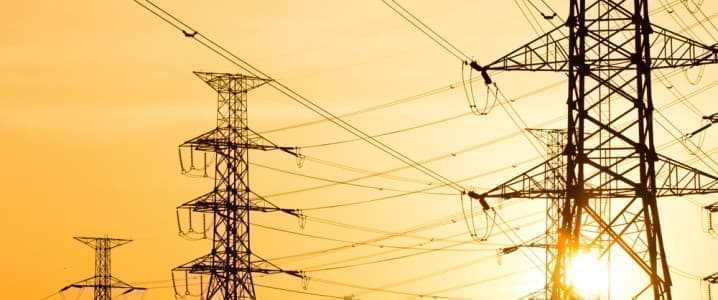
Southeast Asia is at a pivotal point in its energy landscape, with countries like Vietnam, the Philippines, and Indonesia striving to transition from fossil fuels to renewable energy. These nations, which together account for nearly 60 percent of the Association of Southeast Asian Nations (ASEAN) power demand and emissions, are initiating strategies aimed at decarbonising their economies to combat rising emissions linked to coal, oil, and gas reliance.
To facilitate this transition, Vietnam, the Philippines, and Indonesia are actively seeking to boost their renewable energy capacities. In 2024, these three countries attracted a remarkable $4.6 billion in clean energy investments, supported by robust policy frameworks and targeted incentives designed to draw private investment into the renewable sector. For instance, in November 2024, Brookfield Asset Management, a Canadian multinational, announced plans to invest in renewable energy ventures across all three countries. This follows Brookfield’s acquisition of Alba Renewables, which possesses a significant portfolio of 1.8 GW in wind, solar, and battery storage assets, primarily in the Philippines and Thailand.
Daniel Cheng, head of renewable power and transition for Brookfield Asia-Pacific, emphasised the region’s potential, stating, “Southeast Asia is at the forefront of the global energy transition, with surging demand, favourable policy frameworks, and a deep need not just for capital, but also experienced operators with strong track records of unlocking renewable power at scale.” He added that their recent acquisition aims to catalyse platforms that deliver reliable, low-carbon energy where it is most needed.
The Philippines currently generates 21 percent of its electricity from low-carbon sources, with geothermal energy being the largest contributor at 8.3 percent, followed closely by hydropower at 8 percent. Despite this progress, the nation has seen its power sector emissions triple over the past two decades due to increased coal dependency. To address this, the Philippine government has set an ambitious target of achieving 35 percent renewable electricity by 2030, with a long-term goal of 50 percent by 2040. To bolster its efforts, it recently signed a $15 billion agreement with Masdar, a UAE-based company, to enhance solar and wind projects alongside battery storage initiatives.
Indonesia, on the other hand, currently derives only 20 percent of its electricity from renewable sources. Hydropower remains the predominant renewable source, contributing around 8 percent of the electricity generation, while wind and solar only represent 0.2 percent. The surge in electricity demand has compelled the Indonesian government to rely heavily on coal and gas. In 2023, Indonesia secured $20 billion in funding under the Just Energy Transition Partnership (JETP), which aims to support renewable energy deployment. The draft plan targets achieving at least 44 percent renewable power generation by 2030, up from 12 percent in 2022, alongside efforts to reduce grid emissions to 250 million metric tonnes of CO2 by the same year.
Meanwhile, Vietnam has made significant strides in developing its renewable energy sector, with 44 percent of its electricity generated from low-carbon sources in 2024, surpassing the global average of 41 percent. Hydropower accounts for 31 percent, while solar and wind contribute 13 percent. The government aims for an energy mix of 47 percent renewable electricity by 2030. Between 2018 and 2023, Vietnam dramatically increased its solar and wind capacity from nearly zero to over 21 GW, driven by supportive government policies that attracted significant private investment.
Despite their ongoing reliance on coal, Vietnam, the Philippines, and Indonesia are firmly committed to building robust renewable energy industries. The case of Vietnam illustrates how effective government policies can facilitate a rapid transition towards a sustainable energy future through private sector engagement.
As Southeast Asia navigates this critical energy transition, the concerted efforts of these nations reflect a growing recognition of the urgent need to shift towards cleaner, more sustainable energy sources, thereby contributing to global climate goals and enhancing energy security in the region.

iShares Core Dividend Growth ETF Faces Challenges; Alternatives Suggested

Discover 7 Scenic Hikes Near Calgary to Explore This Spring

Scientists Uncover Life’s Building Blocks in Ryugu Asteroid Samples

Windsor-Essex Unveils New Action Plan to Combat Substance Use

Boost Your Business Visibility with These Local SEO Strategies

East Algoma OPP Urges Public to Limit Travel Amid Hazardous Conditions

Universities Must Rethink Failure to Support Student Growth

Canada Invests $6.4 Million to Boost Green Shipping Corridors

Stony Plain Secures 14th Consecutive Award for Financial Reporting Excellence

Rhythm Pharmaceuticals Reports Strong Q4 Growth Ahead of FDA Decision

Brandon University’s Failed $5 Million Project Sparks Oversight Review

Microsoft Confirms U.S. Law Overrules Canadian Data Sovereignty

Winnipeg Celebrates Culinary Creativity During Le Burger Week 2025

Discover Aritzia’s Latest Fashion Trends: A Comprehensive Review

New SĆIȺNEW̱ SṮEȽIṮḴEȽ Elementary Opens in Langford for 2025/2026 Year

EngineAI Unveils T800 Humanoid Robot, Setting New Industry Standards

Montreal’s Groupe Marcelle Leads Canadian Cosmetic Industry Growth

Tech Innovator Amandipp Singh Transforms Hiring for Disabled

Dragon Ball: Sparking! Zero Launching on Switch and Switch 2 This November

Digg Relaunches as Founders Kevin Rose and Alexis Ohanian Join Forces
-
 Education7 months ago
Brandon University’s Failed $5 Million Project Sparks Oversight Review
-
 Science8 months ago
Microsoft Confirms U.S. Law Overrules Canadian Data Sovereignty
-
 Lifestyle7 months ago
Winnipeg Celebrates Culinary Creativity During Le Burger Week 2025
-
 Lifestyle4 months ago
Discover Aritzia’s Latest Fashion Trends: A Comprehensive Review
-
 Education7 months ago
New SĆIȺNEW̱ SṮEȽIṮḴEȽ Elementary Opens in Langford for 2025/2026 Year
-
 Business4 months ago
EngineAI Unveils T800 Humanoid Robot, Setting New Industry Standards
-
 Health8 months ago
Montreal’s Groupe Marcelle Leads Canadian Cosmetic Industry Growth
-
 Science8 months ago
Tech Innovator Amandipp Singh Transforms Hiring for Disabled
-
 Technology8 months ago
Dragon Ball: Sparking! Zero Launching on Switch and Switch 2 This November
-
 Technology3 months ago
Digg Relaunches as Founders Kevin Rose and Alexis Ohanian Join Forces
-
 Top Stories4 months ago
Canadiens Eye Elias Pettersson: What It Would Cost to Acquire Him
-

 Lifestyle3 weeks ago
Canmore’s Le Fournil Bakery to Close After 14 Successful Years
-

 Health6 months ago
Eganville Leader to Close in 2026 After 123 Years of Reporting
-

 Education8 months ago
Red River College Launches New Programs to Address Industry Needs
-

 Top Stories4 months ago
Nicol Brothers Shine as Wheat Kings Dominate U18 AAA Hockey
-

 Business7 months ago
Rocket Lab Reports Strong Q2 2025 Revenue Growth and Future Plans
-

 Business8 months ago
BNA Brewing to Open New Bowling Alley in Downtown Penticton
-

 Education6 months ago
Alberta Petition Aims to Redirect Funds from Private to Public Schools
-

 Education8 months ago
Alberta Teachers’ Strike: Potential Impacts on Students and Families
-

 Technology6 months ago
Discord Faces Serious Security Breach Affecting Millions
-

 Technology8 months ago
Google Pixel 10 Pro Fold Specs Unveiled Ahead of Launch
-

 Lifestyle5 months ago
Edmonton’s Beloved Evolution Wonderlounge Closes, New Era Begins
-

 Business7 months ago
Iconic Golden Lion Restaurant in South Surrey to Close After 50 Years
-

 Science8 months ago
China’s Wukong Spacesuit Sets New Standard for AI in Space