
Top Stories
Canadian Museums Shift Focus, Spark Debate on Historical Narrative

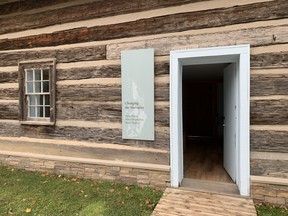
Canadian museums are undergoing significant transformations as they adapt their narratives to reflect contemporary values. This trend, influenced by the Trudeau administration, has led to a re-evaluation of historical interpretation across the country. A recent visit to the Village at Black Creek, a living history museum in northern Toronto, highlights the complexities and controversies of this evolving landscape.
Once known as Pioneer Village, the museum dropped the term “pioneer” last year, citing its potential to hinder reconciliation efforts. The Toronto and Region Conservation Authority, the governing body of the village, has embarked on a multi-year project aimed at “decolonization.” This initiative seeks to reshape perceptions of Canadian history by incorporating modern ideals into historical narratives.
Upon entering the village, visitors notice a striking installation in Sherwood Cabin, which has been transformed into a space focused on reconciliation. The cabin’s bright pastel blue interior starkly contrasts with the traditional aesthetics of the surrounding buildings. Inside, a sign indicates that the exhibit reflects the lifestyle Indigenous peoples were encouraged to adopt in the 1800s. While the intention behind this design is clear, many argue that it feels more like a modern imposition than an authentic representation of the past.
An interactive exhibit invites guests to reflect on concepts such as “truth” and “reconciliation.” Tags featuring phrases like “A land acknowledgement is making the invisible visible again” are hung on tree branches, allowing visitors to contribute their thoughts. While engaging, these activities often appear disconnected from the historical realities of the Indigenous communities in the region.
The museum also showcases contemporary Inuit sculptures that seem out of place among the historical buildings. These colorful artworks are intended to illustrate the interconnectedness of all living beings, yet their modern design contrasts sharply with the Victorian-era environment. This raises questions about the appropriateness of highlighting the art of an Indigenous group from a distant region rather than focusing on local First Nations.
In addition to these installations, the village features wire art by Rhonda Lucy, an artist of 2-Spirit Mohawk and Melungeon descent. While these pieces blend into the landscape more seamlessly, they still carry an air of modernity that many visitors find jarring. On the day of my visit, traditional Indigenous weavings created by Métis artist Tracey-Mae Chambers were also displayed, which better aligned with the historical context of the museum, even as they pushed a modern agenda.
The village aims to include diverse narratives, but critics argue its focus is limited. Although plans exist to incorporate aspects of the Jewish experience in Toronto, the current emphasis is primarily on Black and LGBTQ+ histories. Several buildings display stories of Black individuals from the 1800s, while the Town Hall includes a specific section on queer history, featuring figures like Oscar Wilde.
Guided tours highlight the experiences of queer individuals in the 19th century, often attempting to link past identities with contemporary understandings of gender and sexuality. While it is essential to acknowledge the existence of diverse identities throughout history, the museum’s approach raises concerns about applying modern frameworks to historical figures who lived in a vastly different societal context.
The persistence of modern signage throughout the village underscores a broader trend toward sensitivity in public spaces. Bright blue warning signs about potential hazards and environmental factors reflect a desire to accommodate all visitors, but they can feel excessive in a historical setting. This approach may contribute to a dissonance between the intended experience of a historical village and the realities of modern expectations.
Critics argue that the museum’s attempts at “changing the narrative” often come across as tokenistic. The effort to include Indigenous perspectives and other minority narratives, while well-intentioned, may lack depth and authenticity. A more comprehensive understanding of Indigenous life in the 1800s, along with a balanced representation of immigrant histories, could provide a richer context for visitors.
As Canadian museums navigate the complexities of history and contemporary values, the challenge remains to foster genuine understanding without oversimplifying or misrepresenting the past. The Village at Black Creek serves as a microcosm of this broader cultural shift, raising important questions about how we remember and interpret our shared history. Such discussions are vital for moving towards genuine reconciliation and understanding in a diverse society.
The National Post continues to explore the implications of these changes across Canada’s cultural institutions. As the conversation unfolds, it is crucial to engage with historical narratives in a way that respects the complexities of the past while addressing the realities of the present.

iShares Core Dividend Growth ETF Faces Challenges; Alternatives Suggested

Discover 7 Scenic Hikes Near Calgary to Explore This Spring

Scientists Uncover Life’s Building Blocks in Ryugu Asteroid Samples

Windsor-Essex Unveils New Action Plan to Combat Substance Use

Boost Your Business Visibility with These Local SEO Strategies

East Algoma OPP Urges Public to Limit Travel Amid Hazardous Conditions

Universities Must Rethink Failure to Support Student Growth

Canada Invests $6.4 Million to Boost Green Shipping Corridors

Stony Plain Secures 14th Consecutive Award for Financial Reporting Excellence

Rhythm Pharmaceuticals Reports Strong Q4 Growth Ahead of FDA Decision

Brandon University’s Failed $5 Million Project Sparks Oversight Review

Microsoft Confirms U.S. Law Overrules Canadian Data Sovereignty

Winnipeg Celebrates Culinary Creativity During Le Burger Week 2025

Discover Aritzia’s Latest Fashion Trends: A Comprehensive Review

New SĆIȺNEW̱ SṮEȽIṮḴEȽ Elementary Opens in Langford for 2025/2026 Year

EngineAI Unveils T800 Humanoid Robot, Setting New Industry Standards

Montreal’s Groupe Marcelle Leads Canadian Cosmetic Industry Growth

Tech Innovator Amandipp Singh Transforms Hiring for Disabled

Dragon Ball: Sparking! Zero Launching on Switch and Switch 2 This November

Digg Relaunches as Founders Kevin Rose and Alexis Ohanian Join Forces
-
 Education7 months ago
Brandon University’s Failed $5 Million Project Sparks Oversight Review
-
 Science8 months ago
Microsoft Confirms U.S. Law Overrules Canadian Data Sovereignty
-
 Lifestyle7 months ago
Winnipeg Celebrates Culinary Creativity During Le Burger Week 2025
-
 Lifestyle4 months ago
Discover Aritzia’s Latest Fashion Trends: A Comprehensive Review
-
 Education7 months ago
New SĆIȺNEW̱ SṮEȽIṮḴEȽ Elementary Opens in Langford for 2025/2026 Year
-
 Business4 months ago
EngineAI Unveils T800 Humanoid Robot, Setting New Industry Standards
-
 Health8 months ago
Montreal’s Groupe Marcelle Leads Canadian Cosmetic Industry Growth
-
 Science8 months ago
Tech Innovator Amandipp Singh Transforms Hiring for Disabled
-
 Technology8 months ago
Dragon Ball: Sparking! Zero Launching on Switch and Switch 2 This November
-
 Technology3 months ago
Digg Relaunches as Founders Kevin Rose and Alexis Ohanian Join Forces
-

 Lifestyle4 weeks ago
Canmore’s Le Fournil Bakery to Close After 14 Successful Years
-
 Top Stories4 months ago
Canadiens Eye Elias Pettersson: What It Would Cost to Acquire Him
-

 Health7 months ago
Eganville Leader to Close in 2026 After 123 Years of Reporting
-

 Education8 months ago
Red River College Launches New Programs to Address Industry Needs
-

 Top Stories4 months ago
Nicol Brothers Shine as Wheat Kings Dominate U18 AAA Hockey
-

 Business8 months ago
BNA Brewing to Open New Bowling Alley in Downtown Penticton
-

 Business7 months ago
Rocket Lab Reports Strong Q2 2025 Revenue Growth and Future Plans
-

 Education6 months ago
Alberta Petition Aims to Redirect Funds from Private to Public Schools
-

 Lifestyle5 months ago
Edmonton’s Beloved Evolution Wonderlounge Closes, New Era Begins
-

 Education8 months ago
Alberta Teachers’ Strike: Potential Impacts on Students and Families
-

 Technology6 months ago
Discord Faces Serious Security Breach Affecting Millions
-

 Technology8 months ago
Google Pixel 10 Pro Fold Specs Unveiled Ahead of Launch
-

 Business7 months ago
Iconic Golden Lion Restaurant in South Surrey to Close After 50 Years
-

 Science8 months ago
China’s Wukong Spacesuit Sets New Standard for AI in Space