
Technology
Sony Unveils Alpha 7 V with Integrated AI Processing Engine

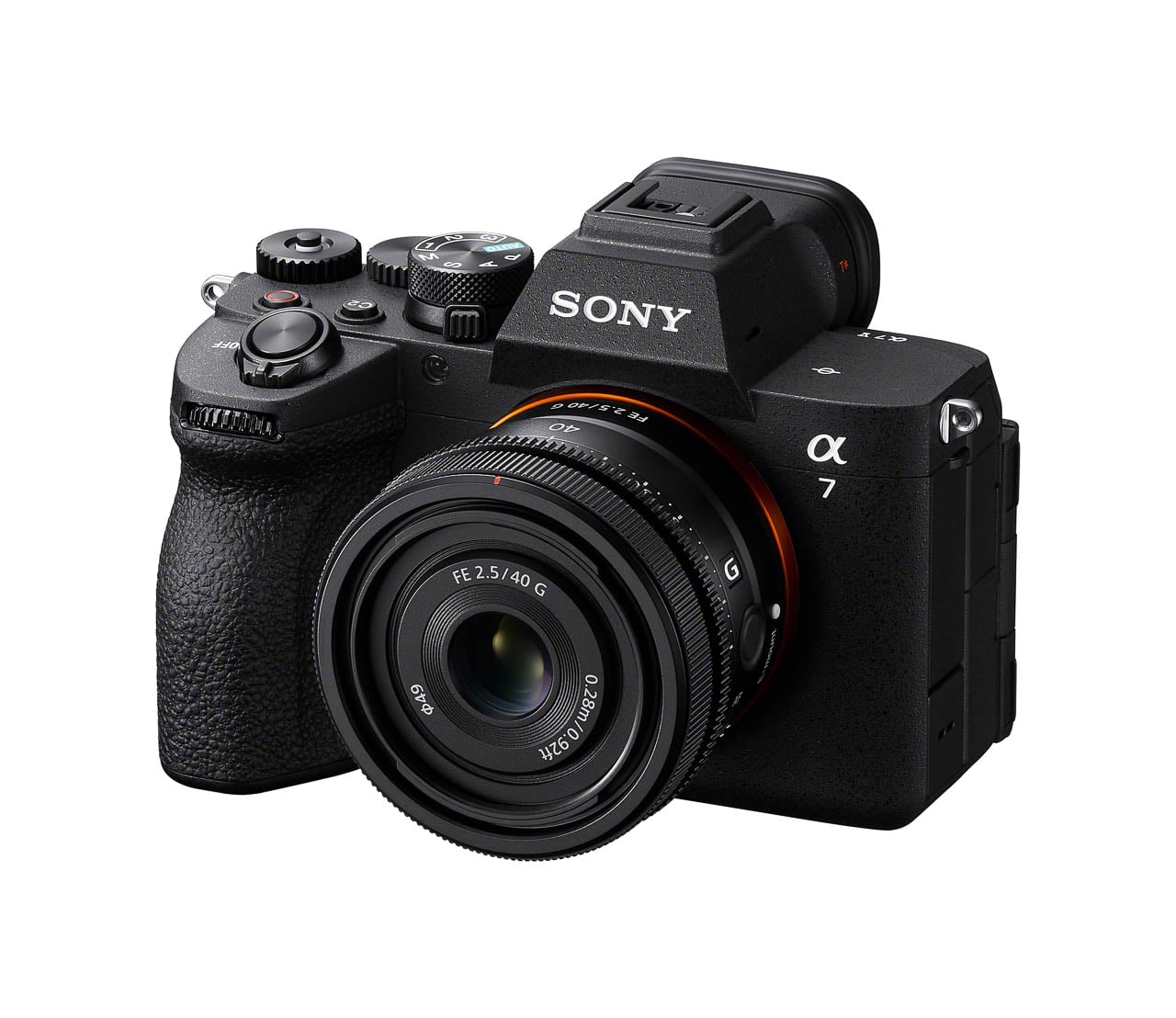
Sony has officially launched the highly anticipated Alpha 7 V, a significant advancement in its full-frame mirrorless camera line. This fifth-generation model integrates an AI processing unit directly into the BIONZ XR2 imaging engine, enhancing performance across various imaging functions. By consolidating the processing capabilities, the Alpha 7 V improves autofocus, subject recognition, color science, continuous shooting, and video performance, setting a new standard for full-frame photography.
The Alpha 7 V (ILCE-7M5) features a new partially stacked Exmor RS CMOS sensor with approximately 33 megapixels. This configuration achieves a balance between high resolution and file manageability. Notably, the readout speed is now 4.5 times faster than its predecessor, the Alpha 7 IV. This speed enhancement significantly reduces rolling shutter distortion during rapid movements and allows blackout-free continuous shooting at speeds of up to 30 frames per second (fps) while maintaining full autofocus and auto-exposure tracking. Photographers can also capture 14-bit RAW images at this same speed without sacrificing performance.
Innovative Features Enhance Photography Experience
One standout feature is the Pre-Capture function, which records up to one second of footage before the shutter is pressed. This function stores frames in a rolling buffer, allowing photographers to capture unpredictable subjects, such as pets or sports action, without missing the perfect moment. In mechanical shutter mode, the camera achieves 16 stops of dynamic range, ensuring rich tonal detail across highlights and shadows in scenes with extreme contrast.
The Alpha 7 V also introduces an advanced Real-time Recognition AF system that can identify various subjects, including humans, animals, and vehicles. Internal testing indicates a 30% improvement in eye recognition performance compared to the previous model. With 759 phase-detection points covering 94% of the frame, the camera’s focus capabilities extend down to EV -4.0 in low-light situations, with autofocus and auto-exposure calculations occurring at a rapid rate of 60 times per second.
Significant improvements in color science come from a new AI-driven Auto White Balance system, which uses deep learning to automatically identify and adjust the color tones based on the light source. This feature aims to enhance natural color reproduction, reducing the need for extensive post-production work.
Expanded Video Capabilities for Creators
For creators who focus on video, the Alpha 7 V offers substantial upgrades. It supports 7K oversampled 4K recording at 60p in full-frame mode and 4K 120p recording in APS-C/Super 35mm mode. With full pixel readout and no pixel binning, the camera delivers highly detailed footage. The Dynamic Active Mode provides smooth stabilization for handheld shooting, while the Auto Framing function keeps subjects optimally composed during recording. Enhanced in-camera noise reduction and improved microphone functionality further address audio quality.
Operational enhancements include Wi-Fi 6E compatibility, dual USB Type-C ports, vertical format support, and a 4-axis multi-angle monitor. The improved grip and battery life, estimated at approximately 630 shots using the viewfinder, contribute to a more user-friendly experience. The camera’s thermal management system supports extended 4K recording for approximately 90 minutes at 25°C and 60 minutes at 40°C.
Accompanying the Alpha 7 V is the new FE 28-70mm f/3.5-5.6 OSS II lens. This compact standard zoom lens features advanced autofocus capabilities, including up to 120 fps AF/AE tracking and seamless body-lens coordinated image stabilization. The lens addresses previous criticisms of sharpness and autofocus speed while maintaining a lightweight design suitable for full-frame mirrorless systems.
In alignment with its Road to Zero environmental initiative, Sony has committed to manufacturing its imaging products using 100% renewable energy. The packaging incorporates Sony’s Original Blended Material, which includes bamboo, sugarcane fibers, and post-consumer recycled paper, reducing plastic usage.
The Alpha 7 V body will be available by the end of December 2025 for approximately $2,899 USD ($3,699 CAD). The kit, which includes the SEL28702 lens, is set to launch in February 2026 at around $3,099 USD ($3,899 CAD). The lens will be sold separately for $449 USD ($599 CAD), also available in February 2026. All products will be distributed through Sony and authorized dealers across North America.

Bodybuilder Larissa Shines as STAR in Fitness Spotlight

G7 Ministers Convene in Montreal to Address AI and Quantum Technologies

Eli Lilly, Pfizer, and Johnson & Johnson Join China’s Drug Insurance List

Newfoundland and Labrador Weighs Future of $3.2M U.S. Alcohol Stockpile

Aries Faces Tough Questions on December 8: Honesty Required

Shell Resumes Gasoline Sales in Indonesia After Supply Disruptions

Bodybuilder Larissa Shines in SUNshine Feature from 2018

Experience the Spectacular Geminids Meteor Shower This Week

Eli Lilly, Pfizer, and Johnson & Johnson Join China’s Drug Insurance List

Google Play Books Marks 15 Years of E-Book and Audiobook Sales

Brandon University’s Failed $5 Million Project Sparks Oversight Review

Microsoft Confirms U.S. Law Overrules Canadian Data Sovereignty

Winnipeg Celebrates Culinary Creativity During Le Burger Week 2025

Montreal’s Groupe Marcelle Leads Canadian Cosmetic Industry Growth

Tech Innovator Amandipp Singh Transforms Hiring for Disabled

Dragon Ball: Sparking! Zero Launching on Switch and Switch 2 This November

Red River College Launches New Programs to Address Industry Needs

Google Pixel 10 Pro Fold Specs Unveiled Ahead of Launch

Rocket Lab Reports Strong Q2 2025 Revenue Growth and Future Plans

Discord Faces Serious Security Breach Affecting Millions
-
 Education3 months ago
Brandon University’s Failed $5 Million Project Sparks Oversight Review
-
 Science4 months ago
Microsoft Confirms U.S. Law Overrules Canadian Data Sovereignty
-
 Lifestyle3 months ago
Winnipeg Celebrates Culinary Creativity During Le Burger Week 2025
-
 Health4 months ago
Montreal’s Groupe Marcelle Leads Canadian Cosmetic Industry Growth
-
 Science4 months ago
Tech Innovator Amandipp Singh Transforms Hiring for Disabled
-
 Technology4 months ago
Dragon Ball: Sparking! Zero Launching on Switch and Switch 2 This November
-
 Education4 months ago
Red River College Launches New Programs to Address Industry Needs
-
 Technology4 months ago
Google Pixel 10 Pro Fold Specs Unveiled Ahead of Launch
-
 Business3 months ago
Rocket Lab Reports Strong Q2 2025 Revenue Growth and Future Plans
-
 Technology2 months ago
Discord Faces Serious Security Breach Affecting Millions
-

 Education4 months ago
Alberta Teachers’ Strike: Potential Impacts on Students and Families
-

 Education3 months ago
New SĆIȺNEW̱ SṮEȽIṮḴEȽ Elementary Opens in Langford for 2025/2026 Year
-

 Science4 months ago
China’s Wukong Spacesuit Sets New Standard for AI in Space
-

 Technology4 months ago
World of Warcraft Players Buzz Over 19-Quest Bee Challenge
-

 Business4 months ago
New Estimates Reveal ChatGPT-5 Energy Use Could Soar
-

 Business4 months ago
BNA Brewing to Open New Bowling Alley in Downtown Penticton
-

 Business4 months ago
Dawson City Residents Rally Around Buy Canadian Movement
-

 Technology2 months ago
Huawei MatePad 12X Redefines Tablet Experience for Professionals
-

 Technology4 months ago
Future Entertainment Launches DDoD with Gameplay Trailer Showcase
-

 Technology4 months ago
Global Launch of Ragnarok M: Classic Set for September 3, 2025
-
 Technology4 months ago
Innovative 140W GaN Travel Adapter Combines Power and Convenience
-

 Top Stories3 months ago
Blue Jays Shift José Berríos to Bullpen Ahead of Playoffs
-

 Science4 months ago
Xi Labs Innovates with New AI Operating System Set for 2025 Launch
-

 Technology4 months ago
New IDR01 Smart Ring Offers Advanced Sports Tracking for $169