
Technology
Illinois Lawmakers Aim to Navigate AI Regulations After BIPA Challenges

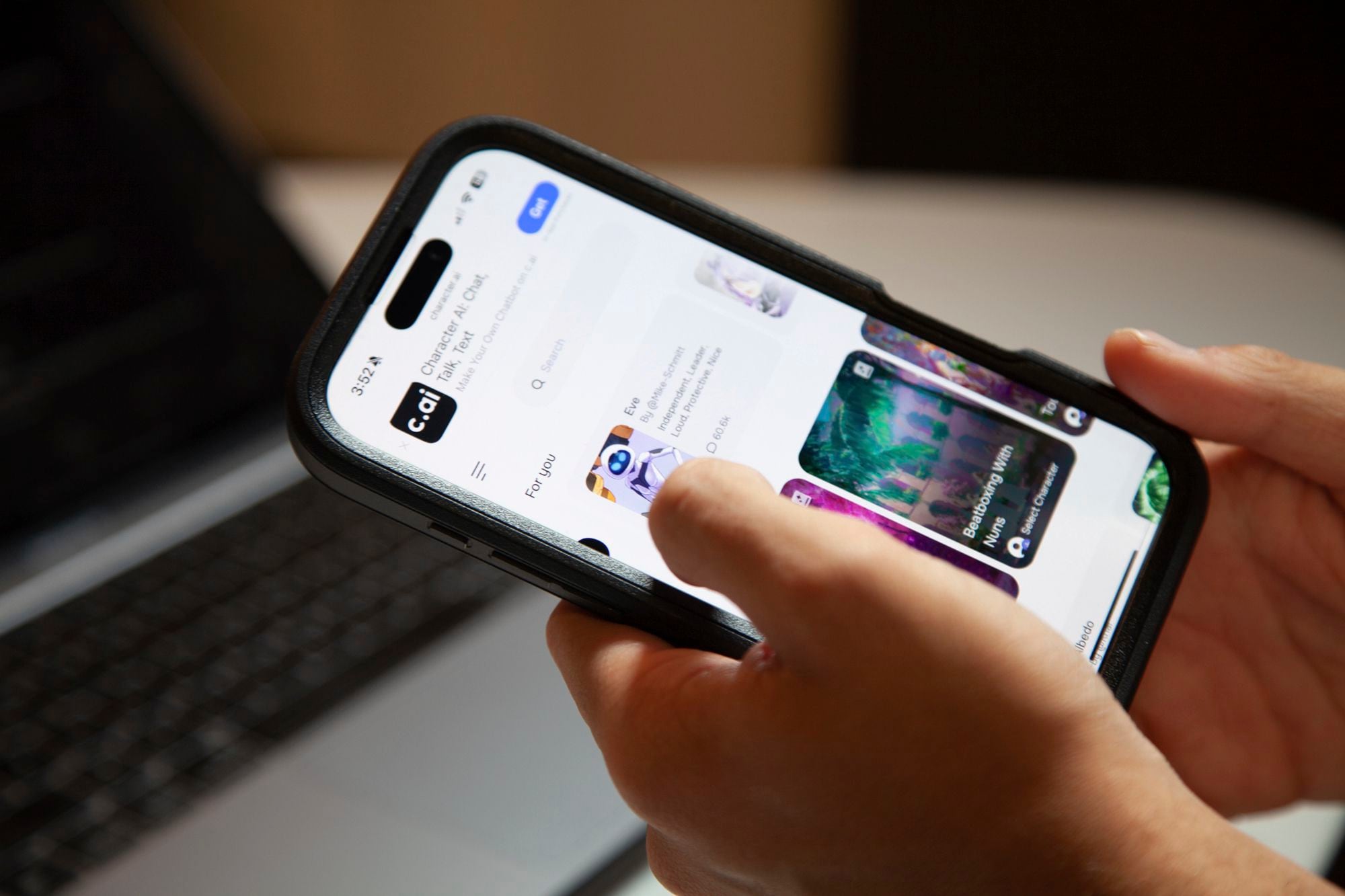
Lawmakers in Illinois are poised to address the regulation of artificial intelligence (AI) following the complications experienced with the Biometric Information Privacy Act (BIPA). The General Assembly’s efforts come amid ongoing tensions between state legislatures and the federal government regarding technology industry oversight.
The BIPA, enacted in 2008, aimed to protect individuals’ biometric data but quickly became embroiled in legal disputes. A surge of lawsuits challenged various aspects of the law, forcing courts, including the Illinois Supreme Court, to clarify ambiguities surrounding the statute. Key issues included distinguishing between negligence and more serious misconduct, as well as the legal definition of “a health care setting.”
Many of the initial concerns stemmed from employers requiring employees to use biometric data, such as fingerprints, without obtaining informed written consent. This led to confusion about legal compliance, with some judges ruling that each instance of data collection could result in significant fines. In response, lawmakers introduced Senate Bill 2979 in the spring of 2024, which clarified that improper data collection is the primary offense subject to penalties.
As Scott T. Holland noted in his analysis, “Had the original drafters written the law better, we might’ve been spared a decade of trial lawyers, judges and business defendants haggling over whether consequences were indeed unintended.” This reflection underscores the necessity for lawmakers to consider the implications of their regulations carefully.
The rapid advancement of AI technology presents a new set of challenges. Rep. Bob Morgan, a Democratic representative from Deerfield, emphasized the importance of regulating AI across various sectors, including health care and public safety. “Illinois won’t back down,” he stated in an email to Capitol News Illinois. “We have both a constitutional right and a moral obligation to regulate artificial intelligence.”
While there is broad agreement about the need for regulation, caution is essential. The lessons learned from BIPA highlight the importance of drafting comprehensive legislation that clearly articulates lawmakers’ intentions. As AI technologies evolve, the General Assembly must ensure that new laws do not lead to the same confusion and legal disputes that arose from the initial BIPA implementation.
The current environment calls for a balanced approach, where legislators carefully consider the impact of their regulations. By doing so, they can help avoid repeating the legal entanglements faced with BIPA, ultimately ensuring that AI regulations serve their intended purpose of protecting citizens without creating unnecessary legal complexities.
In conclusion, as Illinois lawmakers embark on crafting AI regulations, the experience with BIPA serves as a crucial reminder of the need for clarity and precision in legislative language. The future of AI regulation in Illinois hinges on their ability to establish a framework that is both effective and easily understood, minimizing the potential for litigation and maximizing protection for the public.

FTI Consulting Reports Record Q3 2025 Results Amid Mixed Segment Performance

Year-End Donation Matching Campaign Launched for Darling Home

Life Beyond Earth: Dame Maggie Aderin-Pocock Explores Space Mysteries

Long-term Ibuprofen Use Raises Risk of Stomach Damage in Seniors

“Revamped Puppet Takes Center Stage in A Wonderheads Christmas Carol”

OpenAI and Anthropic Pursue Office Expansion in Dublin

Stroke Survivor Resumes Christmas Tradition After Six Years

Dame Maggie Aderin-Pocock Explores Life Beyond Earth in New Lectures

Delays in Gynecological Surgeries Endanger Women’s Health Across Canada

Prolonged Power Outage Raises Safety Concerns in Englee

Brandon University’s Failed $5 Million Project Sparks Oversight Review

Microsoft Confirms U.S. Law Overrules Canadian Data Sovereignty

Winnipeg Celebrates Culinary Creativity During Le Burger Week 2025

Montreal’s Groupe Marcelle Leads Canadian Cosmetic Industry Growth

Tech Innovator Amandipp Singh Transforms Hiring for Disabled

Dragon Ball: Sparking! Zero Launching on Switch and Switch 2 This November

Red River College Launches New Programs to Address Industry Needs

Rocket Lab Reports Strong Q2 2025 Revenue Growth and Future Plans

Google Pixel 10 Pro Fold Specs Unveiled Ahead of Launch

Discord Faces Serious Security Breach Affecting Millions
-
 Education3 months ago
Brandon University’s Failed $5 Million Project Sparks Oversight Review
-
 Science4 months ago
Microsoft Confirms U.S. Law Overrules Canadian Data Sovereignty
-
 Lifestyle4 months ago
Winnipeg Celebrates Culinary Creativity During Le Burger Week 2025
-
 Health4 months ago
Montreal’s Groupe Marcelle Leads Canadian Cosmetic Industry Growth
-
 Science4 months ago
Tech Innovator Amandipp Singh Transforms Hiring for Disabled
-
 Technology4 months ago
Dragon Ball: Sparking! Zero Launching on Switch and Switch 2 This November
-
 Education4 months ago
Red River College Launches New Programs to Address Industry Needs
-
 Business3 months ago
Rocket Lab Reports Strong Q2 2025 Revenue Growth and Future Plans
-
 Technology4 months ago
Google Pixel 10 Pro Fold Specs Unveiled Ahead of Launch
-
 Technology2 months ago
Discord Faces Serious Security Breach Affecting Millions
-

 Education4 months ago
Alberta Teachers’ Strike: Potential Impacts on Students and Families
-

 Education4 months ago
New SĆIȺNEW̱ SṮEȽIṮḴEȽ Elementary Opens in Langford for 2025/2026 Year
-

 Science4 months ago
China’s Wukong Spacesuit Sets New Standard for AI in Space
-

 Business4 months ago
BNA Brewing to Open New Bowling Alley in Downtown Penticton
-

 Business4 months ago
New Estimates Reveal ChatGPT-5 Energy Use Could Soar
-

 Business4 months ago
Dawson City Residents Rally Around Buy Canadian Movement
-

 Technology4 months ago
World of Warcraft Players Buzz Over 19-Quest Bee Challenge
-

 Technology4 months ago
Future Entertainment Launches DDoD with Gameplay Trailer Showcase
-

 Top Stories3 months ago
Blue Jays Shift José Berríos to Bullpen Ahead of Playoffs
-

 Technology2 months ago
Huawei MatePad 12X Redefines Tablet Experience for Professionals
-

 Technology4 months ago
Global Launch of Ragnarok M: Classic Set for September 3, 2025
-

 Technology4 months ago
Innovative 140W GaN Travel Adapter Combines Power and Convenience
-

 Science4 months ago
Xi Labs Innovates with New AI Operating System Set for 2025 Launch
-
 Lifestyle2 months ago
Canadian Author Secures Funding to Write Book Without Financial Strain