
Science
Global Ban on Shark and Ray Trade Marks Historic Conservation Step

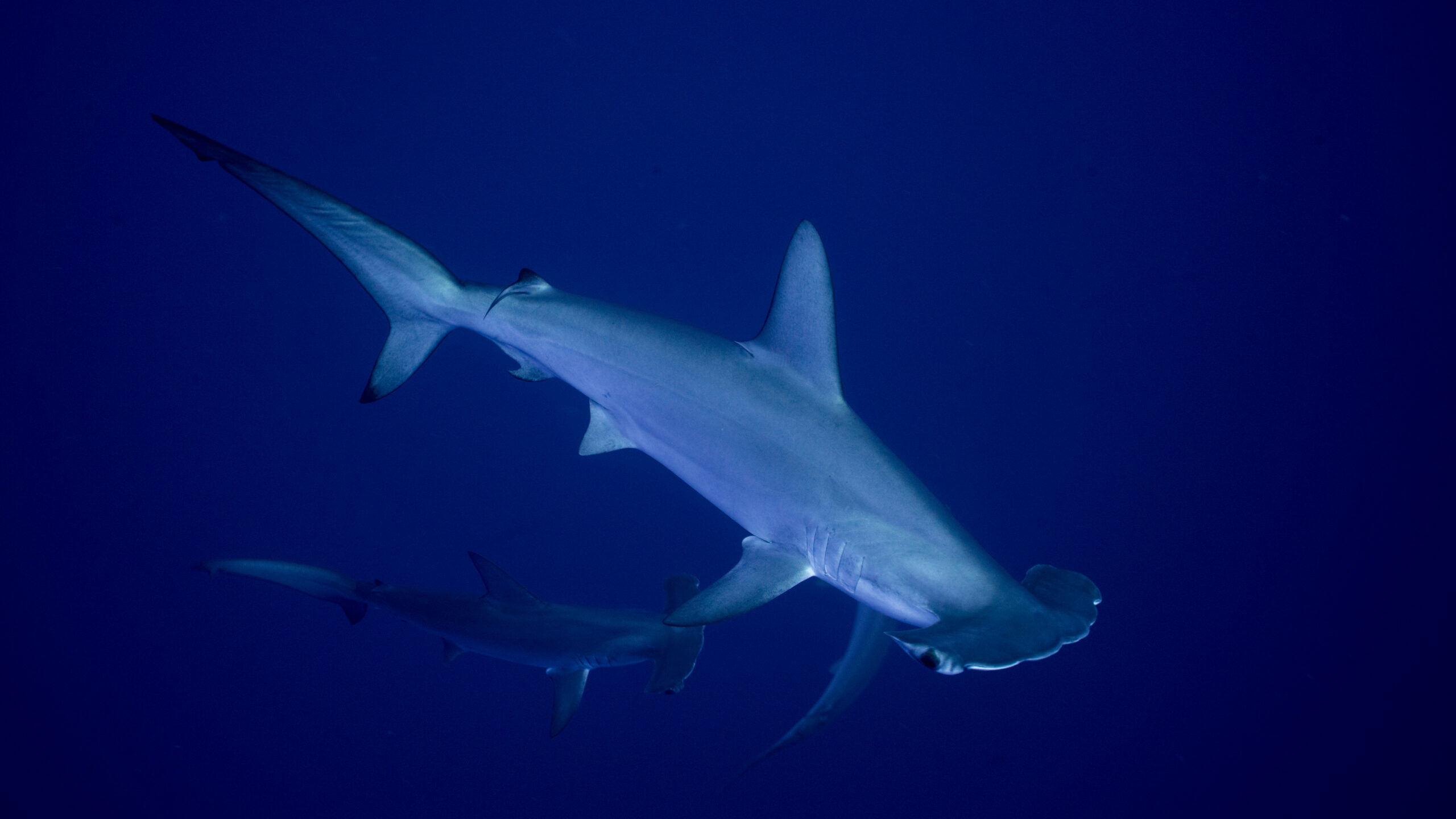
Governments across the globe have taken a significant step to protect vulnerable marine species by agreeing to comprehensive trade bans and restrictions on sharks and rays. This landmark decision, finalized during the 20th Conference of the Parties (COP20) in Samarkand, Uzbekistan, encompasses over 70 species, including the oceanic whitetip shark, whale shark, and manta rays.
The new regulations stem from the Convention on International Trade in Endangered Species of Wild Fauna and Flora (CITES), an essential treaty that mandates countries to manage or prohibit trade in species facing extinction. With more than a third of shark and ray species now threatened, these measures aim to curb the alarming decline of these apex predators, which are crucial for maintaining healthy marine ecosystems.
According to Luke Warwick, director of shark and ray conservation at the Wildlife Conservation Society (WCS), the global market for these species is valued at nearly $1 billion annually. The recent decisions reflect a major commitment to regulate the demand for shark meat, fins, and other products. Warwick remarked, “These new protections are a powerful step toward ensuring these species have a real chance at recovery.”
Declining Populations Highlight Urgency for Action
Sharks and rays have been subjected to unsustainable fishing practices for decades, with pelagic shark populations in open oceans declining by more than 70 percent in the last 50 years. The crisis is exacerbated by the fact that species such as reef sharks have nearly vanished from one in five coral reefs globally. “We’re in the middle of an extinction crisis for the species and it’s kind of a silent crisis,” Warwick stated, emphasizing that overfishing is the primary driver of these declines.
Unlike commercially regulated species like tuna, sharks have historically lacked similar controls, often treated as fast-reproducing fish. Yet, many shark species mature slowly and produce significantly fewer offspring. For instance, manta rays may give birth to only seven live pups in their lifetime. The unregulated catch of these species has led to catastrophic declines.
Manta rays are primarily hunted for their gill plates, used in traditional Asian medicines despite no scientific backing. Their meat is sometimes converted into animal feed or consumed locally, while shark fins are prized in luxury dishes like shark fin soup. The trade extends to deep-water species, where livers are harvested for oil used in skincare products and pharmaceuticals, including COVID-19 vaccines.
New Protections and Their Implications
The recent CITES decisions impose stricter regulations on species such as gulper sharks and smoothhound sharks, which are now listed under Appendix II. This listing mandates that all CITES parties regulate international trade and ensure that it is traceable and biologically sustainable. Critically endangered species, including oceanic whitetips and manta rays, have been uplisted to Appendix I, prohibiting all international trade.
Gabriel Vianna, a shark researcher at the Charles Darwin Foundation, highlighted the cosmetic industry’s role in driving shark trade, stating, “We should be using synthetic options and not exploiting these species.” The European Union, a major supplier of shark meat to East Asian markets, has also backed these new protections, marking a historic shift in conservation priorities.
Despite the enthusiasm surrounding these new regulations, advocates are cautious. Vianna expressed mixed feelings, stating, “We are very happy but we are very sad at the same time.” The implementation of these protections will be critical for the survival of many species. Research by Diego Cardeñosa and Warwick revealed alarming discrepancies in reported shark fin trades, indicating that over 90 percent of the trade is illegal.
Cardeñosa noted that while the new listings will not eliminate illegal trade overnight, they will enhance countries’ abilities to monitor and prosecute illegal shipments. “Parties must invest in identification tools, capacity building, and routine monitoring if these protections are to translate into real reductions in illegal trade,” he added.
As global awareness of the plight of sharks and rays increases, the recent CITES decisions represent a crucial turning point in marine conservation efforts. The commitment to protect these species reflects a growing recognition of their importance to ocean health and the urgent need for sustainable practices.

Trudeau Government Delays Foreign Lobbyists’ Registry Amid Controversy

Family Expert Unveils Simple Strategy to Save for Education

Business Development Companies Face Mixed Outlook for 2026

Army Reservists Deliver Holiday Cheer to Winnipeg Families

Global Agreement Enforces Protections for Sharks and Rays

Sudbury Reports Rise in COVID-19 and Flu Outbreaks in Care Homes

Trump Vows Retaliation After Deadly Attack on U.S. Personnel in Syria

Family Expert Reveals Simple Strategy to Fund Children’s Education

Single-Family Home in Sugar Grove Sells for $480,000

Family Remembers Gabriel Tremblay on Sixth Anniversary of Passing

Brandon University’s Failed $5 Million Project Sparks Oversight Review

Microsoft Confirms U.S. Law Overrules Canadian Data Sovereignty

Winnipeg Celebrates Culinary Creativity During Le Burger Week 2025

Montreal’s Groupe Marcelle Leads Canadian Cosmetic Industry Growth

Tech Innovator Amandipp Singh Transforms Hiring for Disabled

Dragon Ball: Sparking! Zero Launching on Switch and Switch 2 This November

Red River College Launches New Programs to Address Industry Needs

Rocket Lab Reports Strong Q2 2025 Revenue Growth and Future Plans

Google Pixel 10 Pro Fold Specs Unveiled Ahead of Launch

Discord Faces Serious Security Breach Affecting Millions
-
 Education3 months ago
Brandon University’s Failed $5 Million Project Sparks Oversight Review
-
 Science4 months ago
Microsoft Confirms U.S. Law Overrules Canadian Data Sovereignty
-
 Lifestyle4 months ago
Winnipeg Celebrates Culinary Creativity During Le Burger Week 2025
-
 Health4 months ago
Montreal’s Groupe Marcelle Leads Canadian Cosmetic Industry Growth
-
 Science4 months ago
Tech Innovator Amandipp Singh Transforms Hiring for Disabled
-
 Technology4 months ago
Dragon Ball: Sparking! Zero Launching on Switch and Switch 2 This November
-
 Education4 months ago
Red River College Launches New Programs to Address Industry Needs
-
 Business3 months ago
Rocket Lab Reports Strong Q2 2025 Revenue Growth and Future Plans
-
 Technology4 months ago
Google Pixel 10 Pro Fold Specs Unveiled Ahead of Launch
-
 Technology2 months ago
Discord Faces Serious Security Breach Affecting Millions
-

 Education4 months ago
Alberta Teachers’ Strike: Potential Impacts on Students and Families
-

 Education4 months ago
New SĆIȺNEW̱ SṮEȽIṮḴEȽ Elementary Opens in Langford for 2025/2026 Year
-

 Science4 months ago
China’s Wukong Spacesuit Sets New Standard for AI in Space
-

 Business4 months ago
BNA Brewing to Open New Bowling Alley in Downtown Penticton
-

 Business4 months ago
New Estimates Reveal ChatGPT-5 Energy Use Could Soar
-

 Business4 months ago
Dawson City Residents Rally Around Buy Canadian Movement
-

 Technology4 months ago
World of Warcraft Players Buzz Over 19-Quest Bee Challenge
-

 Technology2 months ago
Huawei MatePad 12X Redefines Tablet Experience for Professionals
-

 Top Stories3 months ago
Blue Jays Shift José Berríos to Bullpen Ahead of Playoffs
-

 Technology4 months ago
Future Entertainment Launches DDoD with Gameplay Trailer Showcase
-

 Technology4 months ago
Global Launch of Ragnarok M: Classic Set for September 3, 2025
-

 Technology4 months ago
Innovative 140W GaN Travel Adapter Combines Power and Convenience
-

 Science4 months ago
Xi Labs Innovates with New AI Operating System Set for 2025 Launch
-

 Technology4 months ago
New IDR01 Smart Ring Offers Advanced Sports Tracking for $169