
Science
BC Cancer Trial Cuts Radiation Treatments by Over 90% for Prostate Patients

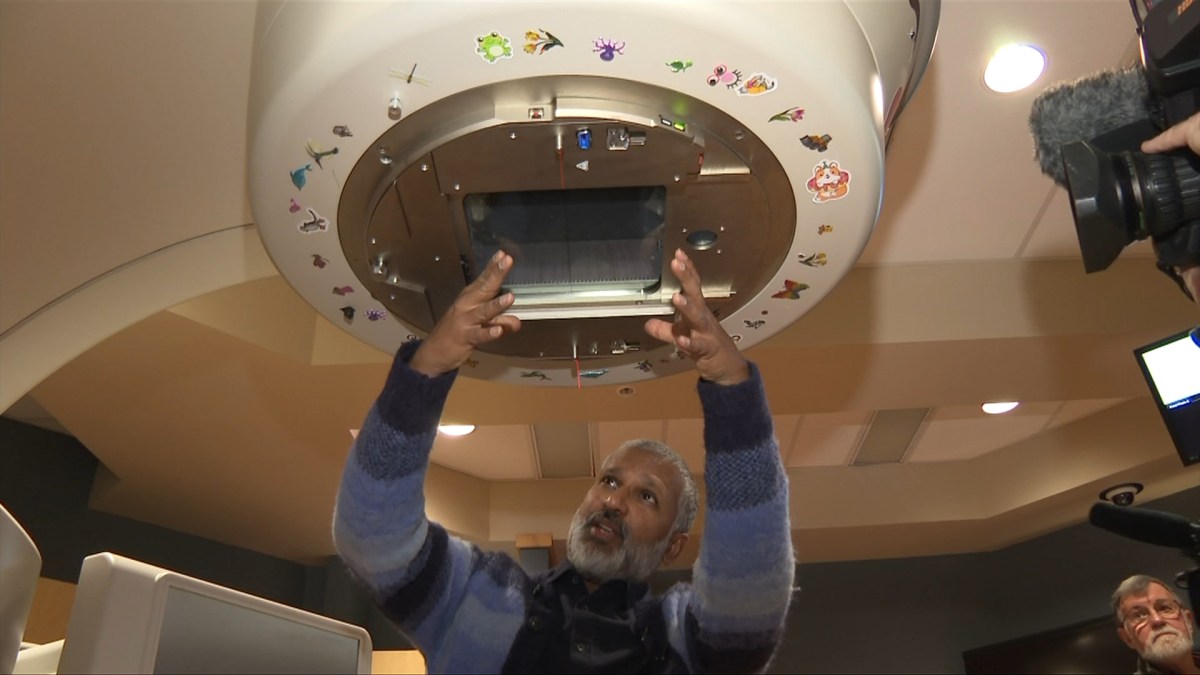
A clinical trial at BC Cancer Victoria is demonstrating significant advancements in prostate cancer treatment by utilizing artificial intelligence (AI) to reduce the number of radiation sessions required by more than 90%. This promising approach aims to alleviate the burden on patients while enhancing the effectiveness of their treatment.
Mike Miles, diagnosed with prostate cancer in January 2025, initially feared he would face a lengthy series of appointments for radiation therapy. Classified as having an intermediate risk of prostate cancer due to localized cells, standard treatment protocols would typically require patients like Miles to undergo between 20 to 40 sessions of External Beam Radiation Therapy (EBRT).
Dr. Abe Alexander, a radiation oncologist at BC Cancer Victoria, explained that traditional EBRT often lacks precision, leading to a higher number of necessary treatments. The ongoing clinical trial, which commenced in July 2026, combines Stereotactic Radiotherapy with AI technology. This innovative method allows for more accurate targeting of radiation beams, significantly reducing the treatment sessions required.
“What Stereotactic Radiotherapy does is use advanced technology to aim the beams more accurately. As a result, patients can now typically complete their treatment in just five sessions instead of the standard 20 to 40,” Dr. Alexander noted. The integration of AI plays a critical role by providing real-time measurements during treatment, minimizing radiation exposure to surrounding organs and tissues.
Miles has experienced remarkable benefits, having undergone only two treatment sessions. His prostate-specific antigen (PSA) levels, a marker for prostate cancer, dropped from 13 ng/ml to 1.3 ng/ml following this reduced treatment regimen. According to the Canadian Cancer Society, a normal PSA level is considered to be around 4 ng/ml, and higher levels indicate an increased risk of prostate cancer.
Dr. Alexander emphasized the importance of improving patients’ quality of life. Frequent hospital visits can be burdensome and detract from time spent on personal activities. “Reducing the number of in-person sessions means patients can reclaim their time and focus on living their lives,” he stated. The trial randomly assigns participants to receive either two or five treatment sessions, with the goal of establishing a treatment standard that minimizes appointments.
Currently, around 15 to 20 patients have enrolled in the trial, which is set to expand to residents on the Mainland during the summer. The objective is to recruit 100 patients and complete the trial within two years.
As the trial progresses, the medical community remains optimistic about the potential long-term benefits for prostate cancer patients. With advancements in technology and treatment protocols, there is hope for a future with less invasive and more effective cancer care.

Strategy Transforms into a Leveraged Bitcoin Vehicle, Faces $12.4B Loss

Oswego Panthers Triumph as Ethan Vahl Celebrates 1,000 Points

Fungi Transform Carrot Waste into Sustainable Protein Source

Victoria Counsellors Launch Initiative to Enhance Mental Health Access

Winnipeg’s Shivers & Shimmies Gala Showcases New Talent

Create Your Own Stained Glass Heart at FrogWerkz Workshops

Marcus Lewis Outlines Ambitious Agenda for 2026 Congressional Bid

DeKalb County Community Foundation Appoints Kyle White as Manager

Fungi Transform Carrot Waste into Sustainable Protein Source

Urgent Action Needed: B.C. Paramedics Vote on Potential Strike

Brandon University’s Failed $5 Million Project Sparks Oversight Review

Microsoft Confirms U.S. Law Overrules Canadian Data Sovereignty

Winnipeg Celebrates Culinary Creativity During Le Burger Week 2025

Montreal’s Groupe Marcelle Leads Canadian Cosmetic Industry Growth

New SĆIȺNEW̱ SṮEȽIṮḴEȽ Elementary Opens in Langford for 2025/2026 Year

Tech Innovator Amandipp Singh Transforms Hiring for Disabled

Dragon Ball: Sparking! Zero Launching on Switch and Switch 2 This November

EngineAI Unveils T800 Humanoid Robot, Setting New Industry Standards

Digg Relaunches as Founders Kevin Rose and Alexis Ohanian Join Forces

Canadiens Eye Elias Pettersson: What It Would Cost to Acquire Him
-
 Education5 months ago
Brandon University’s Failed $5 Million Project Sparks Oversight Review
-
 Science6 months ago
Microsoft Confirms U.S. Law Overrules Canadian Data Sovereignty
-
 Lifestyle5 months ago
Winnipeg Celebrates Culinary Creativity During Le Burger Week 2025
-
 Health6 months ago
Montreal’s Groupe Marcelle Leads Canadian Cosmetic Industry Growth
-
 Education5 months ago
New SĆIȺNEW̱ SṮEȽIṮḴEȽ Elementary Opens in Langford for 2025/2026 Year
-
 Science6 months ago
Tech Innovator Amandipp Singh Transforms Hiring for Disabled
-
 Technology6 months ago
Dragon Ball: Sparking! Zero Launching on Switch and Switch 2 This November
-
 Business2 months ago
EngineAI Unveils T800 Humanoid Robot, Setting New Industry Standards
-
 Technology3 weeks ago
Digg Relaunches as Founders Kevin Rose and Alexis Ohanian Join Forces
-
Top Stories2 months ago
Canadiens Eye Elias Pettersson: What It Would Cost to Acquire Him
-

 Education6 months ago
Red River College Launches New Programs to Address Industry Needs
-

 Business5 months ago
Rocket Lab Reports Strong Q2 2025 Revenue Growth and Future Plans
-

 Technology6 months ago
Google Pixel 10 Pro Fold Specs Unveiled Ahead of Launch
-

 Education6 months ago
Alberta Teachers’ Strike: Potential Impacts on Students and Families
-

 Technology4 months ago
Discord Faces Serious Security Breach Affecting Millions
-

 Business6 months ago
BNA Brewing to Open New Bowling Alley in Downtown Penticton
-

 Science6 months ago
China’s Wukong Spacesuit Sets New Standard for AI in Space
-

 Lifestyle4 months ago
Canadian Author Secures Funding to Write Book Without Financial Strain
-

 Business6 months ago
New Estimates Reveal ChatGPT-5 Energy Use Could Soar
-

 Business1 month ago
Nvidia and AMD CEOs Unveil AI Innovations at CES 2026
-

 Business4 months ago
Hydro-Québec Espionage Trial Exposes Internal Oversight Failures
-

 Top Stories4 months ago
Patrik Laine Struggles to Make Impact for Canadiens Early Season
-

 Business6 months ago
Dawson City Residents Rally Around Buy Canadian Movement
-

 Technology6 months ago
Future Entertainment Launches DDoD with Gameplay Trailer Showcase