
Lifestyle
Transform Your Space: How to Choose the Perfect Statement Piece

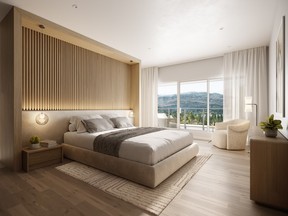
Creating an inviting and visually appealing space often hinges on the inclusion of a statement piece. This focal point not only establishes the room’s atmosphere but also encapsulates the tastes and identities of those who inhabit it. Interior designers emphasize the importance of selecting a standout element that resonates with personal style while harmonizing with the overall design.
Defining the Statement Piece
According to Tanya Ali, founder and creative director at Tali + Roche Designs, a statement piece can manifest in various forms, including furniture, artwork, or even the arrangement of items in a room. “It should introduce an unexpected or thoughtful element into the space,” she explains. Art remains a popular choice for many homeowners. Ali cites her admiration for local artist Lisa Ochowycz and highlights her preference for a monochromatic palette, using texture and color through artwork and decorative pillows to create interest.
For those on a budget, Ali suggests exploring works by local or emerging artists at events like Vancouver’s Eastside Culture Crawl. Renting art or sourcing items from thrift shops can also serve as economical alternatives. Ultimately, she insists that the statement piece should reflect the homeowner’s individual style rather than merely adhering to current trends.
Creating Cohesion with Design
Interior designer Stephanie Hilton, owner of Stephanie Hilton Design, underscores the necessity for statement pieces to complement rather than clash with existing decor. She points out that elements such as scale, color, and material are crucial in achieving a cohesive look. “If you have a transitional home, adding something that’s not aligned with the rest of the design wouldn’t make sense,” Hilton notes. A disjointed design can leave guests puzzled rather than impressed.
Scale is particularly vital in smaller spaces, such as condominiums. Hilton warns that while large items can overwhelm a room, pieces that are too small may appear insignificant. “You don’t want something that looks like an afterthought,” she advises. Proper scale considers both the room’s size and the existing furnishings.
Color also plays a significant role in making a statement. Hilton is currently working on a project featuring a vibrant yellow velvet couch and burnt orange ottomans, appealing to clients who embrace bold palettes. In contrast, she notes that a more neutral environment can benefit from statement furniture, like a mid-century sideboard or distinctive lighting fixtures.
Leveraging Natural Elements
For designers like Nicole Begrand-Fast, principal at Begrand Fast Design Inc., the view is often the primary statement piece in a space. Begrand-Fast focuses on creating interiors that enhance rather than overshadow stunning vistas, such as lakes, within developments like the Movala mixed-use project in Kelowna. “A great view is definitely a statement that no one gets tired of,” she affirms.
To maximize the impact of such views, she recommends incorporating flexible seating options, like swivel chairs, allowing residents to enjoy the scenery during the day and switch focus to a television or fireplace in the evening. Begrand-Fast also suggests drawing inspiration from the surrounding environment when selecting colors for statement pieces, advising a more subdued palette to create harmony.
Texture is another avenue for introducing a standout element. At the Movala project, Begrand-Fast utilized ribbed natural oak on a bedroom wall, creating a striking visual impact. Similarly, Ali believes that varied textures—such as velvet or diverse fabrics—can elevate a room. “At its core, a statement piece is something a bit unexpected,” she concludes, highlighting that whether it’s an heirloom or a unique coffee table, the essence lies in its ability to draw attention.
As homeowners seek to personalize their spaces, understanding how to choose and implement statement pieces can transform an ordinary room into an extraordinary living environment. By carefully considering factors such as design coherence, scale, color, and texture, individuals can create a home that reflects their distinctive style and personality.

Sault Ste. Marie Library Hosts Annual Christmas Open House

G7 Ministers Convene in Montreal to Discuss AI and Quantum Technologies

Eight-Year-Old Michael Gomes Meets Blue Jays Star George Springer

Ottawa Police Charge Drivers in Festive RIDE Campaign Crackdown

Students Transform Classrooms into Native Prairie Plant Labs

Bodybuilder Larissa Shines as STAR in Fitness Spotlight

G7 Ministers Convene in Montreal to Address AI and Quantum Technologies

Eli Lilly, Pfizer, and Johnson & Johnson Join China’s Drug Insurance List

Newfoundland and Labrador Weighs Future of $3.2M U.S. Alcohol Stockpile

Aries Faces Tough Questions on December 8: Honesty Required

Brandon University’s Failed $5 Million Project Sparks Oversight Review

Microsoft Confirms U.S. Law Overrules Canadian Data Sovereignty

Winnipeg Celebrates Culinary Creativity During Le Burger Week 2025

Montreal’s Groupe Marcelle Leads Canadian Cosmetic Industry Growth

Tech Innovator Amandipp Singh Transforms Hiring for Disabled

Dragon Ball: Sparking! Zero Launching on Switch and Switch 2 This November

Red River College Launches New Programs to Address Industry Needs

Google Pixel 10 Pro Fold Specs Unveiled Ahead of Launch

Rocket Lab Reports Strong Q2 2025 Revenue Growth and Future Plans

Discord Faces Serious Security Breach Affecting Millions
-
 Education3 months ago
Brandon University’s Failed $5 Million Project Sparks Oversight Review
-
 Science4 months ago
Microsoft Confirms U.S. Law Overrules Canadian Data Sovereignty
-
 Lifestyle3 months ago
Winnipeg Celebrates Culinary Creativity During Le Burger Week 2025
-
 Health4 months ago
Montreal’s Groupe Marcelle Leads Canadian Cosmetic Industry Growth
-
 Science4 months ago
Tech Innovator Amandipp Singh Transforms Hiring for Disabled
-
 Technology4 months ago
Dragon Ball: Sparking! Zero Launching on Switch and Switch 2 This November
-
 Education4 months ago
Red River College Launches New Programs to Address Industry Needs
-
 Technology4 months ago
Google Pixel 10 Pro Fold Specs Unveiled Ahead of Launch
-
 Business3 months ago
Rocket Lab Reports Strong Q2 2025 Revenue Growth and Future Plans
-
 Technology2 months ago
Discord Faces Serious Security Breach Affecting Millions
-

 Education4 months ago
Alberta Teachers’ Strike: Potential Impacts on Students and Families
-

 Education3 months ago
New SĆIȺNEW̱ SṮEȽIṮḴEȽ Elementary Opens in Langford for 2025/2026 Year
-

 Science4 months ago
China’s Wukong Spacesuit Sets New Standard for AI in Space
-

 Business4 months ago
New Estimates Reveal ChatGPT-5 Energy Use Could Soar
-

 Technology4 months ago
World of Warcraft Players Buzz Over 19-Quest Bee Challenge
-

 Business4 months ago
BNA Brewing to Open New Bowling Alley in Downtown Penticton
-

 Business4 months ago
Dawson City Residents Rally Around Buy Canadian Movement
-

 Technology2 months ago
Huawei MatePad 12X Redefines Tablet Experience for Professionals
-

 Technology4 months ago
Future Entertainment Launches DDoD with Gameplay Trailer Showcase
-

 Technology4 months ago
Global Launch of Ragnarok M: Classic Set for September 3, 2025
-

 Technology4 months ago
Innovative 140W GaN Travel Adapter Combines Power and Convenience
-

 Top Stories3 months ago
Blue Jays Shift José Berríos to Bullpen Ahead of Playoffs
-

 Science4 months ago
Xi Labs Innovates with New AI Operating System Set for 2025 Launch
-

 Technology4 months ago
New IDR01 Smart Ring Offers Advanced Sports Tracking for $169