
Health
B.C. Enforces Witnessed Dosing for Safer Supply Program

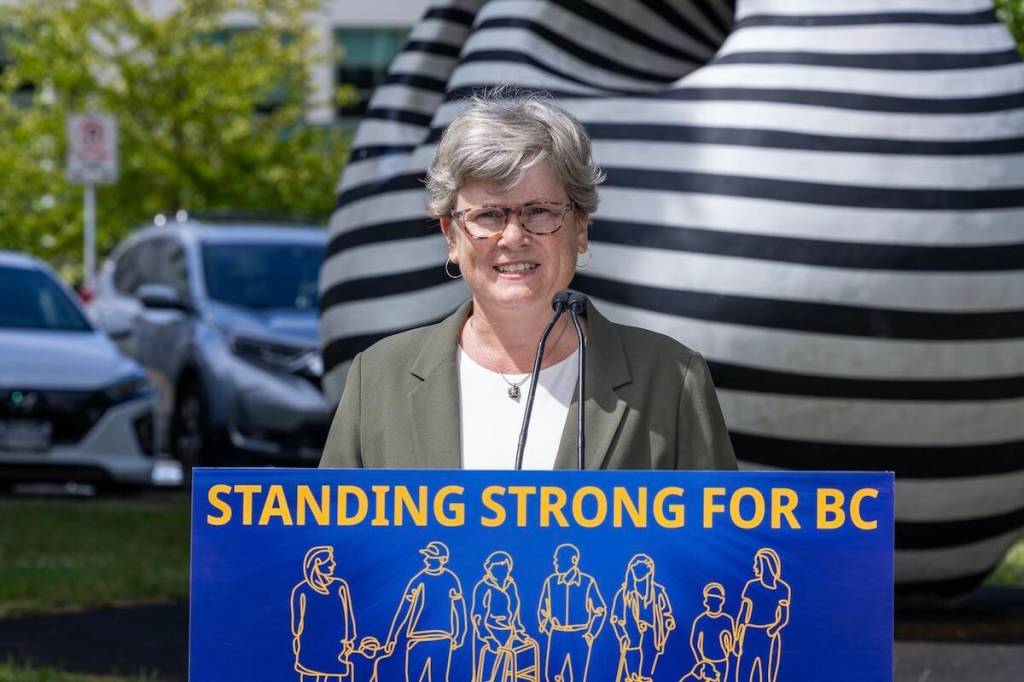
British Columbia is set to implement a pivotal change to its prescribed alternatives program as of December 30, 2023. The province will require all patients to receive their prescribed alternatives, commonly known as “safer supply” drugs, through witnessed dosing. This transition was initially announced in February but was only applied to new patients at that time. Existing patients were allowed to continue their prescriptions at home until now.
As of the end of this month, all patients will need to take their medications in the presence of a health professional. This requirement aims to better manage the distribution of hydromorphone, a key component in the program designed to help individuals struggling with opioid addiction by providing a safer alternative to toxic street drugs.
The move has sparked controversy, particularly after reports indicated that some prescribed alternatives were allegedly being diverted to the illegal market. Furthermore, there were claims that certain pharmacists offered incentives to attract patients to their services.
In defense of the program, Health Minister Josie Osborne addressed concerns, stating, “Prescribed alternatives remain one of many tools and strategies that we use to help separate people from a toxic drug supply, to help keep them alive, to access care.”
While the witnessed dosing requirement will apply broadly, there will be “limited exceptions” for specific cases, although details on these exceptions have yet to be clarified. Osborne is expected to provide further insights on these changes during a scheduled address at 1:15 PM on the same day.
The prescribed alternatives program has been a significant aspect of British Columbia’s response to the ongoing opioid crisis, which has seen a sharp increase in overdose deaths in recent years. By ensuring that patients use their medication under supervision, the province aims to mitigate risks associated with misuse and promote safer practices.
As the implementation date approaches, many are watching closely to see how these changes will impact patients and the broader fight against opioid addiction in the region. This story will be updated following Minister Osborne’s remarks.

Strategy Transforms into a Leveraged Bitcoin Vehicle, Faces $12.4B Loss

Oswego Panthers Triumph as Ethan Vahl Celebrates 1,000 Points

Fungi Transform Carrot Waste into Sustainable Protein Source

Victoria Counsellors Launch Initiative to Enhance Mental Health Access

Winnipeg’s Shivers & Shimmies Gala Showcases New Talent

Create Your Own Stained Glass Heart at FrogWerkz Workshops

Marcus Lewis Outlines Ambitious Agenda for 2026 Congressional Bid

DeKalb County Community Foundation Appoints Kyle White as Manager

Fungi Transform Carrot Waste into Sustainable Protein Source

Urgent Action Needed: B.C. Paramedics Vote on Potential Strike

Brandon University’s Failed $5 Million Project Sparks Oversight Review

Microsoft Confirms U.S. Law Overrules Canadian Data Sovereignty

Winnipeg Celebrates Culinary Creativity During Le Burger Week 2025

Montreal’s Groupe Marcelle Leads Canadian Cosmetic Industry Growth

New SĆIȺNEW̱ SṮEȽIṮḴEȽ Elementary Opens in Langford for 2025/2026 Year

Tech Innovator Amandipp Singh Transforms Hiring for Disabled

Dragon Ball: Sparking! Zero Launching on Switch and Switch 2 This November

EngineAI Unveils T800 Humanoid Robot, Setting New Industry Standards

Digg Relaunches as Founders Kevin Rose and Alexis Ohanian Join Forces

Canadiens Eye Elias Pettersson: What It Would Cost to Acquire Him
-
 Education5 months ago
Brandon University’s Failed $5 Million Project Sparks Oversight Review
-
 Science6 months ago
Microsoft Confirms U.S. Law Overrules Canadian Data Sovereignty
-
 Lifestyle5 months ago
Winnipeg Celebrates Culinary Creativity During Le Burger Week 2025
-
 Health6 months ago
Montreal’s Groupe Marcelle Leads Canadian Cosmetic Industry Growth
-
 Education5 months ago
New SĆIȺNEW̱ SṮEȽIṮḴEȽ Elementary Opens in Langford for 2025/2026 Year
-
 Science6 months ago
Tech Innovator Amandipp Singh Transforms Hiring for Disabled
-
 Technology6 months ago
Dragon Ball: Sparking! Zero Launching on Switch and Switch 2 This November
-
 Business2 months ago
EngineAI Unveils T800 Humanoid Robot, Setting New Industry Standards
-
 Technology3 weeks ago
Digg Relaunches as Founders Kevin Rose and Alexis Ohanian Join Forces
-
Top Stories2 months ago
Canadiens Eye Elias Pettersson: What It Would Cost to Acquire Him
-

 Education6 months ago
Red River College Launches New Programs to Address Industry Needs
-

 Business5 months ago
Rocket Lab Reports Strong Q2 2025 Revenue Growth and Future Plans
-

 Technology6 months ago
Google Pixel 10 Pro Fold Specs Unveiled Ahead of Launch
-

 Education6 months ago
Alberta Teachers’ Strike: Potential Impacts on Students and Families
-

 Technology4 months ago
Discord Faces Serious Security Breach Affecting Millions
-

 Business6 months ago
BNA Brewing to Open New Bowling Alley in Downtown Penticton
-

 Science6 months ago
China’s Wukong Spacesuit Sets New Standard for AI in Space
-

 Lifestyle4 months ago
Canadian Author Secures Funding to Write Book Without Financial Strain
-

 Business6 months ago
New Estimates Reveal ChatGPT-5 Energy Use Could Soar
-

 Business1 month ago
Nvidia and AMD CEOs Unveil AI Innovations at CES 2026
-

 Business4 months ago
Hydro-Québec Espionage Trial Exposes Internal Oversight Failures
-

 Business6 months ago
Dawson City Residents Rally Around Buy Canadian Movement
-

 Top Stories4 months ago
Patrik Laine Struggles to Make Impact for Canadiens Early Season
-

 Technology6 months ago
Future Entertainment Launches DDoD with Gameplay Trailer Showcase