
Education
Edmonton Schools Face Rising Chronic Absenteeism Crisis

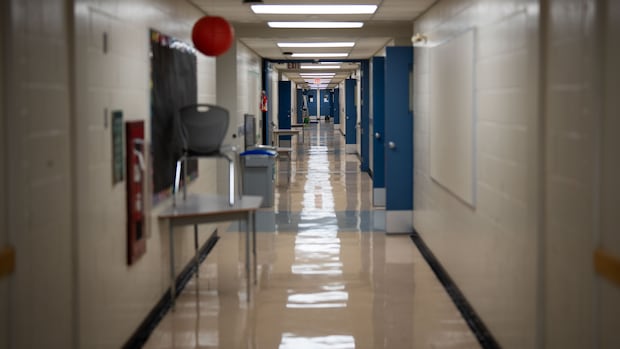
Recent data reveals a troubling trend in Edmonton, where nearly one in three public school students are chronically absent from class. According to information obtained by CBC News, approximately 39,600 students in Edmonton Public Schools were classified as chronically absent during the 2022-23 school year. This statistic marks a significant increase from the 14,000 students recorded in the 2019-20 academic year, the first year impacted by the COVID-19 pandemic.
The rise in chronic absenteeism, defined as missing at least 10 percent of the school year—approximately 18 days—has sparked concern among education experts. They warn that this issue could signal deeper challenges for students. Jacqueline Leighton, a professor of educational psychology at the University of Alberta, expressed alarm over the figures, stating, “As a parent, as a teacher, I would be very concerned.”
Data analysis showed that the problem is particularly acute in public schools, with more than 30 percent of students experiencing chronic absenteeism annually since the height of the pandemic. The situation is mirrored in Edmonton’s Catholic schools, where attendance issues have also escalated.
Underlying Causes and Impacts of Absenteeism
The factors contributing to absenteeism are varied and complex. Illness, inadequate transportation, anxiety, and bullying are all potential reasons students miss school. Leighton emphasized the importance of consistent attendance, stating that students learn not only academic content but also critical social and emotional skills. She warned that persistent absenteeism could exacerbate learning loss experienced during the pandemic.
The data from Edmonton tracked chronic absenteeism alongside excused absences, illness-related absences, and unexcused absences. The findings indicate that both public and Catholic school divisions have seen similar trends during the pandemic, with chronic absenteeism peaking in the 2022-23 school year before showing slight improvement. Nonetheless, overall absence rates remain high.
Joshua Childs, an associate professor of educational leadership and policy at the University of Texas at Austin, noted that schools worldwide are grappling with attendance challenges in the aftermath of the pandemic. He pointed out that the shift in education delivery options has led parents to reconsider their children’s school attendance.
Strategies for Improvement and Community Involvement
Under the Alberta Education Act, students aged six to 16 are required to attend school. Local school authorities are mandated to make “reasonable efforts” to ensure students attend classes. School officials in Edmonton are implementing various strategies to address attendance issues, which may include collaboration with external resources and agencies.
The Edmonton Public Schools division reported that regular check-ins and personalized attendance goals are among the methods used to engage students. In extreme cases, outside help may be sought. Catholic school authorities are also developing strategies to promote attendance, which can include working with family school liaison workers and mental health specialists.
Ryan Feehan, the Superintendent of Learning Services for Edmonton Catholic Schools, remarked on a societal shift regarding health perceptions, stating, “There has been a little bit of a change that’s occurred in society where, if you’re not well enough to go to work, if you’re not well enough to go to school, then stay home and take care of yourself.” This shift may have contributed to increased illness-related absences.
Both public and Catholic school divisions recognize the importance of nurturing strong relationships between students and teachers, which can motivate attendance. Leighton and Childs both emphasized that understanding the unique barriers each student faces is crucial for effective intervention.
In cases where all strategies to improve attendance have been exhausted, school authorities may refer students to Alberta’s Office of Student Attendance and Re-engagement. This office, created to assist school divisions in addressing chronic absenteeism, can implement formal processes for dealing with prolonged absence.
The alarming rise in chronic absenteeism among Edmonton students underscores the need for a collective response from educators, families, and the community. As schools continue to navigate these challenges, fostering a supportive environment that prioritizes attendance will be essential for the success of students in the years to come.

Bodybuilder Larissa Shines as STAR in Fitness Spotlight

G7 Ministers Convene in Montreal to Address AI and Quantum Technologies

Eli Lilly, Pfizer, and Johnson & Johnson Join China’s Drug Insurance List

Newfoundland and Labrador Weighs Future of $3.2M U.S. Alcohol Stockpile

Aries Faces Tough Questions on December 8: Honesty Required

Shell Resumes Gasoline Sales in Indonesia After Supply Disruptions

Bodybuilder Larissa Shines in SUNshine Feature from 2018

Experience the Spectacular Geminids Meteor Shower This Week

Eli Lilly, Pfizer, and Johnson & Johnson Join China’s Drug Insurance List

Google Play Books Marks 15 Years of E-Book and Audiobook Sales

Brandon University’s Failed $5 Million Project Sparks Oversight Review

Microsoft Confirms U.S. Law Overrules Canadian Data Sovereignty

Winnipeg Celebrates Culinary Creativity During Le Burger Week 2025

Montreal’s Groupe Marcelle Leads Canadian Cosmetic Industry Growth

Tech Innovator Amandipp Singh Transforms Hiring for Disabled

Dragon Ball: Sparking! Zero Launching on Switch and Switch 2 This November

Red River College Launches New Programs to Address Industry Needs

Google Pixel 10 Pro Fold Specs Unveiled Ahead of Launch

Rocket Lab Reports Strong Q2 2025 Revenue Growth and Future Plans

Discord Faces Serious Security Breach Affecting Millions
-
 Education3 months ago
Brandon University’s Failed $5 Million Project Sparks Oversight Review
-
 Science4 months ago
Microsoft Confirms U.S. Law Overrules Canadian Data Sovereignty
-
 Lifestyle3 months ago
Winnipeg Celebrates Culinary Creativity During Le Burger Week 2025
-
 Health4 months ago
Montreal’s Groupe Marcelle Leads Canadian Cosmetic Industry Growth
-
 Science4 months ago
Tech Innovator Amandipp Singh Transforms Hiring for Disabled
-
 Technology4 months ago
Dragon Ball: Sparking! Zero Launching on Switch and Switch 2 This November
-
 Education4 months ago
Red River College Launches New Programs to Address Industry Needs
-
 Technology4 months ago
Google Pixel 10 Pro Fold Specs Unveiled Ahead of Launch
-
 Business3 months ago
Rocket Lab Reports Strong Q2 2025 Revenue Growth and Future Plans
-
 Technology2 months ago
Discord Faces Serious Security Breach Affecting Millions
-

 Education4 months ago
Alberta Teachers’ Strike: Potential Impacts on Students and Families
-

 Education3 months ago
New SĆIȺNEW̱ SṮEȽIṮḴEȽ Elementary Opens in Langford for 2025/2026 Year
-

 Science4 months ago
China’s Wukong Spacesuit Sets New Standard for AI in Space
-

 Technology4 months ago
World of Warcraft Players Buzz Over 19-Quest Bee Challenge
-

 Business4 months ago
New Estimates Reveal ChatGPT-5 Energy Use Could Soar
-

 Business4 months ago
BNA Brewing to Open New Bowling Alley in Downtown Penticton
-

 Business4 months ago
Dawson City Residents Rally Around Buy Canadian Movement
-

 Technology2 months ago
Huawei MatePad 12X Redefines Tablet Experience for Professionals
-

 Technology4 months ago
Future Entertainment Launches DDoD with Gameplay Trailer Showcase
-

 Technology4 months ago
Global Launch of Ragnarok M: Classic Set for September 3, 2025
-

 Technology4 months ago
Innovative 140W GaN Travel Adapter Combines Power and Convenience
-

 Top Stories3 months ago
Blue Jays Shift José Berríos to Bullpen Ahead of Playoffs
-

 Science4 months ago
Xi Labs Innovates with New AI Operating System Set for 2025 Launch
-

 Technology4 months ago
New IDR01 Smart Ring Offers Advanced Sports Tracking for $169