
Top Stories
N.W.T. Government Seeks Increased Funding for Indigenous Participation

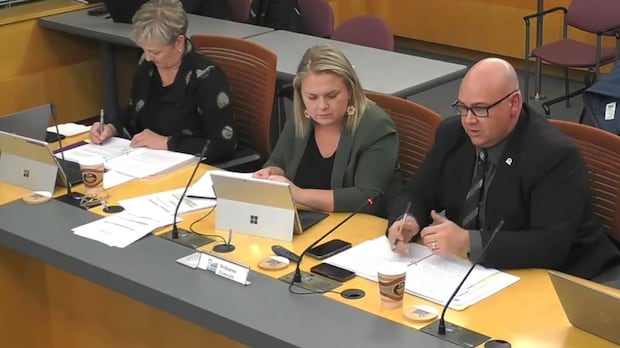
The government of the Northwest Territories (N.W.T.) is preparing to request additional funding from the federal government to enhance Indigenous communities’ participation in environmental assessments. This comes as the territory’s current budget for the Interim Resource Management Assistance (IRMA) program has been fully utilized. At a recent committee meeting, Robert Jenkins, the deputy environment minister, expressed interest in the allocation of $67 million in federal funds aimed at expediting regulatory processes.
The IRMA program, which supports Indigenous communities lacking land and resource agreements, operates on an annual budget of $1.5 million. Jenkins highlighted the necessity for expanded funding during discussions with the federal government. “We’re really interested in that conversation we’re going to have next week with Canada,” he stated, emphasizing the potential impact on Indigenous participation in environmental assessments.
During the meeting, Julian Morse, the Member of the Legislative Assembly (MLA) for Frame Lake, queried the N.W.T. government’s commitment to increasing its own funding for the IRMA program. Jenkins acknowledged ongoing efforts to persuade federal authorities to boost financial support but noted that the territorial government remains cautious about its own spending.
The issue of funding for Indigenous capacity-building in resource management has been termed “historically underfunded” by Kate Reid, MLA for Great Slave. She pointed out the growing relevance of such funding as Canada and the N.W.T. look to accelerate critical mineral development, including projects such as the Mackenzie Valley Highway and the proposed Arctic economic corridor. Reid argued that Indigenous governments require adequate resources to fully engage in the resource management regime, stating, “They need their resource capacity to work within these systems.”
N.W.T. Environment Minister Jay Macdonald recently met with Rebecca Chartrand, the federal Minister of Northern and Arctic Affairs, to discuss these pressing issues. Following the meeting, Macdonald noted that capacity-building has emerged as a recurring concern in discussions with Indigenous governments. He emphasized the need for sustained funding to ensure that Indigenous communities can effectively navigate the environmental assessment process and improve capacity at land and water boards.
In the 2023/24 fiscal year, the territory allocated $1.9 million to the IRMA program, with an annual budget of approximately $1.65 million planned moving forward. As the N.W.T. evaluates its role in the regulatory system, the conversation around expanding the IRMA program aligns with recommendations from a recent review of its regulatory framework.
Industry Minister Caitlin Cleveland commented on the necessity of building capacity within Indigenous governments, indicating that some territorial staff have been seconded to assist these communities. She stressed the urgency of addressing funding needs in light of geopolitical pressures, stating, “To have support and to have certainty you need that engagement and you need that relationship and partnership.”
Cleveland concluded that while the N.W.T. is contributing resources, the scale of funding required by Indigenous governments necessitates federal support to achieve effective collaboration. The upcoming discussions between the N.W.T. government and federal officials will likely shape the future of Indigenous participation in environmental assessments and resource management in the territory.

iShares Core Dividend Growth ETF Faces Challenges; Alternatives Suggested

Discover 7 Scenic Hikes Near Calgary to Explore This Spring

Scientists Uncover Life’s Building Blocks in Ryugu Asteroid Samples

Windsor-Essex Unveils New Action Plan to Combat Substance Use

Boost Your Business Visibility with These Local SEO Strategies

East Algoma OPP Urges Public to Limit Travel Amid Hazardous Conditions

Universities Must Rethink Failure to Support Student Growth

Canada Invests $6.4 Million to Boost Green Shipping Corridors

Stony Plain Secures 14th Consecutive Award for Financial Reporting Excellence

Rhythm Pharmaceuticals Reports Strong Q4 Growth Ahead of FDA Decision

Brandon University’s Failed $5 Million Project Sparks Oversight Review

Microsoft Confirms U.S. Law Overrules Canadian Data Sovereignty

Discover Aritzia’s Latest Fashion Trends: A Comprehensive Review

Winnipeg Celebrates Culinary Creativity During Le Burger Week 2025

New SĆIȺNEW̱ SṮEȽIṮḴEȽ Elementary Opens in Langford for 2025/2026 Year

EngineAI Unveils T800 Humanoid Robot, Setting New Industry Standards

Montreal’s Groupe Marcelle Leads Canadian Cosmetic Industry Growth

Tech Innovator Amandipp Singh Transforms Hiring for Disabled

Dragon Ball: Sparking! Zero Launching on Switch and Switch 2 This November

Canmore’s Le Fournil Bakery to Close After 14 Successful Years
-
 Education7 months ago
Brandon University’s Failed $5 Million Project Sparks Oversight Review
-
 Science8 months ago
Microsoft Confirms U.S. Law Overrules Canadian Data Sovereignty
-
 Lifestyle4 months ago
Discover Aritzia’s Latest Fashion Trends: A Comprehensive Review
-
 Lifestyle8 months ago
Winnipeg Celebrates Culinary Creativity During Le Burger Week 2025
-
 Education8 months ago
New SĆIȺNEW̱ SṮEȽIṮḴEȽ Elementary Opens in Langford for 2025/2026 Year
-
 Business4 months ago
EngineAI Unveils T800 Humanoid Robot, Setting New Industry Standards
-
 Health8 months ago
Montreal’s Groupe Marcelle Leads Canadian Cosmetic Industry Growth
-
 Science8 months ago
Tech Innovator Amandipp Singh Transforms Hiring for Disabled
-
 Technology8 months ago
Dragon Ball: Sparking! Zero Launching on Switch and Switch 2 This November
-
 Lifestyle1 month ago
Canmore’s Le Fournil Bakery to Close After 14 Successful Years
-

 Technology3 months ago
Digg Relaunches as Founders Kevin Rose and Alexis Ohanian Join Forces
-
 Top Stories4 months ago
Canadiens Eye Elias Pettersson: What It Would Cost to Acquire Him
-

 Health7 months ago
Eganville Leader to Close in 2026 After 123 Years of Reporting
-

 Education8 months ago
Red River College Launches New Programs to Address Industry Needs
-

 Top Stories4 months ago
Nicol Brothers Shine as Wheat Kings Dominate U18 AAA Hockey
-

 Business8 months ago
BNA Brewing to Open New Bowling Alley in Downtown Penticton
-

 Business7 months ago
Rocket Lab Reports Strong Q2 2025 Revenue Growth and Future Plans
-

 Lifestyle5 months ago
Edmonton’s Beloved Evolution Wonderlounge Closes, New Era Begins
-

 Education6 months ago
Alberta Petition Aims to Redirect Funds from Private to Public Schools
-

 Education8 months ago
Alberta Teachers’ Strike: Potential Impacts on Students and Families
-

 Technology6 months ago
Discord Faces Serious Security Breach Affecting Millions
-

 Technology8 months ago
Google Pixel 10 Pro Fold Specs Unveiled Ahead of Launch
-

 Business8 months ago
Iconic Golden Lion Restaurant in South Surrey to Close After 50 Years
-

 Lifestyle6 months ago
Canadian Author Secures Funding to Write Book Without Financial Strain