
Top Stories
Enhance Project Efficiency with Scissor Lift Rentals Today

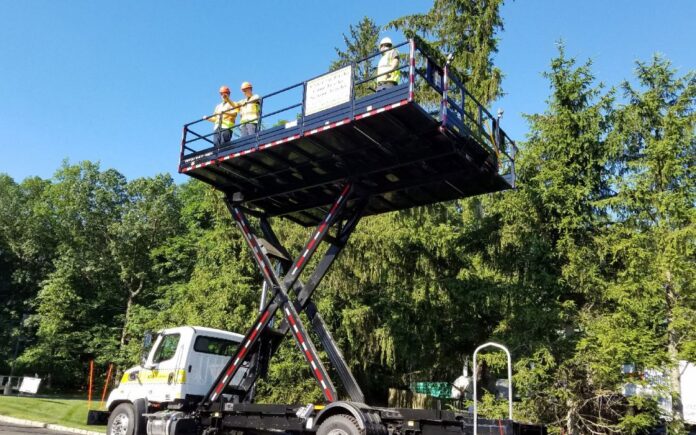
Scissor lifts have become integral to various sectors, providing significant advantages in elevating personnel and equipment to heights typically ranging from 10 to 50 feet. Their unique design, characterized by a crisscrossing support mechanism, allows for vertical movement, making them particularly effective in environments where horizontal reach is less essential. This capability positions scissor lifts as ideal solutions for maintenance, construction, painting, and warehousing tasks.
Cost-Effectiveness of Renting Versus Purchasing
When businesses evaluate whether to rent or purchase a scissor lift, financial considerations heavily influence the decision. Renting offers access to the latest models without the substantial upfront costs associated with ownership. This is particularly advantageous for contractors or companies that require elevation equipment for specific projects only. By opting for rental, businesses can avoid ongoing maintenance costs, storage challenges, and the depreciation that accompanies purchased equipment.
Moreover, rental companies typically provide advanced models equipped with the latest safety features and efficiency upgrades. This accessibility ensures that renters benefit from top-quality equipment, improving both performance and safety standards on job sites.
Environmental Considerations: A Sustainable Choice
In an era increasingly focused on sustainability, scissor lift rentals present an environmentally friendly option. Many rental companies now offer electric models that produce zero emissions, significantly reducing the carbon footprint of construction projects. Choosing to rent also minimizes waste associated with the purchase of underutilized equipment, which may sit idle or become obsolete.
As the construction industry progresses towards more sustainable practices, manufacturers are prioritizing energy-efficient technologies in their scissor lift offerings. By renting these advanced models, businesses contribute to a larger movement aimed at environmental conservation while simultaneously enhancing operational efficiency.
Understanding the various types of scissor lifts is crucial for making informed rental decisions. Generally, they can be categorized into three primary types: electric, diesel, and rough terrain. Electric models are ideal for indoor tasks due to their compact size and quiet operation. Diesel lifts, with their robust designs, cater to outdoor projects that may encounter rough terrain. Rough terrain scissor lifts are specifically engineered for challenging landscapes, providing stability and safety.
Key Specifications: Weight Capacity and Reach
Every scissor lift has a designated weight capacity and maximum working height, both critical for safe operation. Typical weight capacities range from 500 to over 2,500 pounds, making it essential for users to assess the tools and personnel being elevated. Overloading a lift can jeopardize safety and integrity.
The required working height should also be a primary consideration. If a project involves working close to ceilings, a smaller lift may suffice. Conversely, for tasks on high-rise structures, selecting a model capable of greater elevation is necessary. A thorough evaluation of both weight and height specifications can ensure optimal functionality and safety during operations.
Safety features are paramount in selecting a scissor lift. Prioritized elements include guardrails, emergency stop buttons, and tilt sensors that prevent operation on uneven ground. Many modern lifts now come with automatic leveling systems, enhancing stability on varied surfaces. Additionally, integrated personnel communication systems aid in coordination between operators and ground crews, further enhancing safety.
Optimizing the Rental Experience
To maximize the benefits of a scissor lift rental, thorough pre-rental preparations are essential. Assessing project needs comprehensively includes evaluating anticipated elevation requirements, duration of rental, and specific job conditions. Creating a checklist can facilitate better communication with rental companies, leading to tailored recommendations that match project demands.
Site-specific factors can significantly influence lift operations. Terrain, overhead obstacles, and weather conditions can present challenges that require careful planning. Conducting a site assessment prior to lift operation allows teams to identify potential hazards, ensuring safety and preparedness.
Operator training is another critical aspect of achieving efficiency and safety. Comprehensive training programs covering safety protocols and operational best practices are essential to ensure operators can maximize the lift’s capabilities effectively. Many rental companies offer training sessions as part of the rental agreement, which can significantly reduce accidents and enhance productivity.
Future Trends: Innovations in Scissor Lifts
The scissor lift industry is undergoing significant transformation driven by technological advancements. Emerging trends include the integration of Internet of Things (IoT) technology that facilitates real-time monitoring of performance and maintenance needs. This proactive approach minimizes downtime and enhances operational safety.
Automation features, such as automatic leveling and remote operation capabilities, are becoming more common, allowing operators to focus on their tasks rather than equipment management. These innovations promise to improve efficiency and safety across various construction sectors.
As the demand for aerial work platforms continues to rise, rental companies are increasingly favoring flexible arrangements that cater to fluctuating project needs. This shift positions the rental market for further growth, presenting opportunities for investment in advanced technologies that enhance competitiveness.
In conclusion, utilizing scissor lift rentals not only enhances project efficiency but also aligns with sustainable practices and technological advancements. By understanding the various types, specifications, and safety considerations, businesses can make informed decisions that ensure successful project outcomes while contributing positively to the environment.

iShares Core Dividend Growth ETF Faces Challenges; Alternatives Suggested

Discover 7 Scenic Hikes Near Calgary to Explore This Spring

Scientists Uncover Life’s Building Blocks in Ryugu Asteroid Samples

Windsor-Essex Unveils New Action Plan to Combat Substance Use

Boost Your Business Visibility with These Local SEO Strategies

East Algoma OPP Urges Public to Limit Travel Amid Hazardous Conditions

Universities Must Rethink Failure to Support Student Growth

Canada Invests $6.4 Million to Boost Green Shipping Corridors

Stony Plain Secures 14th Consecutive Award for Financial Reporting Excellence

Rhythm Pharmaceuticals Reports Strong Q4 Growth Ahead of FDA Decision

Brandon University’s Failed $5 Million Project Sparks Oversight Review

Microsoft Confirms U.S. Law Overrules Canadian Data Sovereignty

Discover Aritzia’s Latest Fashion Trends: A Comprehensive Review

Winnipeg Celebrates Culinary Creativity During Le Burger Week 2025

New SĆIȺNEW̱ SṮEȽIṮḴEȽ Elementary Opens in Langford for 2025/2026 Year

EngineAI Unveils T800 Humanoid Robot, Setting New Industry Standards

Montreal’s Groupe Marcelle Leads Canadian Cosmetic Industry Growth

Tech Innovator Amandipp Singh Transforms Hiring for Disabled

Dragon Ball: Sparking! Zero Launching on Switch and Switch 2 This November

Digg Relaunches as Founders Kevin Rose and Alexis Ohanian Join Forces
-
 Education7 months ago
Brandon University’s Failed $5 Million Project Sparks Oversight Review
-
 Science8 months ago
Microsoft Confirms U.S. Law Overrules Canadian Data Sovereignty
-
 Lifestyle4 months ago
Discover Aritzia’s Latest Fashion Trends: A Comprehensive Review
-
 Lifestyle8 months ago
Winnipeg Celebrates Culinary Creativity During Le Burger Week 2025
-
 Education8 months ago
New SĆIȺNEW̱ SṮEȽIṮḴEȽ Elementary Opens in Langford for 2025/2026 Year
-
 Business4 months ago
EngineAI Unveils T800 Humanoid Robot, Setting New Industry Standards
-
 Health8 months ago
Montreal’s Groupe Marcelle Leads Canadian Cosmetic Industry Growth
-
 Science8 months ago
Tech Innovator Amandipp Singh Transforms Hiring for Disabled
-
 Technology8 months ago
Dragon Ball: Sparking! Zero Launching on Switch and Switch 2 This November
-
 Technology3 months ago
Digg Relaunches as Founders Kevin Rose and Alexis Ohanian Join Forces
-

 Lifestyle4 weeks ago
Canmore’s Le Fournil Bakery to Close After 14 Successful Years
-
 Top Stories4 months ago
Canadiens Eye Elias Pettersson: What It Would Cost to Acquire Him
-

 Health7 months ago
Eganville Leader to Close in 2026 After 123 Years of Reporting
-

 Education8 months ago
Red River College Launches New Programs to Address Industry Needs
-

 Top Stories4 months ago
Nicol Brothers Shine as Wheat Kings Dominate U18 AAA Hockey
-

 Business8 months ago
BNA Brewing to Open New Bowling Alley in Downtown Penticton
-

 Business7 months ago
Rocket Lab Reports Strong Q2 2025 Revenue Growth and Future Plans
-

 Lifestyle5 months ago
Edmonton’s Beloved Evolution Wonderlounge Closes, New Era Begins
-

 Education6 months ago
Alberta Petition Aims to Redirect Funds from Private to Public Schools
-

 Education8 months ago
Alberta Teachers’ Strike: Potential Impacts on Students and Families
-

 Technology6 months ago
Discord Faces Serious Security Breach Affecting Millions
-

 Technology8 months ago
Google Pixel 10 Pro Fold Specs Unveiled Ahead of Launch
-

 Business8 months ago
Iconic Golden Lion Restaurant in South Surrey to Close After 50 Years
-

 Lifestyle6 months ago
Canadian Author Secures Funding to Write Book Without Financial Strain