
Technology
SkyTrain Marks Retirement of Second-Generation Mark II Trains

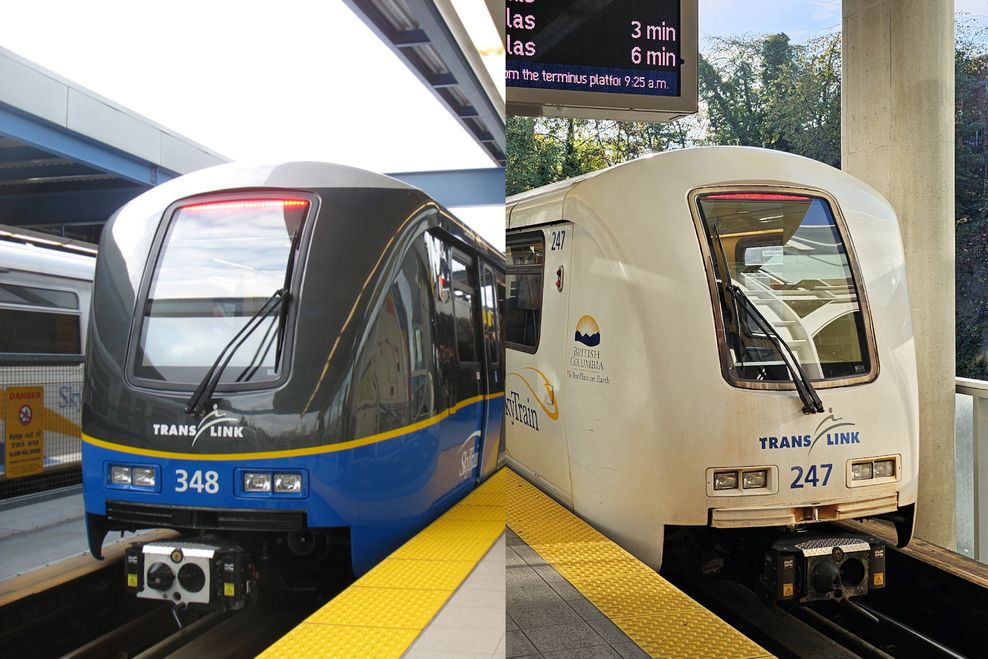
Plans are underway for the gradual retirement of the entire fleet of second-generation Mark II trains used on SkyTrain’s Expo and Millennium lines. TransLink, the public transit authority, has confirmed that it will replace these trains, which were delivered in two batches: the first comprising 60 cars from 2000 to 2002, followed by 48 more cars with enhanced features from 2009 to 2010, coinciding with the 2010 Winter Olympics.
TransLink aims to start replacing the initial 60 Mark II cars with the new-generation Mark V trains in 2026. The order for the new trains is expected to cost approximately $433 million, with around $51 million allocated for the initial order and the remainder distributed through 2030. The first of these replacement trains could be operational by 2030, marking the beginning of a phased retirement for the first batch of Mark II trains.
Details of the Mark II Fleet and Future Upgrades
The Mark II trains, recognizable by their white exterior and aerodynamic design, are predominantly used on the Millennium Line, typically operating in two-car configurations. Unfortunately, these cars are now in relatively poor condition. The second batch of Mark II cars features a charcoal grey, blue, and yellow livery, along with several interior improvements, including more comfortable seating and an upgraded heating, ventilation, and air-conditioning (HVAC) system. They currently serve the Expo Line in four-car configurations but are also showing signs of age.
TransLink plans to begin replacing the remaining 48 Mark II cars starting in 2033/2034, completing the transition to newer models later in the decade. At that point, the Expo and Millennium lines will exclusively operate with Mark V and Mark III trains, as the original Mark I cars will also be retired by then.
Patrice Impey, Chief Financial Officer of TransLink, emphasized the importance of maintaining the transit system’s reliability and safety during a recent board meeting. “More than half of our capital program ensures the assets we use to deliver our current services remain in a state of good repair,” she stated, referring to the ongoing efforts to replace aging vehicles and maintain infrastructure.
Technological Advancements and Future Capacity
The Mark V trains, which will gradually replace the Mark II fleet, are designed with enhanced technical performance and improved passenger comfort. They share a similar framework with the Mark III trains introduced between 2016 and 2020, but the Mark V model will include an additional car, increasing overall capacity. Features such as larger video displays providing real-time information and improved HVAC systems are significant upgrades over previous models.
TransLink has secured an agreement with Alstom, formerly Bombardier Transportation, allowing for the potential order of up to 400 Mark V cars by 2035. The initial order of 205 Mark V cars, forming 41 five-car trains, is aimed at replacing the aging Mark I fleet and accommodating increased demand associated with the upcoming Broadway extension of the Millennium Line, set to open in Fall 2027.
In addition to addressing the needs of current ridership, the introduction of Mark V trains is anticipated to significantly boost capacity on both the Expo and Millennium lines. According to TransLink, the peak-period capacity for the Expo Line is expected to increase from 14,400 passengers per hour per direction (pphpd) in 2025 to 17,000 pphpd by 2030. The Millennium Line will also see an increase, jumping to 8,000 pphpd as demand grows.
In summary, the phased retirement of the Mark II fleet marks a significant step for TransLink, as it seeks to modernize its service offerings and enhance the overall efficiency of the SkyTrain network. The transition to new Mark V trains and the planned expansions reflect a commitment to meeting future ridership demands while ensuring the reliability and safety of public transit services.

Navigating Life’s Irritations: A Humorous Take on Aging

Saanich Implements Fixed-Fee Water Rate to Stabilize Budgets

Airdrie Town Hall Addresses Classroom Overcrowding Concerns

Saanich Shifts Water Rates to Fixed Fees to Stabilize Budgets

Mobile Clinic Launches to Support Rural Hospitals Near Ottawa

Canadian Doctors Warn U.S. Vaccine Cuts Could Endanger Health

Canada Dismisses Reports of Potential Ban on Social Media Platform X

Hawaii Enacts Law to Ensure Authentic Macadamia Nut Labeling

Richmond Launches Professional Development Series for Artists

SSENSE Co-Founders Secure Deal to Reacquire Luxury Retailer

Brandon University’s Failed $5 Million Project Sparks Oversight Review

Microsoft Confirms U.S. Law Overrules Canadian Data Sovereignty

Winnipeg Celebrates Culinary Creativity During Le Burger Week 2025

Montreal’s Groupe Marcelle Leads Canadian Cosmetic Industry Growth

Tech Innovator Amandipp Singh Transforms Hiring for Disabled

Dragon Ball: Sparking! Zero Launching on Switch and Switch 2 This November

New SĆIȺNEW̱ SṮEȽIṮḴEȽ Elementary Opens in Langford for 2025/2026 Year

Red River College Launches New Programs to Address Industry Needs

Rocket Lab Reports Strong Q2 2025 Revenue Growth and Future Plans

Google Pixel 10 Pro Fold Specs Unveiled Ahead of Launch
-
 Education4 months ago
Brandon University’s Failed $5 Million Project Sparks Oversight Review
-
 Science5 months ago
Microsoft Confirms U.S. Law Overrules Canadian Data Sovereignty
-
 Lifestyle4 months ago
Winnipeg Celebrates Culinary Creativity During Le Burger Week 2025
-
 Health5 months ago
Montreal’s Groupe Marcelle Leads Canadian Cosmetic Industry Growth
-
 Science5 months ago
Tech Innovator Amandipp Singh Transforms Hiring for Disabled
-
 Technology5 months ago
Dragon Ball: Sparking! Zero Launching on Switch and Switch 2 This November
-
 Education5 months ago
New SĆIȺNEW̱ SṮEȽIṮḴEȽ Elementary Opens in Langford for 2025/2026 Year
-
 Education5 months ago
Red River College Launches New Programs to Address Industry Needs
-
 Business4 months ago
Rocket Lab Reports Strong Q2 2025 Revenue Growth and Future Plans
-
 Technology5 months ago
Google Pixel 10 Pro Fold Specs Unveiled Ahead of Launch
-
 Top Stories4 weeks ago
Canadiens Eye Elias Pettersson: What It Would Cost to Acquire Him
-

 Technology3 months ago
Discord Faces Serious Security Breach Affecting Millions
-

 Education5 months ago
Alberta Teachers’ Strike: Potential Impacts on Students and Families
-

 Business1 month ago
EngineAI Unveils T800 Humanoid Robot, Setting New Industry Standards
-

 Business5 months ago
BNA Brewing to Open New Bowling Alley in Downtown Penticton
-

 Science5 months ago
China’s Wukong Spacesuit Sets New Standard for AI in Space
-

 Lifestyle3 months ago
Canadian Author Secures Funding to Write Book Without Financial Strain
-

 Business5 months ago
New Estimates Reveal ChatGPT-5 Energy Use Could Soar
-

 Business5 months ago
Dawson City Residents Rally Around Buy Canadian Movement
-

 Business3 months ago
Hydro-Québec Espionage Trial Exposes Internal Oversight Failures
-

 Technology5 months ago
Future Entertainment Launches DDoD with Gameplay Trailer Showcase
-

 Top Stories4 months ago
Blue Jays Shift José Berríos to Bullpen Ahead of Playoffs
-

 Technology5 months ago
World of Warcraft Players Buzz Over 19-Quest Bee Challenge
-

 Top Stories3 months ago
Patrik Laine Struggles to Make Impact for Canadiens Early Season