
Technology
Canada Faces Conservation Challenge Under Prime Minister Carney

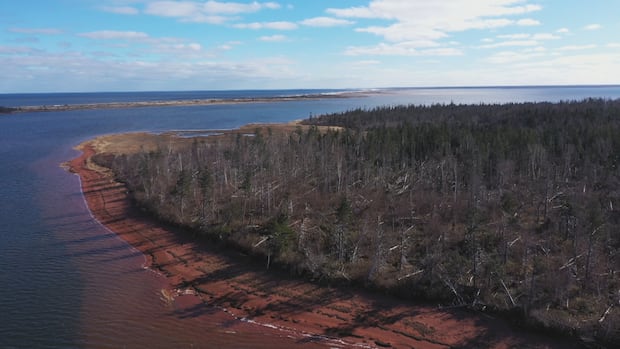
Canada’s commitment to nature conservation is under scrutiny as Prime Minister Mark Carney prioritizes resource development over environmental initiatives. After hosting a significant United Nations nature summit in Montreal in 2022, where countries pledged to protect 30 percent of the world’s lands and oceans by 2030, the Liberal government now faces criticism for its shift in focus.
At the summit, Canada promised to more than double its current amount of protected spaces. Yet, three years later, the landscape has changed dramatically. The resignation of former environmental minister Steven Guilbeault highlights the tensions within the government. Guilbeault left the cabinet in response to new plans aimed at expanding oil and gas development. His departure raises concerns about the future of conservation efforts.
Environmental advocates are voicing alarm as the Carney government appears to pivot away from previously established commitments. Among the projects now in jeopardy are proposed national parks and protected areas, as well as support for the “win-win” Indigenous guardians program, which employs Indigenous community members for conservation and research activities. The Seal River watershed, a significant area in northwestern Manitoba, has been proposed for protection and management by local Indigenous communities.
Concerns Over Biodiversity and Conservation Goals
James Snider, vice president of science, knowledge, and innovation for WWF-Canada, expressed concern that biodiversity is no longer a priority in decision-making regarding infrastructure projects. “We risk repeating the mistakes of the past rather than envisioning a future where environment and economy go hand in hand,” he stated.
Currently, Canada is approximately halfway to its goal of protecting 30 percent of its lands and oceans, requiring a substantial increase in designated areas in just five years. During the recent federal election campaign, Carney’s Liberals promised to enhance conservation efforts, including establishing ten new national parks and expanding the Indigenous guardians program, which is set to lose its funding by March 31, 2024.
In the House of Commons, Carney reassured members that Canada remains committed to its climate targets under the Paris Agreement. However, the recent budget lacks explicit commitments for new funding related to conservation, leaving advocates uncertain about the future direction of environmental policies.
Sandra Schwartz, national executive director of the Canadian Parks and Wilderness Society, emphasized the economic benefits of nature and the need for the government to recognize these advantages. As the government seeks to invest in significant economic development projects, the potential long-term benefits of conservation must not be overlooked.
Ongoing Projects at Risk Amid Uncertainty
Several high-profile conservation projects are currently in progress, including the Seal River watershed in Manitoba, a new national park in the South Okanagan in British Columbia, and the Peel River watershed in Yukon, which has completed its feasibility assessment. These projects have undergone extensive survey and planning work, much of which has been conducted by local Indigenous communities. Schwartz noted that these initiatives require substantial funding, which cannot rely solely on philanthropic contributions.
Guilbeault’s resignation has intensified concerns that ongoing conservation projects may be left without necessary support. Community consultations, research, and other preparatory work essential for establishing parks and protected areas often take years to complete.
Valérie Courtois, executive director of the Indigenous Leadership Initiative, emphasized Canada’s opportunity to demonstrate effective conservation leadership globally. As a member of the Innu community, she highlighted the importance of Indigenous involvement in conservation efforts.
Courtois pointed out that the national guardians program, initially introduced as a pilot in 2017 and extended in 2021 with $100 million in funding, is at a critical juncture. With funding set to expire in March, the lack of communication from the government regarding its future has left many uncertain.
Despite the challenges, Courtois remains hopeful about the program’s potential and its positive impact on Indigenous youth, helping them connect with their community and heritage through conservation work.
When approached for comment, Environment and Climate Change Canada did not provide specific details regarding the support for Indigenous-led programs or conservation initiatives. However, the department stated, “The Government of Canada has built the foundation for continued success towards achieving Canada’s conservation targets, and we will continue to partner with Indigenous peoples, provinces and territories, environmental non-government organizations, private sector, and philanthropic organizations to advance this goal.”
As the situation unfolds, both environmental advocates and Indigenous communities are closely monitoring the government’s actions to ensure that Canada’s conservation commitments are upheld amidst shifting priorities under Prime Minister Carney’s administration.

iShares Core Dividend Growth ETF Faces Challenges; Alternatives Suggested

Discover 7 Scenic Hikes Near Calgary to Explore This Spring

Scientists Uncover Life’s Building Blocks in Ryugu Asteroid Samples

Windsor-Essex Unveils New Action Plan to Combat Substance Use

Boost Your Business Visibility with These Local SEO Strategies

East Algoma OPP Urges Public to Limit Travel Amid Hazardous Conditions

Universities Must Rethink Failure to Support Student Growth

Canada Invests $6.4 Million to Boost Green Shipping Corridors

Stony Plain Secures 14th Consecutive Award for Financial Reporting Excellence

Rhythm Pharmaceuticals Reports Strong Q4 Growth Ahead of FDA Decision

Brandon University’s Failed $5 Million Project Sparks Oversight Review

Microsoft Confirms U.S. Law Overrules Canadian Data Sovereignty

Winnipeg Celebrates Culinary Creativity During Le Burger Week 2025

Discover Aritzia’s Latest Fashion Trends: A Comprehensive Review

New SĆIȺNEW̱ SṮEȽIṮḴEȽ Elementary Opens in Langford for 2025/2026 Year

EngineAI Unveils T800 Humanoid Robot, Setting New Industry Standards

Montreal’s Groupe Marcelle Leads Canadian Cosmetic Industry Growth

Tech Innovator Amandipp Singh Transforms Hiring for Disabled

Dragon Ball: Sparking! Zero Launching on Switch and Switch 2 This November

Digg Relaunches as Founders Kevin Rose and Alexis Ohanian Join Forces
-
 Education7 months ago
Brandon University’s Failed $5 Million Project Sparks Oversight Review
-
 Science8 months ago
Microsoft Confirms U.S. Law Overrules Canadian Data Sovereignty
-
 Lifestyle7 months ago
Winnipeg Celebrates Culinary Creativity During Le Burger Week 2025
-
 Lifestyle4 months ago
Discover Aritzia’s Latest Fashion Trends: A Comprehensive Review
-
 Education7 months ago
New SĆIȺNEW̱ SṮEȽIṮḴEȽ Elementary Opens in Langford for 2025/2026 Year
-
 Business4 months ago
EngineAI Unveils T800 Humanoid Robot, Setting New Industry Standards
-
 Health8 months ago
Montreal’s Groupe Marcelle Leads Canadian Cosmetic Industry Growth
-
 Science8 months ago
Tech Innovator Amandipp Singh Transforms Hiring for Disabled
-
 Technology8 months ago
Dragon Ball: Sparking! Zero Launching on Switch and Switch 2 This November
-
 Technology3 months ago
Digg Relaunches as Founders Kevin Rose and Alexis Ohanian Join Forces
-

 Lifestyle4 weeks ago
Canmore’s Le Fournil Bakery to Close After 14 Successful Years
-
 Top Stories4 months ago
Canadiens Eye Elias Pettersson: What It Would Cost to Acquire Him
-

 Health7 months ago
Eganville Leader to Close in 2026 After 123 Years of Reporting
-

 Education8 months ago
Red River College Launches New Programs to Address Industry Needs
-

 Top Stories4 months ago
Nicol Brothers Shine as Wheat Kings Dominate U18 AAA Hockey
-

 Business8 months ago
BNA Brewing to Open New Bowling Alley in Downtown Penticton
-

 Business7 months ago
Rocket Lab Reports Strong Q2 2025 Revenue Growth and Future Plans
-

 Education6 months ago
Alberta Petition Aims to Redirect Funds from Private to Public Schools
-

 Lifestyle5 months ago
Edmonton’s Beloved Evolution Wonderlounge Closes, New Era Begins
-

 Education8 months ago
Alberta Teachers’ Strike: Potential Impacts on Students and Families
-

 Technology6 months ago
Discord Faces Serious Security Breach Affecting Millions
-

 Technology8 months ago
Google Pixel 10 Pro Fold Specs Unveiled Ahead of Launch
-

 Business7 months ago
Iconic Golden Lion Restaurant in South Surrey to Close After 50 Years
-

 Science8 months ago
China’s Wukong Spacesuit Sets New Standard for AI in Space