
Technology
BMW’s Designworks Transforms Sustainability into Creative Innovation

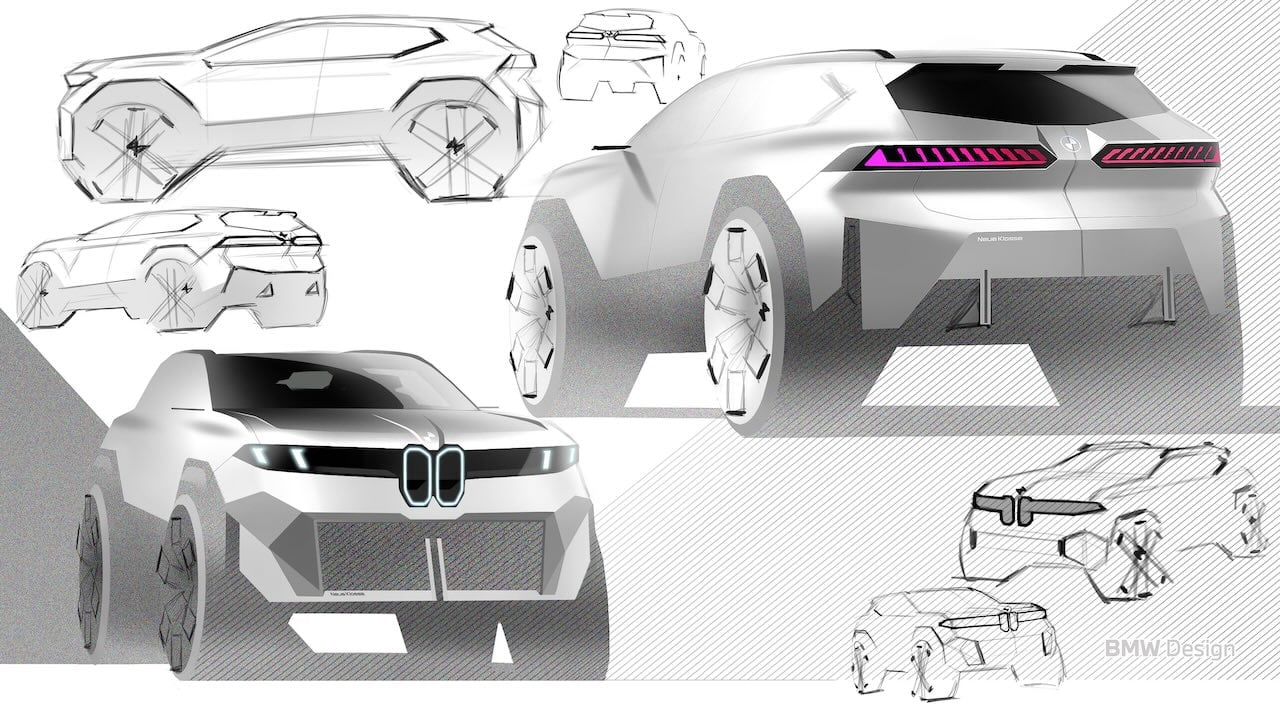
BMW’s Designworks has redefined how circular design can drive innovation in the automotive industry. With a focus on emotion over specifications, head of design Adrian van Hooydonk emphasizes a new paradigm where sustainability enhances rather than compromises the consumer experience. This shift is particularly evident in the all-electric iX3, which exemplifies how circularity can serve as a creative constraint that opens new possibilities.
Historically, circular design has been associated with trade-offs, often leading consumers to feel they are sacrificing quality for environmental benefits. Van Hooydonk’s team challenges this notion, insisting that “circular products can’t feel like a compromise.” Instead, they aim for these products to deliver enhanced experiences, integrating sustainability into the narrative architecture of design rather than treating it as a mere regulatory requirement.
Designworks and the Benefit Mindset
Leading Designworks, Julia de Bono applies what she terms a “benefit mindset.” Drawing a parallel with the success of the Impossible Burger, she argues that sustainable design should not market sacrifice but rather emphasize superior experiences. “Our role is to make the sustainable option not just equal, but superior in customer experience,” she asserts. This philosophy reshapes material selection, moving beyond simply swapping conventional plastics for recycled alternatives.
At Designworks, every material choice is assessed for its tactile experience and emotional resonance, transforming sustainability into a core aspect of brand experience. De Bono believes that true design maturity involves embedding sustainability narratives from the outset, rather than appending them as an afterthought.
Materials That Tell a Story
The application of circular thinking is evident in the iX3’s cabin, where PET-based mono-material seat covers provide comfort while simplifying recycling processes. Additionally, secondary raw materials are creatively incorporated into components like dashboards and chassis elements. BMW’s innovative approach includes designing for disassembly from the start, ensuring that materials can be efficiently separated and reused at the end of a vehicle’s life cycle.
Traditional luxury vehicles often complicate recycling efforts due to layered materials that are difficult to separate. BMW’s strategy focuses on achieving clean separation, allowing for sustainable practices that can extend the life cycle of each material. This approach challenges the conventional notion of luxury, which typically relies on an abundance of high-end materials to convey status.
Instead, BMW seeks to determine whether circular materials can carry emotional weight and narrative significance. Initial market responses indicate that consumers appreciate when sustainability is woven into their ownership experience.
Emotion as Strategy
Understanding that luxury buyers are drawn to compelling stories, BMW has positioned the circular narrative as a point of differentiation in a market where performance metrics have become increasingly similar across brands. Choosing the iX3 means embracing a design philosophy that prioritizes resource consciousness as a creative advantage.
Designworks extends this philosophy to all customer touchpoints, from the haptic feedback of controls to the animations on display screens and sound design of door closures. Each aspect reinforces the circular narrative, with material selections aimed at eliciting emotional responses as much as achieving technical performance.
De Bono encapsulates this vision as “responsible abundance,” luxury that does not rely on excess to convey value.
Performance Through a Different Lens
In the context of electric vehicles, performance often shifts from traditional measures like horsepower to spatial and experiential benefits. BMW’s circular approach allows for innovative designs that transcend the limitations of combustion engines. The skateboard platform architecture enables greater interior volume without requiring larger external dimensions, transforming the performance conversation into one about user experience and storytelling.
Regional markets have distinct interpretations of automotive strength. For instance, American consumers often equate it with physical presence, while European and Asian buyers may prioritize advanced user experiences and technology. BMW adapts its design strategies to local values, ensuring that circularity resonates across different cultures without sacrificing a consistent material philosophy.
BMW’s competitive edge lies in framing sustainability as a strategic advantage rather than a compliance cost. This aspiration extends beyond current models, with plans for circularity to inform design choices, silhouettes, and customer interactions for the next decade.
As observers of the automotive evolution note, the lesson is clear: viewing sustainability as a design opportunity rather than a burden can unlock creative solutions. By integrating advanced materials, emotional storytelling, and redefined performance, BMW leads the way in transforming resource consciousness from a barrier into a pathway for market leadership. The approach serves as a valuable case study for the industry, illustrating how sustainability and innovative design can progress hand in hand.

iShares Core Dividend Growth ETF Faces Challenges; Alternatives Suggested

Discover 7 Scenic Hikes Near Calgary to Explore This Spring

Scientists Uncover Life’s Building Blocks in Ryugu Asteroid Samples

Windsor-Essex Unveils New Action Plan to Combat Substance Use

Boost Your Business Visibility with These Local SEO Strategies

East Algoma OPP Urges Public to Limit Travel Amid Hazardous Conditions

Universities Must Rethink Failure to Support Student Growth

Canada Invests $6.4 Million to Boost Green Shipping Corridors

Stony Plain Secures 14th Consecutive Award for Financial Reporting Excellence

Rhythm Pharmaceuticals Reports Strong Q4 Growth Ahead of FDA Decision

Brandon University’s Failed $5 Million Project Sparks Oversight Review

Microsoft Confirms U.S. Law Overrules Canadian Data Sovereignty

Discover Aritzia’s Latest Fashion Trends: A Comprehensive Review

Winnipeg Celebrates Culinary Creativity During Le Burger Week 2025

New SĆIȺNEW̱ SṮEȽIṮḴEȽ Elementary Opens in Langford for 2025/2026 Year

EngineAI Unveils T800 Humanoid Robot, Setting New Industry Standards

Montreal’s Groupe Marcelle Leads Canadian Cosmetic Industry Growth

Tech Innovator Amandipp Singh Transforms Hiring for Disabled

Dragon Ball: Sparking! Zero Launching on Switch and Switch 2 This November

Digg Relaunches as Founders Kevin Rose and Alexis Ohanian Join Forces
-
 Education7 months ago
Brandon University’s Failed $5 Million Project Sparks Oversight Review
-
 Science8 months ago
Microsoft Confirms U.S. Law Overrules Canadian Data Sovereignty
-
 Lifestyle4 months ago
Discover Aritzia’s Latest Fashion Trends: A Comprehensive Review
-
 Lifestyle8 months ago
Winnipeg Celebrates Culinary Creativity During Le Burger Week 2025
-
 Education8 months ago
New SĆIȺNEW̱ SṮEȽIṮḴEȽ Elementary Opens in Langford for 2025/2026 Year
-
 Business4 months ago
EngineAI Unveils T800 Humanoid Robot, Setting New Industry Standards
-
 Health8 months ago
Montreal’s Groupe Marcelle Leads Canadian Cosmetic Industry Growth
-
 Science8 months ago
Tech Innovator Amandipp Singh Transforms Hiring for Disabled
-
 Technology8 months ago
Dragon Ball: Sparking! Zero Launching on Switch and Switch 2 This November
-
 Technology3 months ago
Digg Relaunches as Founders Kevin Rose and Alexis Ohanian Join Forces
-

 Lifestyle4 weeks ago
Canmore’s Le Fournil Bakery to Close After 14 Successful Years
-
 Top Stories4 months ago
Canadiens Eye Elias Pettersson: What It Would Cost to Acquire Him
-
 Health7 months ago
Eganville Leader to Close in 2026 After 123 Years of Reporting
-

 Education8 months ago
Red River College Launches New Programs to Address Industry Needs
-

 Top Stories4 months ago
Nicol Brothers Shine as Wheat Kings Dominate U18 AAA Hockey
-

 Business8 months ago
BNA Brewing to Open New Bowling Alley in Downtown Penticton
-

 Business7 months ago
Rocket Lab Reports Strong Q2 2025 Revenue Growth and Future Plans
-

 Lifestyle5 months ago
Edmonton’s Beloved Evolution Wonderlounge Closes, New Era Begins
-

 Education6 months ago
Alberta Petition Aims to Redirect Funds from Private to Public Schools
-

 Education8 months ago
Alberta Teachers’ Strike: Potential Impacts on Students and Families
-

 Technology6 months ago
Discord Faces Serious Security Breach Affecting Millions
-

 Technology8 months ago
Google Pixel 10 Pro Fold Specs Unveiled Ahead of Launch
-

 Business8 months ago
Iconic Golden Lion Restaurant in South Surrey to Close After 50 Years
-

 Lifestyle6 months ago
Canadian Author Secures Funding to Write Book Without Financial Strain