
Science
Wabanaki Artifacts Spark Collaboration at University of New Brunswick

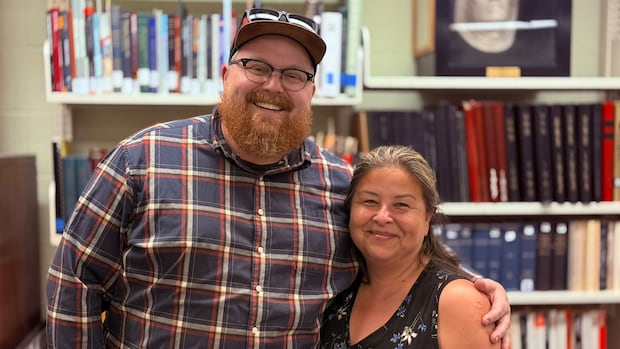
In a significant development at the University of New Brunswick (UNB), a project centered around the university’s collection of Wabanaki artifacts is fostering collaboration between academic researchers and the Wolastoqey Nation. Led by Ramona Nicholas, Wabanaki Heritage Lead at UNB, the initiative aims to study and catalog artifacts that have largely remained untouched for decades. This partnership marks a crucial step in recognizing and celebrating the Wabanaki heritage.
The artifacts in question are housed in the university’s Archives and Special Collections Department, specifically in boxes labeled as the “Bailey Indian Artifact Collection.” Although these items were collected during the late 19th and early 20th centuries, they had not been properly studied or even catalogued until recently. Until a few years ago, members of the Wolastoqey Nation were largely unaware of their existence.
In March 2023, a team of archeologists began to explore the Bailey collection as part of a separate research initiative. What they initially believed to be approximately 25 artifacts turned out to be contained within 25 boxes, prompting a significant expansion of the project’s scope. “We were like, ‘oh, wow, that’s pretty significant,'” stated Ken Holyoke, assistant professor of archeology at the University of Lethbridge and a co-lead in the project.
The collection is named after Loring Woart Bailey, a scientist and professor at UNB from 1861 to 1907, who had a keen interest in collecting artifacts from the Wolastoq area, including Maquapit Lake. However, the methods used by Bailey have drawn criticism from modern scholars. “What he did wouldn’t be what we would call archaeology today,” Holyoke explained. Bailey collected items without consent and often disrupted archeological sites, removing artifacts from their context, which is vital for understanding their historical significance.
As the archeologists began to unveil the items within the boxes, they discovered objects associated with burial practices, including beads linked to a child’s burial in the Tobique region. Recognizing the sensitivity of these findings, the team promptly reached out to the Wolastoqey Nation for guidance. “We should reach out to the Wolastoqey Nation to get guidance,” Holyoke noted, underscoring the importance of collaboration in this delicate work.
The Wolastoqey Nation had only a limited awareness of the artifacts until this project commenced. Nicholas, who had previously conducted ceremonies surrounding some of the burial beads, expressed a sense of responsibility in bringing cultural context to the artifacts. “I don’t want to say it felt good, but there was a good feeling about being able to bring some ceremony to that,” she remarked.
Following initial discussions, the archeologists and the Wolastoqey Nation organized meetings to determine the best path forward. They opened access to the collection for Wolastoqey members, held community gatherings, and involved Wolastoqey students in the research process. “This became this opportunity to be like, wow, we can tell these stories,” said Jamie Gorman, resource development consultation coordinator with Neqotkuk First Nation.
The research team has meticulously inventoried the boxes, setting aside sensitive burial materials for Wolastoqey elders and leaders to decide how to document them respectfully. Some artifacts, such as groundstone axes, date back to the Late Paleoindian Period, approximately 11,000 to 9,500 years ago, challenging previous assumptions about human activity in New Brunswick. “See, we were always here,” Nicholas stated, highlighting the deep historical roots of Indigenous communities in the region.
While the inventory work continues, initial findings provide valuable insights into ancestral life during periods that have not been well understood in the Maritimes. “This collection is significant in the sense that we can learn a lot about a very limited time frame,” said Holyoke. Among the notable discoveries is a unique small stone sculpture of a frog, which Dow described as “wholly unique” and rare in the archaeological record.
The collection, however, elicits mixed emotions among those involved. Dallas Tomah, a research assistant and member of Wotstak First Nation, expressed both admiration for the craftsmanship of his ancestors and sadness over the inaccessibility of such collections for Indigenous communities. “This is a very small fraction of what Indigenous communities don’t have access to,” he remarked, emphasizing the need for greater involvement of Indigenous peoples in the stewardship of their heritage.
Holyoke acknowledged that this project could serve as a model for more respectful and inclusive practices in archaeology, allowing Indigenous communities to make decisions about research concerning their pasts. Nicholas, Tomah, and others hope to see the collection eventually returned to the Wolastoqey Nation, viewing this as an important step toward healing and cultural reclamation.
“There have been preliminary talks toward that,” Holyoke confirmed, as discussions about how to best move forward continue. Ideas include organizing community exhibitions to showcase the artifacts. Nicholas recently led a talking circle aimed at renaming the collection, part of ongoing efforts to expand access and engagement with the artifacts.
Gorman emphasized the significance of integrating Wolastoqey voices into the project, framing it as a positive development. “This is a good news story, more than it is emblematic of injustice in the past,” he concluded, highlighting the importance of collaboration and respect in addressing historical injustices.

iShares Core Dividend Growth ETF Faces Challenges; Alternatives Suggested

Discover 7 Scenic Hikes Near Calgary to Explore This Spring

Scientists Uncover Life’s Building Blocks in Ryugu Asteroid Samples

Windsor-Essex Unveils New Action Plan to Combat Substance Use

Boost Your Business Visibility with These Local SEO Strategies

East Algoma OPP Urges Public to Limit Travel Amid Hazardous Conditions

Universities Must Rethink Failure to Support Student Growth

Canada Invests $6.4 Million to Boost Green Shipping Corridors

Stony Plain Secures 14th Consecutive Award for Financial Reporting Excellence

Rhythm Pharmaceuticals Reports Strong Q4 Growth Ahead of FDA Decision

Brandon University’s Failed $5 Million Project Sparks Oversight Review

Microsoft Confirms U.S. Law Overrules Canadian Data Sovereignty

Winnipeg Celebrates Culinary Creativity During Le Burger Week 2025

Discover Aritzia’s Latest Fashion Trends: A Comprehensive Review

New SĆIȺNEW̱ SṮEȽIṮḴEȽ Elementary Opens in Langford for 2025/2026 Year

EngineAI Unveils T800 Humanoid Robot, Setting New Industry Standards

Montreal’s Groupe Marcelle Leads Canadian Cosmetic Industry Growth

Tech Innovator Amandipp Singh Transforms Hiring for Disabled

Dragon Ball: Sparking! Zero Launching on Switch and Switch 2 This November

Digg Relaunches as Founders Kevin Rose and Alexis Ohanian Join Forces
-
 Education7 months ago
Brandon University’s Failed $5 Million Project Sparks Oversight Review
-
 Science8 months ago
Microsoft Confirms U.S. Law Overrules Canadian Data Sovereignty
-
 Lifestyle7 months ago
Winnipeg Celebrates Culinary Creativity During Le Burger Week 2025
-
 Lifestyle3 months ago
Discover Aritzia’s Latest Fashion Trends: A Comprehensive Review
-
 Education7 months ago
New SĆIȺNEW̱ SṮEȽIṮḴEȽ Elementary Opens in Langford for 2025/2026 Year
-
 Business4 months ago
EngineAI Unveils T800 Humanoid Robot, Setting New Industry Standards
-
 Health8 months ago
Montreal’s Groupe Marcelle Leads Canadian Cosmetic Industry Growth
-
 Science8 months ago
Tech Innovator Amandipp Singh Transforms Hiring for Disabled
-
 Technology8 months ago
Dragon Ball: Sparking! Zero Launching on Switch and Switch 2 This November
-
 Technology3 months ago
Digg Relaunches as Founders Kevin Rose and Alexis Ohanian Join Forces
-
 Top Stories4 months ago
Canadiens Eye Elias Pettersson: What It Would Cost to Acquire Him
-

 Lifestyle3 weeks ago
Canmore’s Le Fournil Bakery to Close After 14 Successful Years
-

 Health6 months ago
Eganville Leader to Close in 2026 After 123 Years of Reporting
-

 Education8 months ago
Red River College Launches New Programs to Address Industry Needs
-

 Top Stories4 months ago
Nicol Brothers Shine as Wheat Kings Dominate U18 AAA Hockey
-

 Business7 months ago
Rocket Lab Reports Strong Q2 2025 Revenue Growth and Future Plans
-

 Business8 months ago
BNA Brewing to Open New Bowling Alley in Downtown Penticton
-

 Education6 months ago
Alberta Petition Aims to Redirect Funds from Private to Public Schools
-

 Education8 months ago
Alberta Teachers’ Strike: Potential Impacts on Students and Families
-

 Technology6 months ago
Discord Faces Serious Security Breach Affecting Millions
-

 Technology8 months ago
Google Pixel 10 Pro Fold Specs Unveiled Ahead of Launch
-

 Lifestyle5 months ago
Edmonton’s Beloved Evolution Wonderlounge Closes, New Era Begins
-

 Business7 months ago
Iconic Golden Lion Restaurant in South Surrey to Close After 50 Years
-

 Science8 months ago
China’s Wukong Spacesuit Sets New Standard for AI in Space