
Science
Bulgarian Mechanic Confronts Propaganda Misidentification

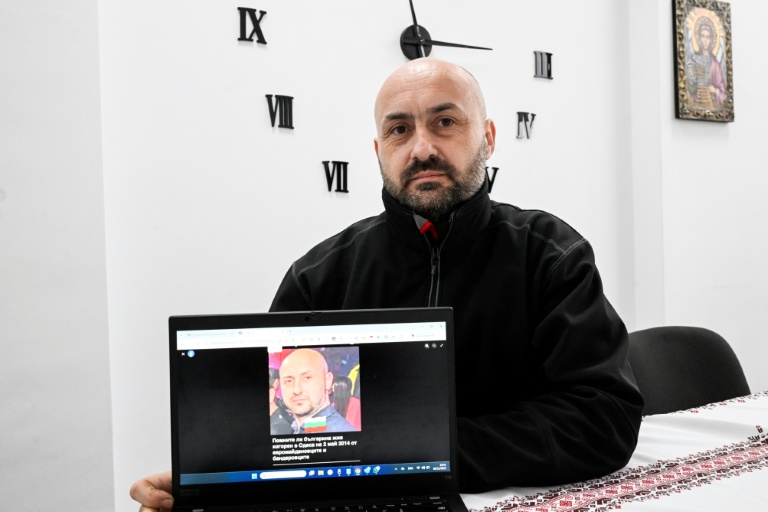
For nearly a decade, Bulgarian mechanic Nikolay Gentchev has been confronting a bizarre narrative surrounding his identity. Pro-Russian websites have repeatedly published his photo, falsely claiming he was killed by a mob in Odesa, Ukraine, after protests ousted a pro-Kremlin leader in 2014. “When they published my photo for the first time, my friends called me to ask if I was alive,” the 42-year-old from Kazanlak stated. Despite his assertions that he has never visited Odesa or Ukraine, this misinformation continues to spread, influencing perceptions of Bulgarians in the region.
The false story emerged following real violence in Odesa in May 2014, when clashes between pro-Russian and pro-Ukrainian activists resulted in over 40 deaths, primarily from a fire at the Trade Unions House. This incident has been manipulated to frame Ukrainians as adversaries of Bulgarians, according to Nikola Tulechki, a disinformation expert at the data analysis firm Data for Good. He noted that the ongoing narrative is part of a broader Russian effort to depict Ukrainians as aligned with fascism.
Disinformation’s Enduring Impact
The narrative surrounding Gentchev resurfaced again in late November 2023, with a Facebook post claiming: “Do you remember the Bulgarian burned alive in Odesa on May 2, 2014 by people from Euromaidan and the Banderites?” This reference to Ukraine’s 2014 protest movement and the controversial nationalist figure Stepan Bandera reflects the pervasive impact of Russian propaganda in Bulgaria. The country, once a staunch ally of the Soviet Union, remains susceptible to narratives that exploit historical ties and cultural proximity to Russia.
Despite being a target of misinformation, Gentchev has shared pro-Kremlin views on social media, often criticizing European politicians. “It was really tough,” he remarked regarding the emotional toll of being misidentified. On January 1, 2024, Bulgaria adopted the euro, a move Gentchev described as “absurd,” expressing skepticism about the benefits of EU membership.
Gentchev’s views highlight a complex relationship with the ongoing conflict in Ukraine. He downplayed the human toll of the war, stating, “I don’t know, I wasn’t there, I didn’t see anything. You can’t trust journalists.” This sentiment reveals a broader issue in Bulgarian society, where trust in media is low, and Russian narratives have found fertile ground.
The Role of Russian Influence
The influence of Russian propaganda extends beyond social media into political discourse and education in Bulgaria, where it is echoed by politicians and public figures. Tulechki pointed out that this disinformation campaign aims to foster distrust towards the West, complicating Bulgaria’s position as a NATO and EU member.
Despite the challenges posed by misinformation, Gentchev maintains a large social media presence, with 5,000 followers. His posts often reflect anti-European sentiment and a belief that Bulgaria’s arms industry, primarily supplying the Ukrainian military, is necessary for national security. “If it’s not us producing these weapons, someone else will,” he explained, underscoring the complex dynamics of the arms trade amid ongoing conflict.
The situation of Nikolay Gentchev serves as a striking example of how disinformation can shape personal narratives and public perception, illustrating the broader implications of propaganda in the context of international relations and national identity. As misinformation continues to circulate, the challenge remains for individuals and societies to discern fact from fiction in an increasingly complex media landscape.

iShares Core Dividend Growth ETF Faces Challenges; Alternatives Suggested

Discover 7 Scenic Hikes Near Calgary to Explore This Spring

Scientists Uncover Life’s Building Blocks in Ryugu Asteroid Samples

Windsor-Essex Unveils New Action Plan to Combat Substance Use

Boost Your Business Visibility with These Local SEO Strategies

East Algoma OPP Urges Public to Limit Travel Amid Hazardous Conditions

Universities Must Rethink Failure to Support Student Growth

Canada Invests $6.4 Million to Boost Green Shipping Corridors

Stony Plain Secures 14th Consecutive Award for Financial Reporting Excellence

Rhythm Pharmaceuticals Reports Strong Q4 Growth Ahead of FDA Decision

Brandon University’s Failed $5 Million Project Sparks Oversight Review

Microsoft Confirms U.S. Law Overrules Canadian Data Sovereignty

Winnipeg Celebrates Culinary Creativity During Le Burger Week 2025

New SĆIȺNEW̱ SṮEȽIṮḴEȽ Elementary Opens in Langford for 2025/2026 Year

EngineAI Unveils T800 Humanoid Robot, Setting New Industry Standards

Montreal’s Groupe Marcelle Leads Canadian Cosmetic Industry Growth

Discover Aritzia’s Latest Fashion Trends: A Comprehensive Review

Tech Innovator Amandipp Singh Transforms Hiring for Disabled

Dragon Ball: Sparking! Zero Launching on Switch and Switch 2 This November

Digg Relaunches as Founders Kevin Rose and Alexis Ohanian Join Forces
-
 Education7 months ago
Brandon University’s Failed $5 Million Project Sparks Oversight Review
-
 Science8 months ago
Microsoft Confirms U.S. Law Overrules Canadian Data Sovereignty
-
 Lifestyle7 months ago
Winnipeg Celebrates Culinary Creativity During Le Burger Week 2025
-
 Education7 months ago
New SĆIȺNEW̱ SṮEȽIṮḴEȽ Elementary Opens in Langford for 2025/2026 Year
-
 Business4 months ago
EngineAI Unveils T800 Humanoid Robot, Setting New Industry Standards
-
 Health8 months ago
Montreal’s Groupe Marcelle Leads Canadian Cosmetic Industry Growth
-
 Lifestyle3 months ago
Discover Aritzia’s Latest Fashion Trends: A Comprehensive Review
-
 Science8 months ago
Tech Innovator Amandipp Singh Transforms Hiring for Disabled
-
 Technology8 months ago
Dragon Ball: Sparking! Zero Launching on Switch and Switch 2 This November
-
 Technology3 months ago
Digg Relaunches as Founders Kevin Rose and Alexis Ohanian Join Forces
-
 Top Stories4 months ago
Canadiens Eye Elias Pettersson: What It Would Cost to Acquire Him
-

 Health6 months ago
Eganville Leader to Close in 2026 After 123 Years of Reporting
-

 Lifestyle3 weeks ago
Canmore’s Le Fournil Bakery to Close After 14 Successful Years
-

 Education7 months ago
Red River College Launches New Programs to Address Industry Needs
-

 Top Stories4 months ago
Nicol Brothers Shine as Wheat Kings Dominate U18 AAA Hockey
-

 Business7 months ago
Rocket Lab Reports Strong Q2 2025 Revenue Growth and Future Plans
-

 Business7 months ago
BNA Brewing to Open New Bowling Alley in Downtown Penticton
-

 Education5 months ago
Alberta Petition Aims to Redirect Funds from Private to Public Schools
-

 Technology6 months ago
Discord Faces Serious Security Breach Affecting Millions
-

 Technology8 months ago
Google Pixel 10 Pro Fold Specs Unveiled Ahead of Launch
-

 Education7 months ago
Alberta Teachers’ Strike: Potential Impacts on Students and Families
-

 Lifestyle5 months ago
Edmonton’s Beloved Evolution Wonderlounge Closes, New Era Begins
-

 Business7 months ago
Iconic Golden Lion Restaurant in South Surrey to Close After 50 Years
-

 Science8 months ago
China’s Wukong Spacesuit Sets New Standard for AI in Space