
Education
N.W.T. Education System Faces Challenges Without Teacher Training Program

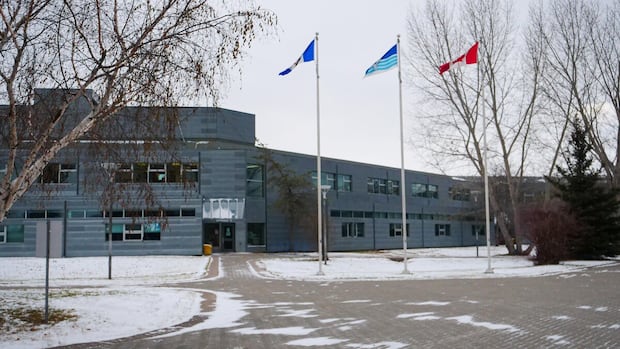
The suspension of the teacher training program at Aurora College in 2017 continues to impact the education system in the Northwest Territories (N.W.T.) significantly. As of 2025, the territory stands as the only jurisdiction in Canada without a dedicated teacher training program. This gap has raised concerns about the availability of qualified educators, particularly among northern Indigenous communities.
Joni Tsatchia, a graduate of the program and a teacher for three years, emphasizes the personal and community benefits she experienced while studying locally. “I didn’t have to leave down south with my kids and leave my support system,” Tsatchia stated. She noted that being close to her family and cultural roots was invaluable during her training. The program allowed her to connect with students who share similar backgrounds, fostering understanding and relatability.
The abrupt end of the program took many by surprise, including Valentina de Krom, who became the head of the program just days before its suspension. At the time, budget constraints and low enrollment were cited as reasons for the program’s closure. Despite these claims, the decision faced significant backlash from the community and educational stakeholders.
In a review conducted in 2021, recommendations were made to enhance support for graduates and improve their employment prospects. De Krom highlighted the program’s flexibility, which enabled individuals with family or job obligations to pursue education without relocating. “You have teachers that are hired locally who understand the culture, understand the people, understand the children,” she commented.
The suspension of the program has created a notable socioeconomic impact. According to de Krom, hiring teachers from outside the region incurs higher costs and often leads to a disconnect between educators and the communities they serve. The lack of locally trained teachers limits opportunities for Indigenous individuals, who are crucial for providing culturally relevant education.
In an email, Souhail Soujah, superintendent of the South Slave Divisional Education Council (SSDEC), stated that the number of new northern Indigenous teachers has decreased since the program’s closure. “Indigenous people are well represented in support staff positions, but are significantly lacking in teaching positions,” he noted. The SSDEC is actively involved in discussions about the potential reinstatement of the teacher training program.
In the absence of the Aurora College program, educational institutions in the N.W.T. have implemented various initiatives to increase Indigenous representation in classrooms. Graham Arts, assistant superintendent for curriculum and learning at Yellowknife Education District No. 1, expressed the need for a teacher education program based in the North. He stated, “If we could have more people who are from the North, trained in the North, it could only be a plus for everyone.”
Despite the challenges, efforts continue to address the gap left by the program’s closure. While the exact figures regarding northern Indigenous teaching hires since the program ended remain unclear, data from the Department of Education, Culture and Employment (ECE) indicates there are currently 96 self-identified northern Indigenous educators with valid teaching certificates. This number has increased from 72 in 2020.
Moving forward, there is hope for the program’s revival. An email from Dr. Angela James, president of Aurora College, indicated plans to renew the teacher training program by 2027, contingent upon securing adequate funding.
The ongoing conversation about Indigenous representation in education highlights the importance of culturally relevant training and support systems. As the N.W.T. navigates these challenges, the demand for an inclusive and effective education framework remains critical for the region’s future.

iShares Core Dividend Growth ETF Faces Challenges; Alternatives Suggested

Discover 7 Scenic Hikes Near Calgary to Explore This Spring

Scientists Uncover Life’s Building Blocks in Ryugu Asteroid Samples

Windsor-Essex Unveils New Action Plan to Combat Substance Use

Boost Your Business Visibility with These Local SEO Strategies

East Algoma OPP Urges Public to Limit Travel Amid Hazardous Conditions

Universities Must Rethink Failure to Support Student Growth

Canada Invests $6.4 Million to Boost Green Shipping Corridors

Stony Plain Secures 14th Consecutive Award for Financial Reporting Excellence

Rhythm Pharmaceuticals Reports Strong Q4 Growth Ahead of FDA Decision

Brandon University’s Failed $5 Million Project Sparks Oversight Review

Microsoft Confirms U.S. Law Overrules Canadian Data Sovereignty

Winnipeg Celebrates Culinary Creativity During Le Burger Week 2025

Discover Aritzia’s Latest Fashion Trends: A Comprehensive Review

New SĆIȺNEW̱ SṮEȽIṮḴEȽ Elementary Opens in Langford for 2025/2026 Year

EngineAI Unveils T800 Humanoid Robot, Setting New Industry Standards

Montreal’s Groupe Marcelle Leads Canadian Cosmetic Industry Growth

Tech Innovator Amandipp Singh Transforms Hiring for Disabled

Dragon Ball: Sparking! Zero Launching on Switch and Switch 2 This November

Digg Relaunches as Founders Kevin Rose and Alexis Ohanian Join Forces
-
 Education7 months ago
Brandon University’s Failed $5 Million Project Sparks Oversight Review
-
 Science8 months ago
Microsoft Confirms U.S. Law Overrules Canadian Data Sovereignty
-
 Lifestyle7 months ago
Winnipeg Celebrates Culinary Creativity During Le Burger Week 2025
-
 Lifestyle4 months ago
Discover Aritzia’s Latest Fashion Trends: A Comprehensive Review
-
 Education8 months ago
New SĆIȺNEW̱ SṮEȽIṮḴEȽ Elementary Opens in Langford for 2025/2026 Year
-
 Business4 months ago
EngineAI Unveils T800 Humanoid Robot, Setting New Industry Standards
-
 Health8 months ago
Montreal’s Groupe Marcelle Leads Canadian Cosmetic Industry Growth
-
 Science8 months ago
Tech Innovator Amandipp Singh Transforms Hiring for Disabled
-
 Technology8 months ago
Dragon Ball: Sparking! Zero Launching on Switch and Switch 2 This November
-
 Technology3 months ago
Digg Relaunches as Founders Kevin Rose and Alexis Ohanian Join Forces
-

 Lifestyle4 weeks ago
Canmore’s Le Fournil Bakery to Close After 14 Successful Years
-
 Top Stories4 months ago
Canadiens Eye Elias Pettersson: What It Would Cost to Acquire Him
-

 Health7 months ago
Eganville Leader to Close in 2026 After 123 Years of Reporting
-

 Education8 months ago
Red River College Launches New Programs to Address Industry Needs
-

 Top Stories4 months ago
Nicol Brothers Shine as Wheat Kings Dominate U18 AAA Hockey
-

 Business8 months ago
BNA Brewing to Open New Bowling Alley in Downtown Penticton
-

 Business7 months ago
Rocket Lab Reports Strong Q2 2025 Revenue Growth and Future Plans
-

 Education6 months ago
Alberta Petition Aims to Redirect Funds from Private to Public Schools
-

 Lifestyle5 months ago
Edmonton’s Beloved Evolution Wonderlounge Closes, New Era Begins
-

 Education8 months ago
Alberta Teachers’ Strike: Potential Impacts on Students and Families
-

 Technology6 months ago
Discord Faces Serious Security Breach Affecting Millions
-

 Technology8 months ago
Google Pixel 10 Pro Fold Specs Unveiled Ahead of Launch
-

 Business7 months ago
Iconic Golden Lion Restaurant in South Surrey to Close After 50 Years
-

 Science8 months ago
China’s Wukong Spacesuit Sets New Standard for AI in Space