
Top Stories
Economists Assess Brexit’s Long-Term Economic Toll on UK

Recent analyses by economists reveal that the long-term economic impact of Brexit on the United Kingdom may be significantly worse than previously estimated. While initial fears of a mass exodus of companies from London did not materialize, new data suggests that the economic damage could exceed £200 billion (approximately $267 billion), a figure that far surpasses earlier forecasts.
Reevaluating Economic Predictions
Research published by the National Bureau of Economic Research indicates that the UK’s official forecasts underestimated the potential long-term decrease in gross domestic product (GDP) due to Brexit by as much as half. Economists, including Nicholas Bloom, Philip Bunn, and Paul Mizen, argue that instead of the anticipated 4% reduction in GDP, the impact could be as high as 8%.
Another study by John Springford of the Centre for European Reform draws a similar conclusion, suggesting that had Brexit not occurred, the UK could have experienced growth rates more comparable to those of the United States rather than trailing behind France and Germany.
Keir Starmer, the leader of the Labour Party, emphasized the need to confront the realities of Brexit’s economic consequences. He stated that the “botched Brexit deal significantly hurt our economy,” marking a notable shift in the party’s approach to a topic that has long been contentious among its voter base.
Political Repercussions and Economic Uncertainty
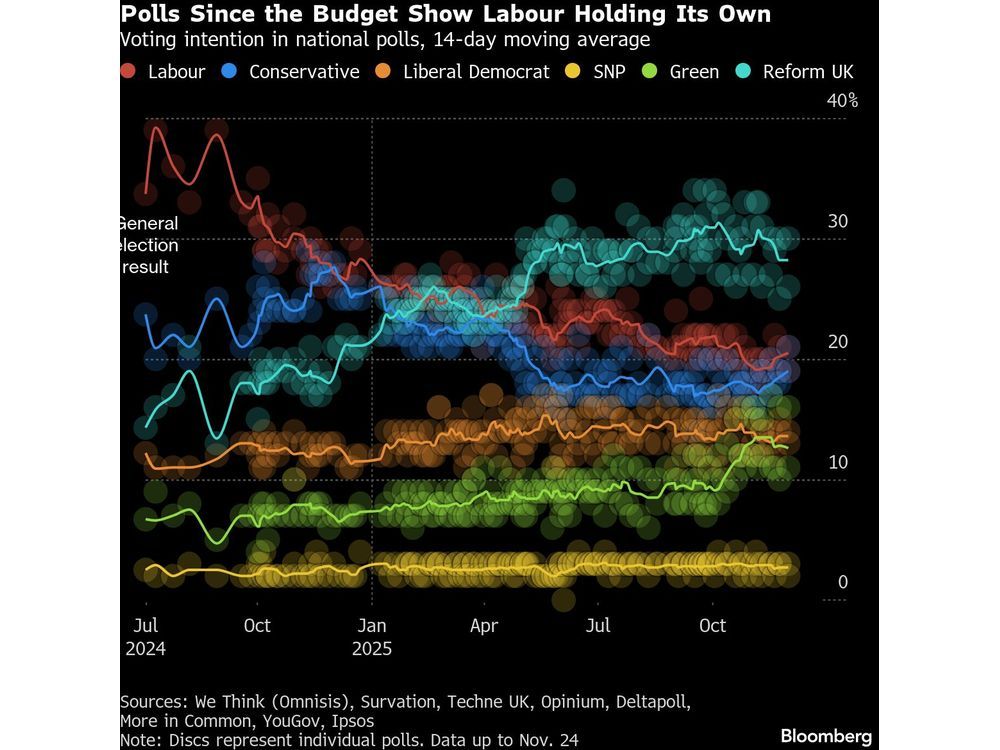
As Labour re-evaluates its stance, the party faces pressure from the resurgent political landscape, especially from the party led by Nigel Farage. With Farage’s party gaining traction in national polls, Labour hopes to strengthen its position by addressing Brexit’s economic fallout more openly.
In conjunction with Starmer’s comments, Rachel Reeves, the Chancellor, has linked Brexit to low productivity, while cabinet member Wes Streeting acknowledged the need to recognize Brexit as a significant problem. Labour is also facing challenges from the Liberal Democrats, who advocate for closer ties with the European Union and are pushing for a new customs union.
Economists highlight that Brexit’s effects extend beyond immediate impacts. According to Mizen, the UK has experienced a prolonged period of uncertainty, which has adversely affected business investment and hiring decisions, as firms have had to divert resources to prepare for new trade regulations.
In assessing the potential scenarios had Brexit not taken place, economists found that the UK’s growth trajectory would have mirrored that of economies like the US rather than the underperformance seen among European peers. The Office for Budget Responsibility had previously predicted a 15% decline in trade over 15 years due to Brexit, but recent data paints a more complex picture.
Notably, while the largest UK corporations have not seen significant declines in their exports to the EU, smaller businesses have faced considerable challenges. Research indicates that the smallest firms experienced a staggering 30% drop in exports, contributing to an overall 6.4% reduction in UK exports worldwide and a 3.1% decrease in imports.
The findings suggest that while larger firms may adapt by continuing to trade at higher costs, smaller businesses are less likely to engage in export activities, contributing to slower economic recovery. As Stephen Millard from the UK’s National Institute of Economic and Social Research pointed out, the ongoing uncertainty has made investment decisions difficult.
As the UK grapples with these challenges, the political landscape is evolving. Labour’s willingness to address the economic implications of Brexit may reshape its strategies as the next election approaches. The data from both the National Bureau of Economic Research and the Centre for European Reform will likely play a crucial role in informing Labour’s policies and public messaging moving forward.

Manitoba Premier Celebrates Session Amid Growing Concerns

Fatal Collision Shuts Down Highway 400 at Major Mackenzie Drive

Paragon of Play Launches New Enrichment Hub in Quinte West

Canadian Taxpayers Federation Proposes Changes for Manitoba Budget

Transforming Smiles: Dr. Ken Hamin’s Innovative Dental Care

Prehabilitation Proves Vital for Older Patients’ Surgical Recovery

Amazon Delays Kindle Scribe Colorsoft Fig Launch to 2026

St. John’s Pet Food Bank Seeks Urgent Donations to Meet Demand

Camosun College Appoints Richard Stride as New Provost

DigitalOcean Upgraded to Buy as AI Strategy Drives Growth

Brandon University’s Failed $5 Million Project Sparks Oversight Review

Microsoft Confirms U.S. Law Overrules Canadian Data Sovereignty

Winnipeg Celebrates Culinary Creativity During Le Burger Week 2025

Montreal’s Groupe Marcelle Leads Canadian Cosmetic Industry Growth

Tech Innovator Amandipp Singh Transforms Hiring for Disabled

Dragon Ball: Sparking! Zero Launching on Switch and Switch 2 This November

Red River College Launches New Programs to Address Industry Needs

Google Pixel 10 Pro Fold Specs Unveiled Ahead of Launch

Rocket Lab Reports Strong Q2 2025 Revenue Growth and Future Plans

Discord Faces Serious Security Breach Affecting Millions
-
 Education3 months ago
Brandon University’s Failed $5 Million Project Sparks Oversight Review
-
 Science4 months ago
Microsoft Confirms U.S. Law Overrules Canadian Data Sovereignty
-
 Lifestyle3 months ago
Winnipeg Celebrates Culinary Creativity During Le Burger Week 2025
-
 Health4 months ago
Montreal’s Groupe Marcelle Leads Canadian Cosmetic Industry Growth
-
 Science4 months ago
Tech Innovator Amandipp Singh Transforms Hiring for Disabled
-
 Technology4 months ago
Dragon Ball: Sparking! Zero Launching on Switch and Switch 2 This November
-
 Education4 months ago
Red River College Launches New Programs to Address Industry Needs
-
 Technology4 months ago
Google Pixel 10 Pro Fold Specs Unveiled Ahead of Launch
-
 Business3 months ago
Rocket Lab Reports Strong Q2 2025 Revenue Growth and Future Plans
-
 Technology2 months ago
Discord Faces Serious Security Breach Affecting Millions
-

 Education4 months ago
Alberta Teachers’ Strike: Potential Impacts on Students and Families
-

 Science4 months ago
China’s Wukong Spacesuit Sets New Standard for AI in Space
-

 Education3 months ago
New SĆIȺNEW̱ SṮEȽIṮḴEȽ Elementary Opens in Langford for 2025/2026 Year
-

 Technology4 months ago
World of Warcraft Players Buzz Over 19-Quest Bee Challenge
-

 Business4 months ago
New Estimates Reveal ChatGPT-5 Energy Use Could Soar
-

 Business4 months ago
Dawson City Residents Rally Around Buy Canadian Movement
-

 Business4 months ago
BNA Brewing to Open New Bowling Alley in Downtown Penticton
-

 Technology2 months ago
Huawei MatePad 12X Redefines Tablet Experience for Professionals
-

 Technology4 months ago
Future Entertainment Launches DDoD with Gameplay Trailer Showcase
-

 Technology4 months ago
Global Launch of Ragnarok M: Classic Set for September 3, 2025
-

 Technology4 months ago
Innovative 140W GaN Travel Adapter Combines Power and Convenience
-

 Top Stories3 months ago
Blue Jays Shift José Berríos to Bullpen Ahead of Playoffs
-

 Science4 months ago
Xi Labs Innovates with New AI Operating System Set for 2025 Launch
-

 Technology4 months ago
New IDR01 Smart Ring Offers Advanced Sports Tracking for $169