
Science
AI Distorts Body Image Standards for Athletes and Beyond

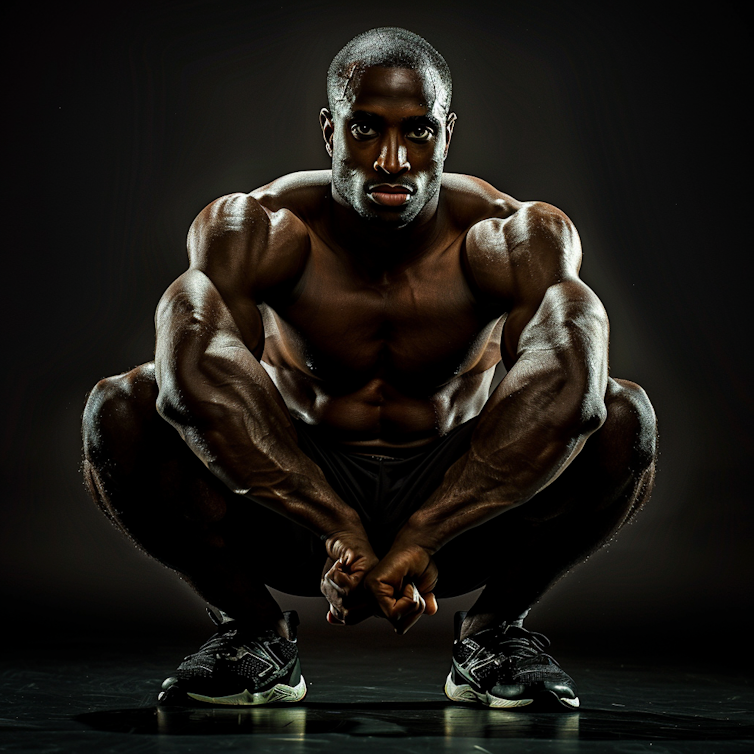
A recent study by researchers at the University of Toronto has revealed that artificial intelligence (AI) is perpetuating unrealistic body ideals, particularly for athletes. The study analyzed the appearance-related traits of AI-generated images, uncovering a troubling trend of exaggerated body standards that can lead to negative perceptions of self-image and mental health issues.
The pressures surrounding athletic bodies have long existed, where athletes are often expected to conform to ideals of being thin, muscular, and attractive. Influences from coaches, media, and spectators contribute to this narrow view of what constitutes an “athletic body.” The new findings indicate that AI-generated representations amplify these pressures, depicting athletes in a way that is often disconnected from reality.
Unpacking the Study’s Findings
Researchers generated 300 images using various AI platforms, including DALL-E, MidJourney, and Stable Diffusion, to analyze how male and female athletes and non-athletes are portrayed. The study documented factors such as demographics, body fat, muscularity, clothing fit, and facial attractiveness. Notably, the results showed that male images were predominantly young (93.3 percent), lean (68.4 percent), and muscular (54.2 percent). Conversely, female images depicted youth (100 percent), thinness (87.5 percent), and revealing clothing (87.5 percent).
The images of athletes were particularly striking, with 98.4 percent depicted as lean and 93.4 percent as muscular, often dressed in tight and revealing exercise gear. In contrast, non-athletes were shown in looser clothing, reflecting a more diverse range of body sizes. Alarmingly, 90 percent of the images generated when simply requesting “an athlete” featured males, and none included visible disabilities, larger bodies, or signs of aging.
These findings demonstrate that generative AI reinforces a narrow and stereotypical view of athletes, limiting representation to a select set of traits that exclude many individuals.
The Broader Implications of AI’s Influence
The implications of these findings are significant. With over 4.6 billion people using social media, and 71 percent of social media images generated by AI, there is a widespread exposure to these distorted ideals. Such exposure can lead to self-objectification and the internalization of unrealistic body images, prompting individuals to engage in unhealthy behaviors like extreme dieting or excessive exercise. Additionally, it can discourage participation in sports altogether.
Negative body image not only affects youth’s academic performance but also detrimentally impacts their ability to perform in sports. While staying active generally promotes better body image, negative perceptions can lead to dropout rates and avoidance of physical activity.
The exclusion of individuals with disabilities in AI-generated images is particularly concerning, given that approximately 27 percent of Canadians over the age of 15 have at least one disability. The absence of diverse body types, including those with body fat, wrinkles, or baldness, highlights a significant gap in representation.
The study emphasizes that AI does not create new representations but rather recycles existing biases from society. Consequently, it perpetuates a lack of diversity and reinforces unattainable ideals, which can lead to feelings of loneliness and dissatisfaction with one’s body.
Researchers assert that society, as the original creators of the visual content that trains AI systems, bears the responsibility to prevent the perpetuation of ableism, racism, fatphobia, and ageism. Users of generative AI should be intentional in crafting image prompts and critical of the images produced.
As AI continues to shape the media landscape, there is an urgent need to challenge the body standards being normalized. If society desires AI to reflect reality, it must advocate for the inclusion and appreciation of all body types. Only by doing so can we hope to foster a healthier perception of body image in the digital age, ultimately leading to improved mental well-being across diverse populations.

Nova Scotia Entrepreneur Brings Authentic Mauritian Flavors to Life

Saint John City Market Gears Up for 150th Anniversary Celebration

Afghan Community in Saskatoon Urges Ottawa to Expedite Immigration

AI Emerges as Major Cybersecurity Threat Ahead of 2026

Ontario Invests $25,000 in Windsor Mental Health Police Teams

Evercore Raises Apple Price Target to $325, Driven by AI Expectations

Community Mourns the Loss of Beloved Joyce Lois Booth

Students Confront Six-Hour Challenge at Putnam Math Competition

Hartford High Yield Fund Surpasses Index Amid Economic Challenges

Community Mourns the Passing of Joyce Lois Booth, 98

Brandon University’s Failed $5 Million Project Sparks Oversight Review

Microsoft Confirms U.S. Law Overrules Canadian Data Sovereignty

Winnipeg Celebrates Culinary Creativity During Le Burger Week 2025

Montreal’s Groupe Marcelle Leads Canadian Cosmetic Industry Growth

Tech Innovator Amandipp Singh Transforms Hiring for Disabled

Dragon Ball: Sparking! Zero Launching on Switch and Switch 2 This November

Red River College Launches New Programs to Address Industry Needs

Google Pixel 10 Pro Fold Specs Unveiled Ahead of Launch

Rocket Lab Reports Strong Q2 2025 Revenue Growth and Future Plans

Discord Faces Serious Security Breach Affecting Millions
-
 Education3 months ago
Brandon University’s Failed $5 Million Project Sparks Oversight Review
-
 Science4 months ago
Microsoft Confirms U.S. Law Overrules Canadian Data Sovereignty
-
 Lifestyle3 months ago
Winnipeg Celebrates Culinary Creativity During Le Burger Week 2025
-
 Health4 months ago
Montreal’s Groupe Marcelle Leads Canadian Cosmetic Industry Growth
-
 Science4 months ago
Tech Innovator Amandipp Singh Transforms Hiring for Disabled
-
 Technology4 months ago
Dragon Ball: Sparking! Zero Launching on Switch and Switch 2 This November
-
 Education4 months ago
Red River College Launches New Programs to Address Industry Needs
-
 Technology4 months ago
Google Pixel 10 Pro Fold Specs Unveiled Ahead of Launch
-
 Business3 months ago
Rocket Lab Reports Strong Q2 2025 Revenue Growth and Future Plans
-
 Technology2 months ago
Discord Faces Serious Security Breach Affecting Millions
-

 Education4 months ago
Alberta Teachers’ Strike: Potential Impacts on Students and Families
-

 Education3 months ago
New SĆIȺNEW̱ SṮEȽIṮḴEȽ Elementary Opens in Langford for 2025/2026 Year
-

 Science4 months ago
China’s Wukong Spacesuit Sets New Standard for AI in Space
-

 Technology4 months ago
World of Warcraft Players Buzz Over 19-Quest Bee Challenge
-

 Business4 months ago
New Estimates Reveal ChatGPT-5 Energy Use Could Soar
-

 Business4 months ago
BNA Brewing to Open New Bowling Alley in Downtown Penticton
-

 Business4 months ago
Dawson City Residents Rally Around Buy Canadian Movement
-

 Technology4 months ago
Future Entertainment Launches DDoD with Gameplay Trailer Showcase
-

 Technology2 months ago
Huawei MatePad 12X Redefines Tablet Experience for Professionals
-

 Technology4 months ago
Global Launch of Ragnarok M: Classic Set for September 3, 2025
-

 Technology4 months ago
Innovative 140W GaN Travel Adapter Combines Power and Convenience
-

 Top Stories3 months ago
Blue Jays Shift José Berríos to Bullpen Ahead of Playoffs
-

 Science4 months ago
Xi Labs Innovates with New AI Operating System Set for 2025 Launch
-

 Technology4 months ago
New IDR01 Smart Ring Offers Advanced Sports Tracking for $169